
Last updated October 30, 2026
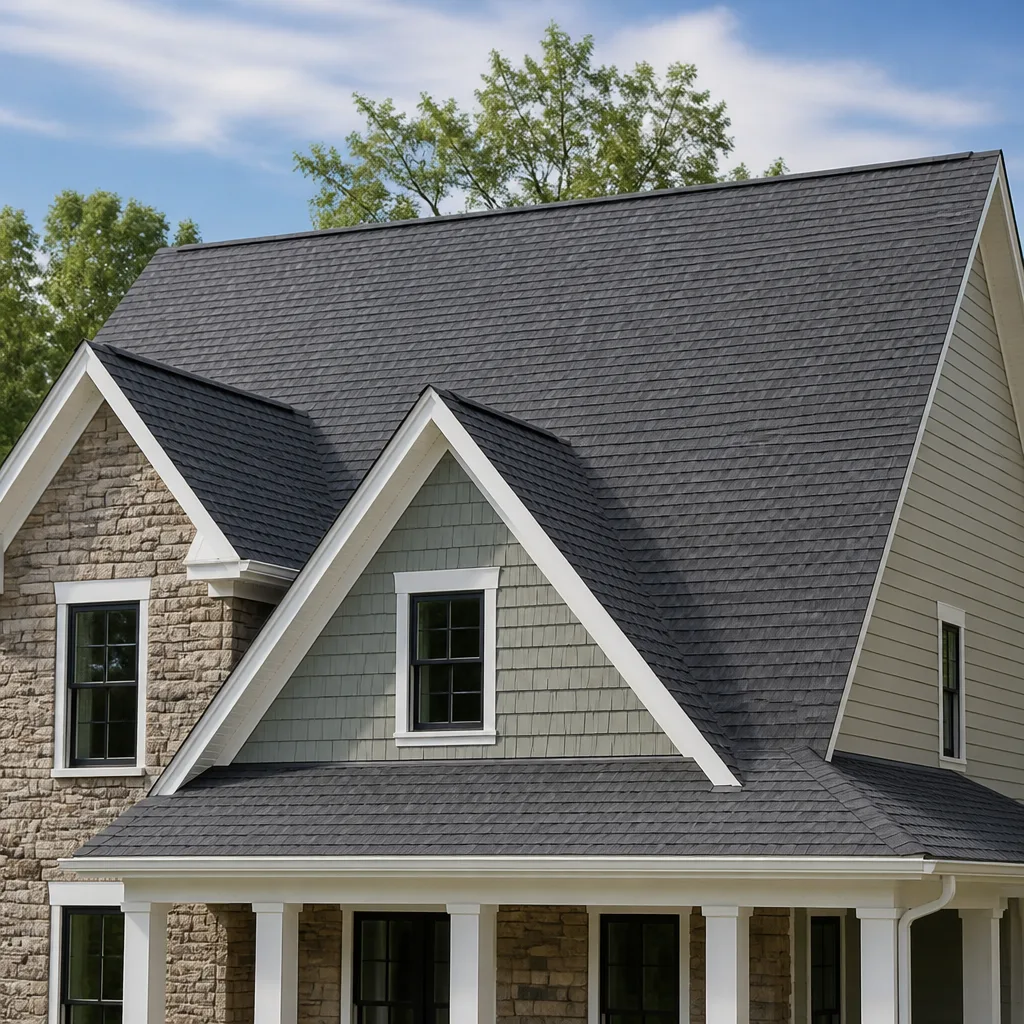 Architectural shingles
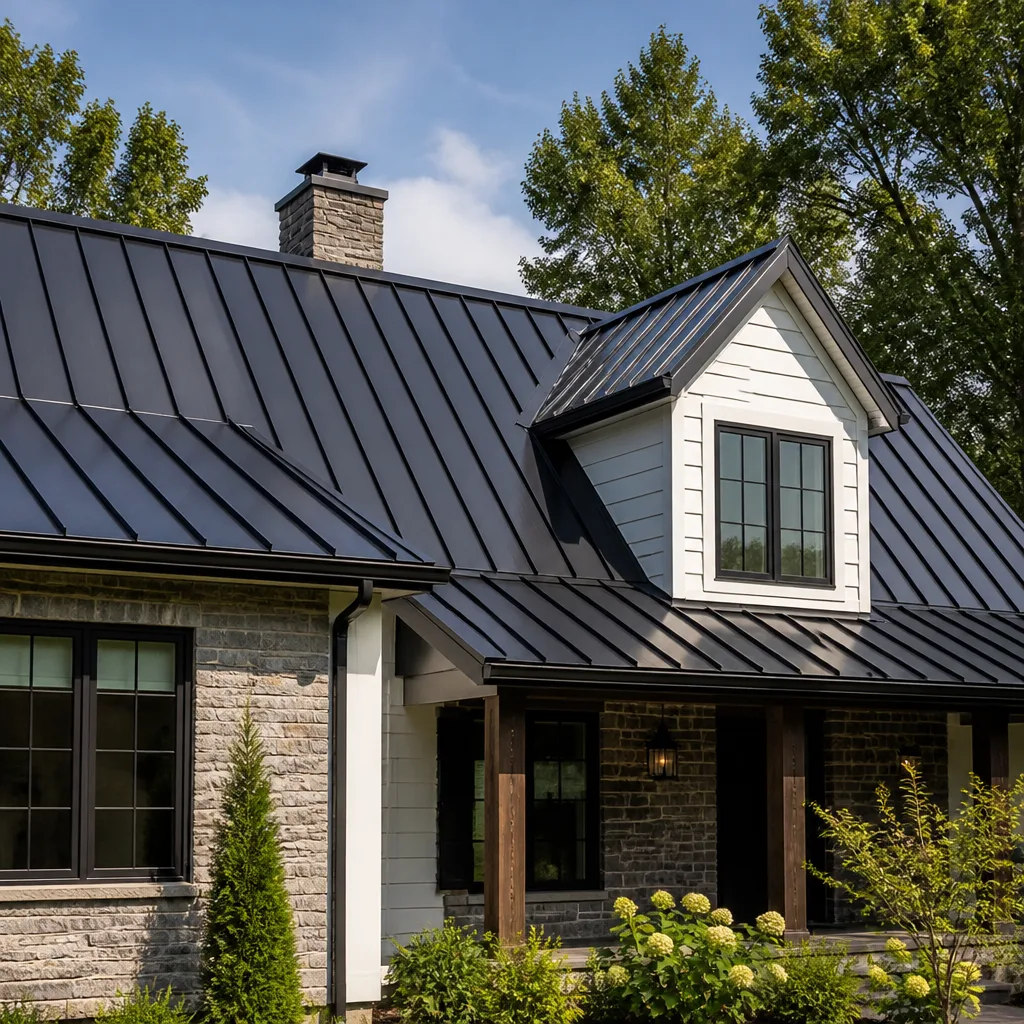 Metal roofing
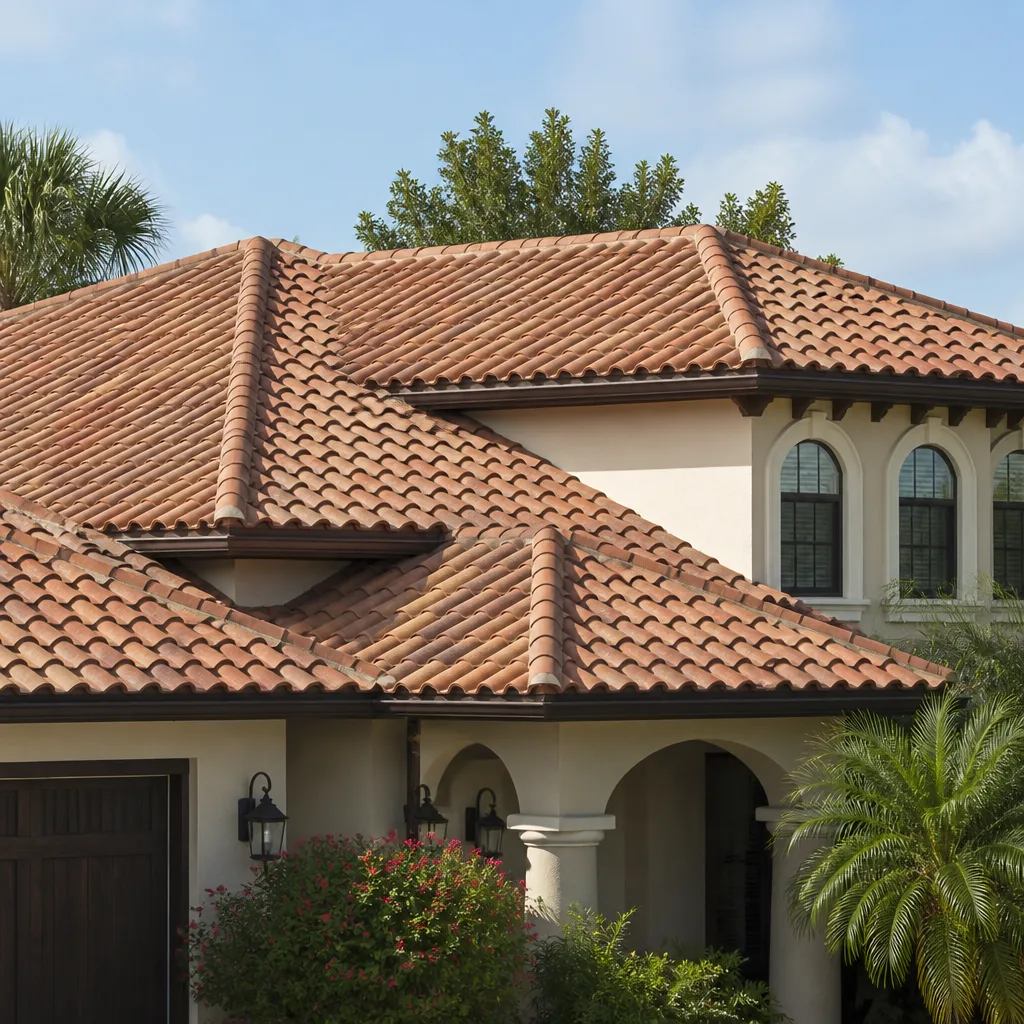 Tile roofing
 GAF
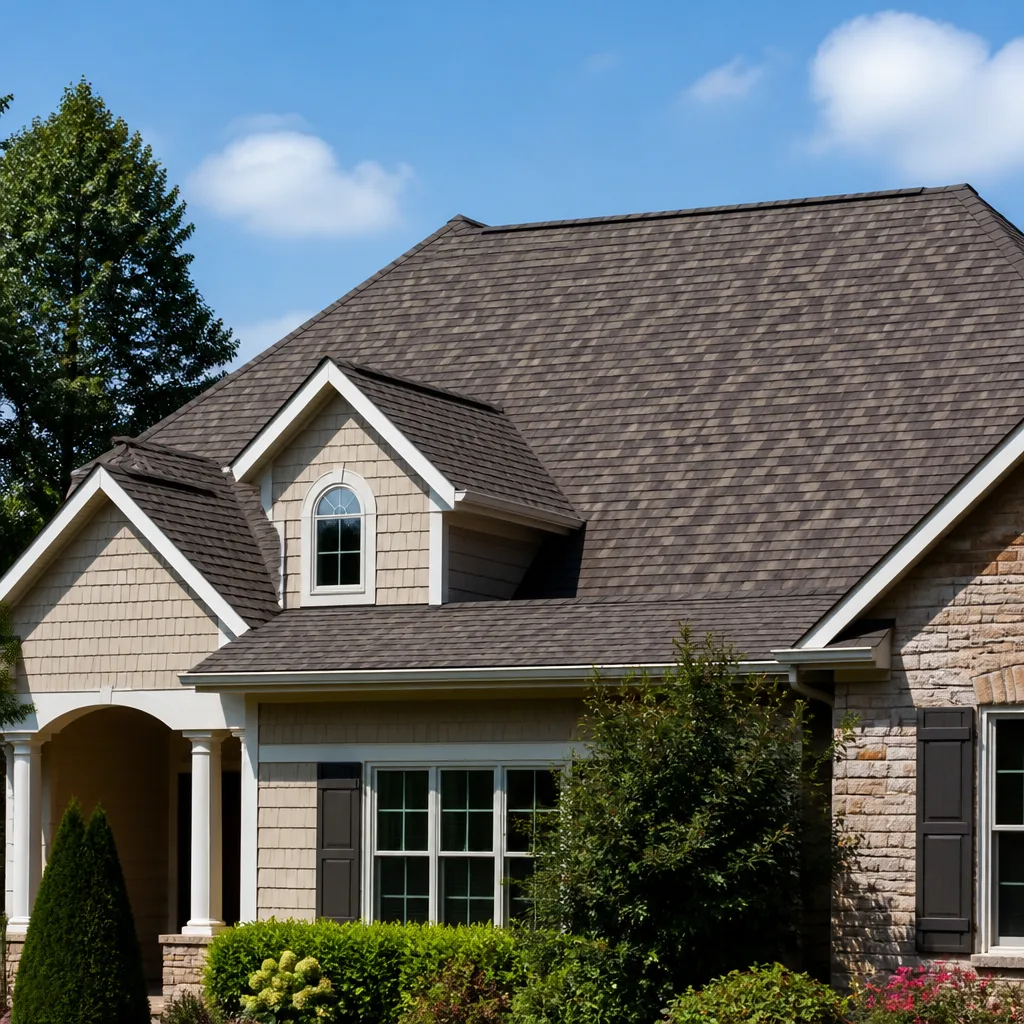 Owens Corning
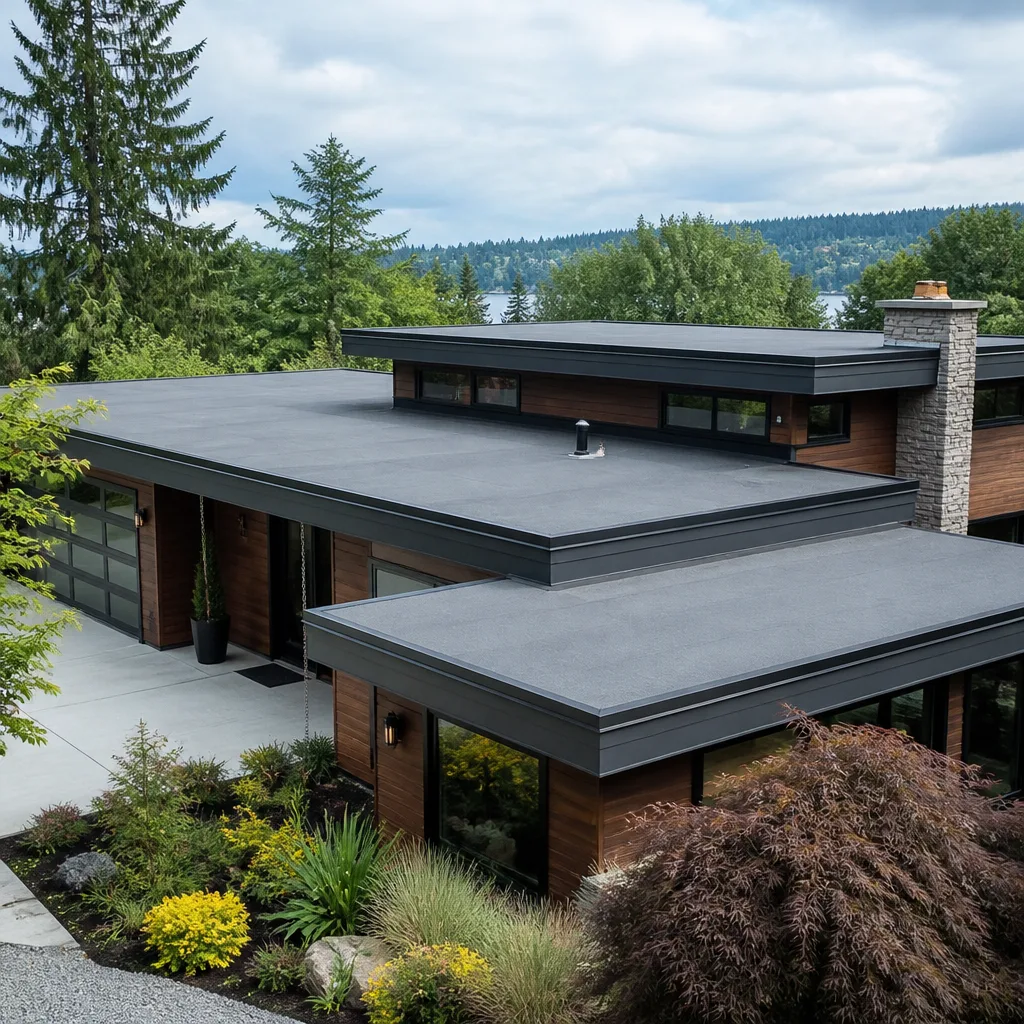 Flat & low-slope
Free roof inspection with deck photos before we talk money - GAF and Owens Corning certified installation
The Complete Roof Repair Guide for Newport Beach Homeowners
Most roof repair guides are written for Ohio. Newport Beach homeowners get the same generic advice while salt air is quietly corroding their fasteners and fog is cycling moisture into their underlayment every single morning. This guide is different. We wrote it specifically for the coastal Orange County climate, where a roof that looks fine from the street can be failing invisibly at the fastener level. By the time you finish reading, you’ll understand exactly what your Newport Beach roof is up against, how to spot early warning signs, what Roof Repair services should cost, and when a repair is smarter than a replacement.
Styles & brands we work with
Quick Answer
Roof repair in Newport Beach typically costs between $350 and $1,500 for minor issues like flashing replacement or isolated tile repair, while more extensive work involving underlayment or structural decking can run $2,500 to $7,000. The right repair depends on your roof’s age, the material, and how much marine layer damage has already set in. Most Newport Beach homeowners should start with a professional roof inspection to get an accurate diagnosis before committing to any repair scope. For more guidance, see our How to Hire a Roofing Contractor in Newport Beach: A Step-by-Step Guide.
Table of Contents
- The Coastal Stressors Newport Beach Roofs Face
- The Most Common Roof Problems in Newport Beach
- The Newport Beach Roof Inspection Checklist
- Tile vs. Shingle: Repair Logic by Material
- What Roof Repairs Actually Cost in Newport Beach
- How to Read a Roof Repair Estimate Line by Line
- Repair vs. Replacement: The Honest Math
- Common Mistakes to Avoid
- When to Call a Professional
- Frequently Asked Questions
- The Bottom Line
The Coastal Stressors Newport Beach Roofs Face
Newport Beach sits in a marine exposure zone, which means your roof is dealing with three separate attackers that inland homes never see. Understanding these stressors is the first step toward making smart repair decisions, because each one leaves a specific fingerprint on your roof.
Salt Air Corrosion
Ocean salt travels inland on prevailing winds and settles on every exposed surface, including your roof. The salt doesn’t just sit there. It bonds with moisture from the marine layer and creates a mild saline solution that accelerates oxidation on metal components. We’ve inspected Newport Beach roofs where galvanized flashing lasted only eight years before showing significant rust, while the same material in Irvine or Tustin would last fifteen or more. The closer you live to the water, whether that’s Balboa Peninsula, Lido Isle, or Corona del Mar, the faster this corrosion cycle moves. Salt air attacks fasteners first, then flashing, then ridge caps. By the time corrosion is visible from the ground, the damage underneath is already well underway.
The Marine Layer Cycle
Newport Beach gets roughly 300 mornings of low cloud cover or fog each year, concentrated heavily from May through July. That marine layer pushes moisture into every gap, seam, and micro-crack in your roofing system. When the sun burns through midday, that moisture expands and evaporates, which stresses sealants and underlayment through constant wet-dry cycling. Homes in Newport Coast and the higher elevations get slightly less fog, but homes near the harbor and along the bluffs sit in it for hours every morning. This repeated moisture cycling is why underlayment in Newport Beach fails differently than it does inland. It doesn’t just age. It breaks down from repeated saturation followed by rapid drying, which causes dimensional changes that pull at seams and fasteners.
Santa Ana Winds
Santa Ana events typically hit Newport Beach between September and January, with gusts reaching 40 to 60 miles per hour in exposed areas like Dover Shores and the eastern edges of Newport Heights. These winds don’t just blow debris onto your roof. They create uplift pressure that can lift tiles, loosen flashing, and tear at sealant joints. The damage pattern after a Santa Ana event is predictable: displaced tiles on windward slopes, lifted ridge caps, and debris impact marks on the leeward side. We tell every Newport Beach homeowner to do a visual check after any wind event over 35 mph, because small displacement now means water intrusion during the next rain.
For a deeper look at how these coastal conditions affect specific repair decisions throughout the Los Angeles basin, our Roof Repair in Lynwood guide covers similar marine-adjacent challenges in that service area.
The Most Common Roof Problems in Newport Beach
Certain problems show up on Newport Beach roofs with predictable regularity. Knowing what they are helps you spot them early, before a small issue becomes a structural one.
Corroded Flashing and Fasteners
Flashing is the metal material that seals the joints where your roof meets walls, chimneys, skylights, and valleys. In Newport Beach, standard galvanized steel flashing corrodes faster than almost anywhere else in Southern California because of the salt exposure. The same goes for the nails and screws holding your roof components in place. When fasteners corrode, they loosen. When they loosen, water finds a path. We recommend stainless steel or copper flashing for coastal homes, and we regularly replace corroded galvanized flashing with materials that hold up better in marine zones. Atlas and Tamko both manufacture coastal-rated flashing accessories and underlayment systems that perform better in high-salt environments than standard products.
Underlayment Failure
Underlayment is the waterproof layer between your roof deck and your visible roofing material. In Newport Beach, underlayment failure is the most under-diagnosed roof problem we see. Homeowners notice a leak and assume the tile or shingle is broken, but often the visible material is fine and the underlayment beneath has reached the end of its service life. The marine layer accelerates this failure by keeping the underlayment damp for hours each morning. Older felt underlayment typically lasts 15 to 20 years inland, but 10 to 15 years in coastal Newport Beach. Synthetic underlayment from brands like IKO and Atlas offers better moisture resistance, which is why we often recommend it for replacement work.
Tile Slippage and Breakage
Newport Beach has one of the highest concentrations of tile roofs in California. Clay and concrete tiles dominate the market, especially in older neighborhoods like Balboa Island and Lido Isle where the aesthetic is part of the home’s character. Tiles crack under impact, slide out of position during wind events, and break when foot traffic is placed improperly during maintenance. A single cracked or shifted tile is a simple repair. Multiple missing tiles across a slope often indicates a deeper problem with the fastening system or the underlayment beneath.
Debris Accumulation in Valleys and Gutters
Newport Beach’s mature tree canopy, especially the eucalyptus and pine varieties common in older neighborhoods, drops significant debris onto roofs. When debris collects in valleys and gutters, it traps moisture against the roofing material and accelerates deterioration. Homes in Newport Heights and the tree-lined streets around Mariners Elementary are particularly prone to this. A clogged valley is one of the most common root causes of otherwise unexplained roof leaks in Newport Beach.
The Newport Beach Roof Inspection Checklist
Different times of year call for different inspection priorities in Newport Beach. Here’s what to look for after each of the major seasonal events that affect local roofs.
After Santa Ana Winds (September through January)
- Check windward slopes for displaced tiles. Walk the perimeter of your home and look for tiles that are out of alignment, especially on the side that faced the wind. A shifted tile leaves the underlayment exposed to the next rain.
- Inspect ridge caps for lifting. The ridge line catches the most uplift pressure during Santa Ana events. Look for caps that sit higher than their neighbors or show gaps at the mortar line.
- Scan valleys and gutters for wind-blown debris. Santa Ana winds deposit branches, leaves, and sometimes entire palm fronds into roof valleys and gutters. Clear them promptly.
- Look for impact marks on the leeward slope. Debris that flies over the house often lands on the opposite slope. Check for cracked tiles or dents in metal components.
- Check flashing around chimneys and vents. Wind vibration can loosen flashing seams. Look for gaps or lifted edges around any roof penetration.
After the Marine Layer Season (June through July)
- Inspect for moss or algae growth on shaded slopes. The persistent moisture from morning fog encourages organic growth on north-facing and tree-shaded roof areas. Moss holds moisture against the material and accelerates deterioration.
- Check for efflorescence on tile. This white, chalky residue appears when moisture moves through concrete tile and evaporates on the surface. It’s an early warning sign that underlayment may be saturated.
- Examine sealant around penetrations. The wet-dry cycle of marine layer season is hardest on sealant. Look for cracking, peeling, or separation around vents, pipes, and skylights.
- Look for lifted or curling underlayment at the eaves. From the ground, you can sometimes spot underlayment that has warped from repeated moisture exposure. This is most common on the lower edges of the roof.
These seasonal checks work well as a homeowner baseline. But for a complete picture, a professional Roof Inspection in Lynwood or Newport Beach should happen at least once every two years for coastal homes, and immediately after any major storm event.
Tile vs. Shingle: Repair Logic by Material
Newport Beach roofs skew heavily toward tile, but many homes have asphalt shingle roofs, and a growing number are converting to synthetic options. Each material demands a different repair logic, and understanding the difference protects you from paying for the wrong kind of work.
Clay Tile
Clay tile is the classic Newport Beach look, especially on Spanish Revival and Mediterranean homes throughout the city. Clay tiles can last 50 to 100 years, but the fasteners and underlayment beneath them won’t. This creates a common misconception: homeowners see old tiles still in good shape and assume the roof is healthy, when the real waterproofing layer has long since failed. Repairing clay tile means individual broken or cracked tiles can be replaced, but you need a roofer who understands tile matching. Older Newport Beach homes often have discontinued tile profiles, which means a good repair requires sourcing matching tiles from salvage or custom firing. Foot traffic is the other issue. Clay tiles crack under improper weight distribution, so anyone walking your roof needs to know how to move across tile without causing more damage than they’re fixing.
Concrete Tile
Concrete tile is more common in newer Newport Beach construction and in the larger planned communities. It’s more forgiving than clay in terms of impact resistance, but it absorbs more moisture from the marine layer, which accelerates efflorescence and can shorten its effective life in coastal conditions. Concrete tile repairs are usually straightforward. Individual tiles can be replaced, and because concrete tile is still manufactured in current profiles, color matching is easier than with older clay. The bigger concern with concrete tile in Newport Beach is the weight. A concrete tile roof is heavy, and before adding any repair or replacement layer, the underlying structure needs to be evaluated for load capacity. Boral manufactures concrete roofing tiles with coastal-grade finishes designed specifically for marine environments, and we’ve used their products on homes from Balboa Peninsula to Newport Coast.
Asphalt Shingle
Asphalt shingle roofs are less common in Newport Beach’s older neighborhoods but show up frequently on mid-century homes and some newer construction. Shingles are vulnerable to the same salt and moisture issues as other materials, but they also suffer from granule loss, which accelerates in windy coastal conditions. Once shingles lose their granules, the asphalt substrate is exposed to UV radiation and degrades quickly. Repairing an asphalt shingle roof in Newport Beach usually means replacing individual shingles or small sections, but the deeper issue is often the underlayment and fasteners, which are failing on the same accelerated timeline as the shingles themselves. If a shingle roof is over 15 years old in a marine exposure zone, patching individual shingles may be a short-term fix at best.
Synthetic Tile and Shake
Synthetic roofing materials, including polymer-based tiles and composite shakes, are gaining traction in Newport Beach as homeowners replace aging roofs. These products from manufacturers like IKO and Atlas offer better salt resistance than natural materials and weigh less than concrete tile. Repair logic for synthetics is different because most synthetic products are installed as systems with specific fastener requirements. Mixing materials or using the wrong fastener can void the warranty. If you have a synthetic roof, make sure any repair contractor knows the specific manufacturer’s installation requirements before they start the work.
What Roof Repairs Actually Cost in Newport Beach
Roof repair pricing in Newport Beach runs higher than inland Southern California, driven by a few local factors: the cost of doing business in coastal Orange County, the specialized nature of tile repair work, and the premium on materials that hold up in marine environments. Here’s what you can expect to pay for common repairs in the area as of 2025.
Typical Repair Costs by Project Type
- Flashing replacement or repair: $350 to $800 for isolated sections, depending on the type of flashing and the accessibility of the area. Chimney flashing repair runs higher, typically $600 to $1,200.
- Individual tile replacement: $150 to $400 per tile when a few tiles need replacement, dropping to $40 to $80 per tile when replacing larger sections. Clay tile matching adds cost when custom sourcing is required.
- Valley repair: $500 to $1,500 depending on whether the valley needs cleaning, flashing replacement, or underlayment repair.
- Underlayment replacement over a slope: $2,500 to $5,000 for a single slope on a typical Newport Beach home. Full underlayment replacement under an existing tile roof runs $7,000 to $12,000 or more.
- Leak diagnosis and minor patching: $250 to $600 for a standard service call and isolated repair.
- Ridge cap re-bedding and re-pointing: $800 to $1,800 for a typical residential ridge line, depending on length and the condition of the existing mortar.
These ranges reflect the Newport Beach market specifically. The same repairs in Riverside or San Bernardino might cost 20 to 30 percent less, but coastal contractors carry higher operating costs and often source higher-grade materials because standard materials fail too quickly in the marine environment.
Material Tier Pricing
When repairs require material replacement, Newport Beach homeowners benefit from choosing materials that are rated for coastal exposure. Premium materials cost more upfront but last measurably longer in marine conditions. Stainless steel flashing, for example, runs 30 to 50 percent more than standard galvanized steel but can last two to three times longer in salt air. The same logic applies to synthetic underlayment versus traditional felt. IKO, Atlas, and Tamko all manufacture synthetic underlayments and coastal-rated accessories at different price points, which means homeowners can match their budget to their expected timeline in the home. If you’re planning to stay for ten years, premium materials pay for themselves. If you’re selling in three, value-tier products from a reputable manufacturer will still outlast the sales timeline.
For a broader look at how repair costs interact with the decision to replace, our Roof Replacement in Lynwood guide breaks down full replacement pricing logic and material selection in a similar coastal market.
How to Read a Roof Repair Estimate Line by Line
A legitimate roof repair estimate from a Newport Beach contractor should break down into clear line items. If you receive an estimate that only shows a single lump-sum number with no breakdown, that’s a warning sign. Here’s how to evaluate each component.
Material Line Items
The estimate should specify exactly what materials are being used, including the manufacturer and product line where applicable. A line item that says “flashing” with no material specification is not detailed enough. You want to see whether the flashing is galvanized steel, stainless steel, or copper, because the material determines both cost and longevity. For tile work, the estimate should specify whether replacement tiles are new, salvaged, or custom-fired. For underlayment, the manufacturer and product line should appear. IKO and Atlas synthetic underlayments are common in coastal repairs because of their moisture resistance, but the estimate needs to say which one.
Labor Line Items
Labor typically represents 50 to 60 percent of a repair estimate. The estimate should break labor down by task, not just by day rate. “Remove and replace 12 concrete tiles: X hours at Y rate” is what you want to see. A roof repair crew in Newport Beach typically bills at $75 to $150 per person per hour depending on the complexity of the work and the skill level required. Tile work commands a higher labor rate than basic shingle repair because of the specialized knowledge required to move across tile without causing additional damage.
Disposal and Cleanup Fees
Most legitimate estimates in Newport Beach include a line item for debris removal and disposal. Dump fees and recycling costs for old roofing materials in Orange County run $50 to $300 depending on the volume. If an estimate omits this line item, ask whether disposal is included or whether you’ll be surprised with a separate charge later.
Permit Fees
Most minor roof repairs in Newport Beach don’t require a permit, but larger jobs that involve structural work or significant underlayment replacement may. The City of Newport Beach requires permits for roof work that goes beyond basic maintenance, particularly when the roof deck is modified or when a certain percentage of the roof area is being addressed in a single scope. Your estimate should clearly state whether permits are included and who is responsible for pulling them. A contractor who says permits are never needed for roof work is not being honest with you about local requirements.
Warranty Language
The estimate should state what kind of workmanship warranty is included. Newport Beach homeowners should expect at least a one-year workmanship warranty on any repair, and longer warranties on significant work. Material warranties from manufacturers are separate and should be specified alongside the workforce warranty. If the estimate doesn’t mention warranty terms, ask for them in writing before you sign.
Repair vs. Replacement: The Honest Math
The hardest decision for any Newport Beach homeowner is whether to repair or replace. The honest answer depends on three factors: the age of your roof’s underlying system, the frequency of recent repairs, and your timeline for staying in the home.
When Repair Is the Right Call
Repair makes sense when the roof’s visible material still has meaningful life left, the underlayment is functioning, and the damage is isolated. A few cracked tiles after a Santa Ana event, a single failed flashing section, or a localized leak around a vent are all legitimate repair scenarios. If your roof is under 15 years old and has been properly maintained, a targeted repair can extend your roof’s life by years without the expense of a full replacement.
When Replacement Is the Smarter Move
Replacement becomes the right call when the underlayment has reached the end of its service life, even if the visible tile or shingle still looks passable. In Newport Beach’s marine environment, underlayment often fails before the material on top of it, which creates a situation where repairing visible damage doesn’t address the real waterproofing problem. If your roof is over 20 years old, and particularly if it’s over 25, individual repairs become a diminishing-returns proposition. You’re paying for the labor to access and re-close areas of the roof that will need the same treatment again within a few years. At a certain point, the cumulative cost of repeated repairs exceeds the cost of replacement.
The Coastal Accelerator
Newport Beach’s climate accelerates the repair-versus-replace timeline compared to inland Southern California. A tile roof that might last 40 years in Pasadena may reach the end of its functional waterproofing life in 25 to 30 years on the Newport Beach coastline. The salt air, the marine layer moisture, and the wind cycles all work together to age your roof faster than the same materials would age ten miles inland. This doesn’t mean you should replace sooner than necessary, but it does mean you should be more aggressive about inspection and more realistic about the remaining life of your roof’s underlying systems.
At Sunridge Roof Repair, we inspect before we recommend. That’s not a slogan. It’s the process we follow on every single job, because the right recommendation depends on what the roof actually looks like underneath, not what it looks like from the driveway.
Common Mistakes to Avoid
- Ignoring the underlayment. Many Newport Beach homeowners focus on visible tile condition and miss the fact that their underlayment, the actual waterproofing layer, has already failed. The tiles look fine, the roof leaks anyway. This is the most expensive mistake on this list because it leads to interior damage that could have been prevented.
- Choosing the cheapest flashing material. Standard galvanized flashing in Newport Beach’s salt air will corrode and need replacement within a decade. Paying slightly more for stainless steel or copper flashing from a manufacturer like Atlas eliminates a recurring repair cycle.
- Walking on tile roofs without proper technique. Clay tile cracks under concentrated weight. Homeowners and inexperienced contractors both cause damage by walking across tile the wrong way. A single misstep can crack multiple tiles and create leaks where none existed before.
- Delaying post-storm inspections. After a significant Santa Ana event, displaced tiles and lifted flashing may not leak immediately. They will leak during the next rain, which could be months later. By then, water has had time to penetrate the underlayment and cause rot or mold.
- Accepting a lump-sum estimate with no breakdown. A legitimate Newport Beach roofing contractor provides line-item detail. A contractor who hands you a single number and says “trust me” is not giving you the information you need to compare quotes honestly.
- Skipping the inspection and going straight to repair quotes. Some homeowners call three roofers and ask each one for a repair price without getting a proper inspection first. The problem is that each roofer is guessing at the scope. A proper diagnosis changes everything about what a repair should cost and whether a repair is even the right recommendation.
When to Call a Professional
Some roof issues in Newport Beach are safe to assess from the ground, but most require an experienced eye and, more importantly, the right equipment and training to evaluate safely. If you see water staining on your ceiling, that’s a professional-grade problem. If you notice displaced tiles after a wind event, the displacement itself may be minor, but the underlying damage may not be. If you see rust-colored staining on your flashing or granules collecting in your gutters, those are early warning signs that belong in a professional report, not a homeowner’s guesswork. Walking a roof is dangerous work, and walking a tile roof without training causes damage to the very roof you’re trying to inspect. Sunridge Roof Repair offers free estimates in Newport Beach, call (833) 589-5180 to schedule yours. We inspect first, then recommend. No pressure, no upselling, just an honest assessment of what your roof actually needs.
Frequently Asked Questions
Most Newport Beach roof repairs cost between $350 and $1,500 for isolated issues like flashing replacement or individual tile repair, while more extensive repairs involving underlayment replacement or structural work run $2,500 to $7,000 or more. The exact cost depends on your roof material, the extent of the damage, and the accessibility of the affected area. Call (833) 589-5180 for a free estimate based on your specific roof.
Coastal homes in Newport Beach should have a professional roof inspection at least once every two years, and immediately after any major storm or Santa Ana wind event. The marine environment accelerates wear on fasteners, flashing, and underlayment, which means problems develop faster here than they do inland.
Yes, salt air in Newport Beach accelerates corrosion on metal components including flashing, fasteners, and ridge caps. Homes closer to the water, from Balboa Peninsula to Lido Isle, experience faster corrosion than homes in the eastern hills. Using corrosion-resistant materials like stainless steel flashing significantly extends the life of coastal roofs.
Yes, most tile roof issues are repairable when caught early. Individual cracked or displaced tiles can be replaced, and localized underlayment or flashing problems can be addressed without touching the rest of the roof. The exception is when the underlayment has reached the end of its service life across the entire roof, at which point replacement becomes the more cost-effective option.
A reputable Newport Beach roofer provides a fixed-price estimate based on a thorough inspection and holds that price unless you approve additional work in writing. Beware of contractors who submit a low initial estimate and then escalate the price after the roof is opened up. Hidden damage is real, but a good contractor will identify it during the inspection phase and price it into the estimate upfront. Call (833) 589-5180 for an exact quote, estimates are free.
There’s no single best material for every Newport Beach home. Clay tile offers the classic coastal aesthetic and excellent longevity but requires careful foot traffic management. Concrete tile is more affordable and easier to repair. Synthetic products from manufacturers like IKO and Atlas offer strong salt resistance and lower weight. The right choice depends on your home’s style, your budget, and how long you plan to stay in the house.
The Bottom Line
Newport Beach roofs face a unique combination of salt air, marine layer moisture, and Santa Ana winds that most repair advice simply doesn’t account for. The result is that local homeowners need to be more proactive about inspection, more thoughtful about material selection, and more skeptical of generic repair recommendations. The right repair, using the right materials, at the right time, will extend your roof’s life by years and protect your home from the expensive consequences of water intrusion. The wrong repair, done with inland logic, will fail early and cost you twice. If you’re in Newport Beach and you suspect your roof needs attention, start with an inspection. Explore our more guides & resources to stay informed about coastal roof care. It’s the one step that makes every subsequent decision clearer. Call (833) 589-5180 to schedule your free estimate today.
Written by the team at Sunridge Roof Repair, serving Newport Beach since 2011.
See the difference
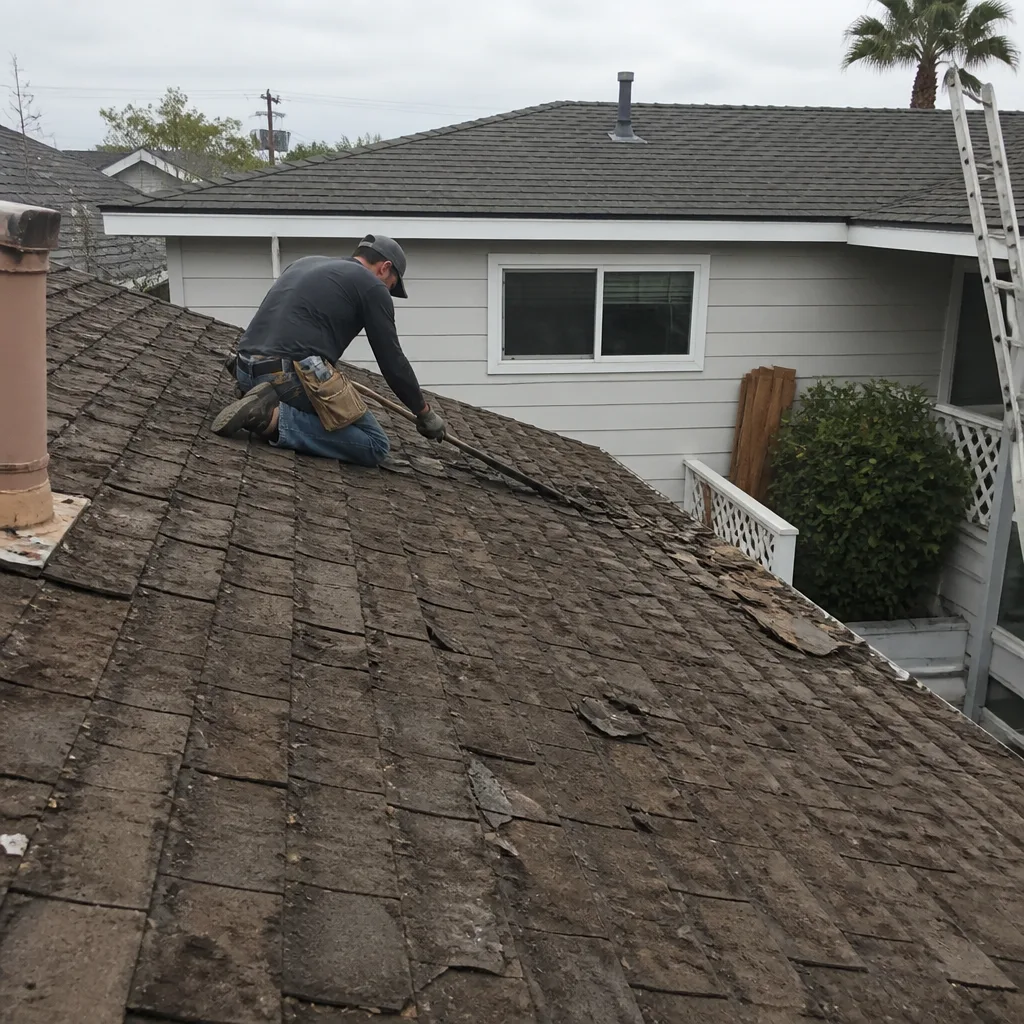 Before
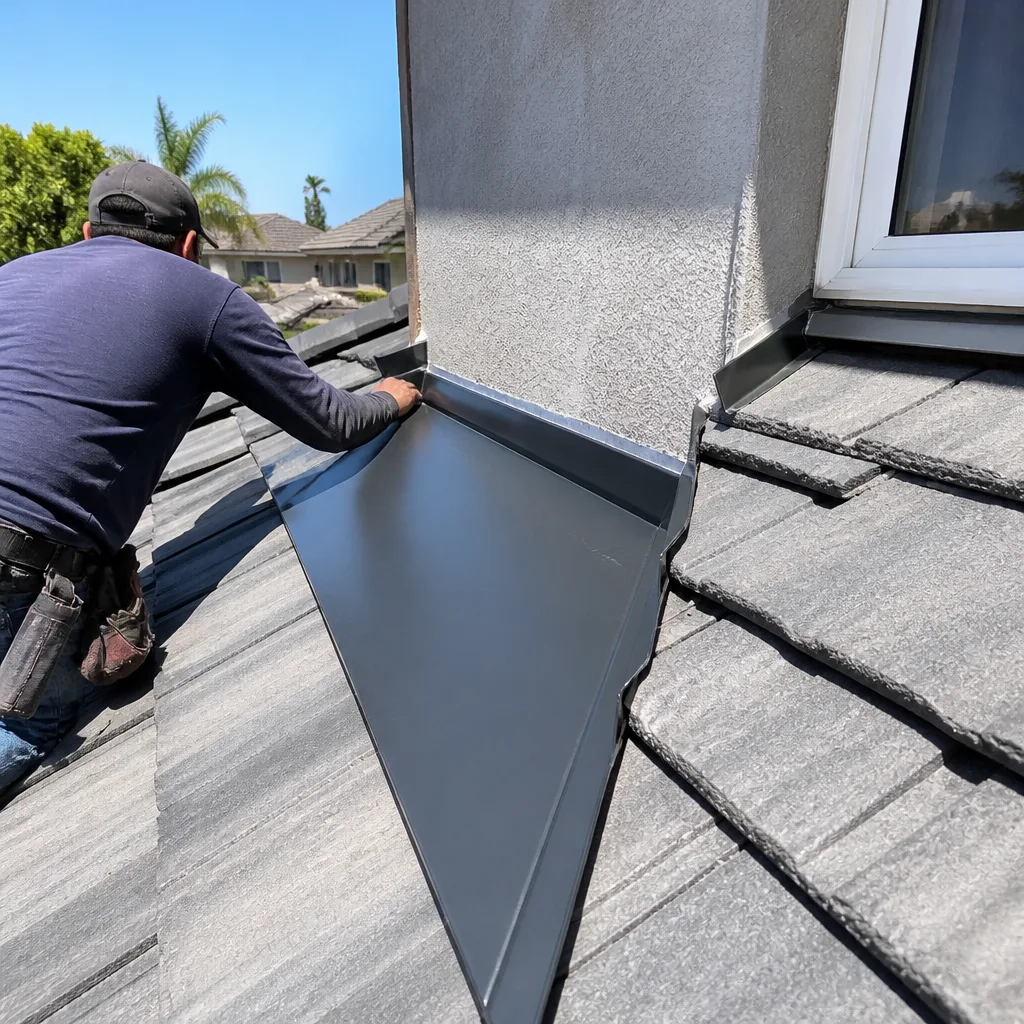 After
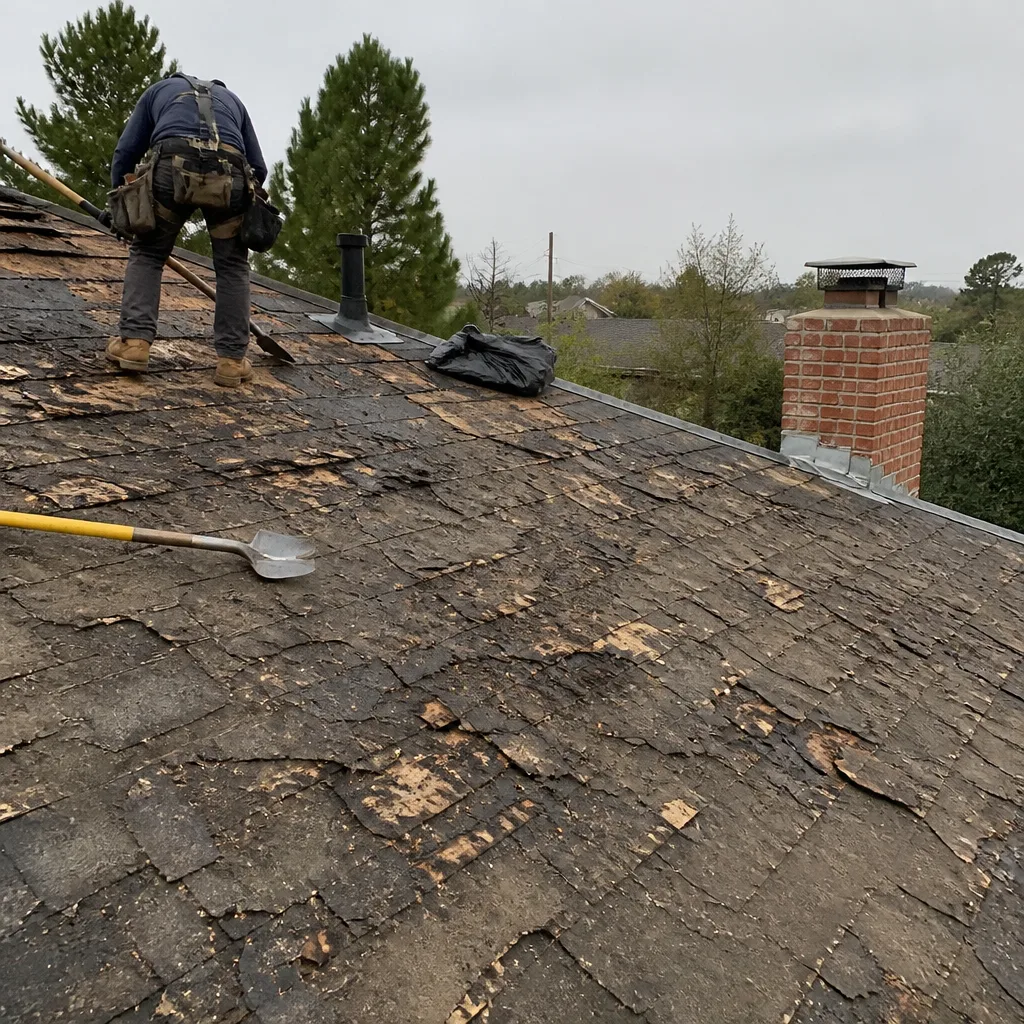 Before
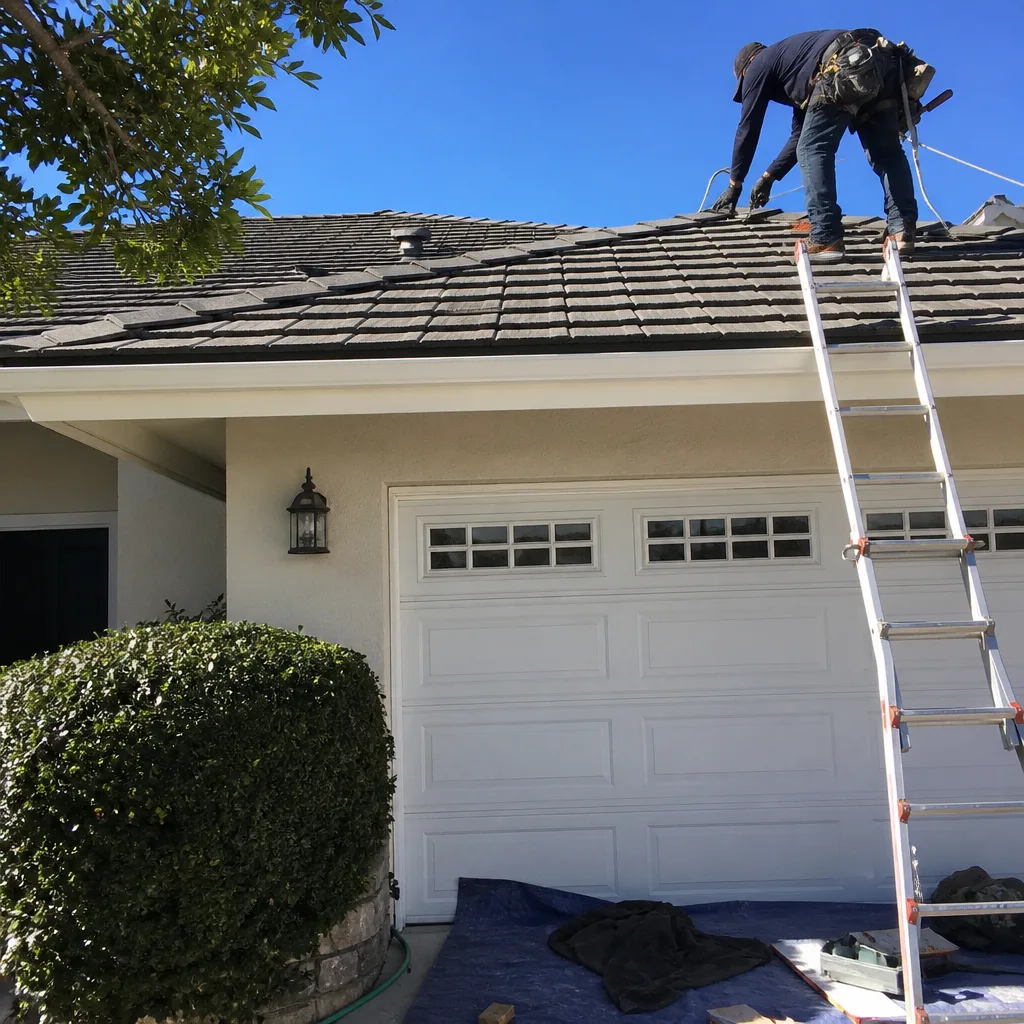 After
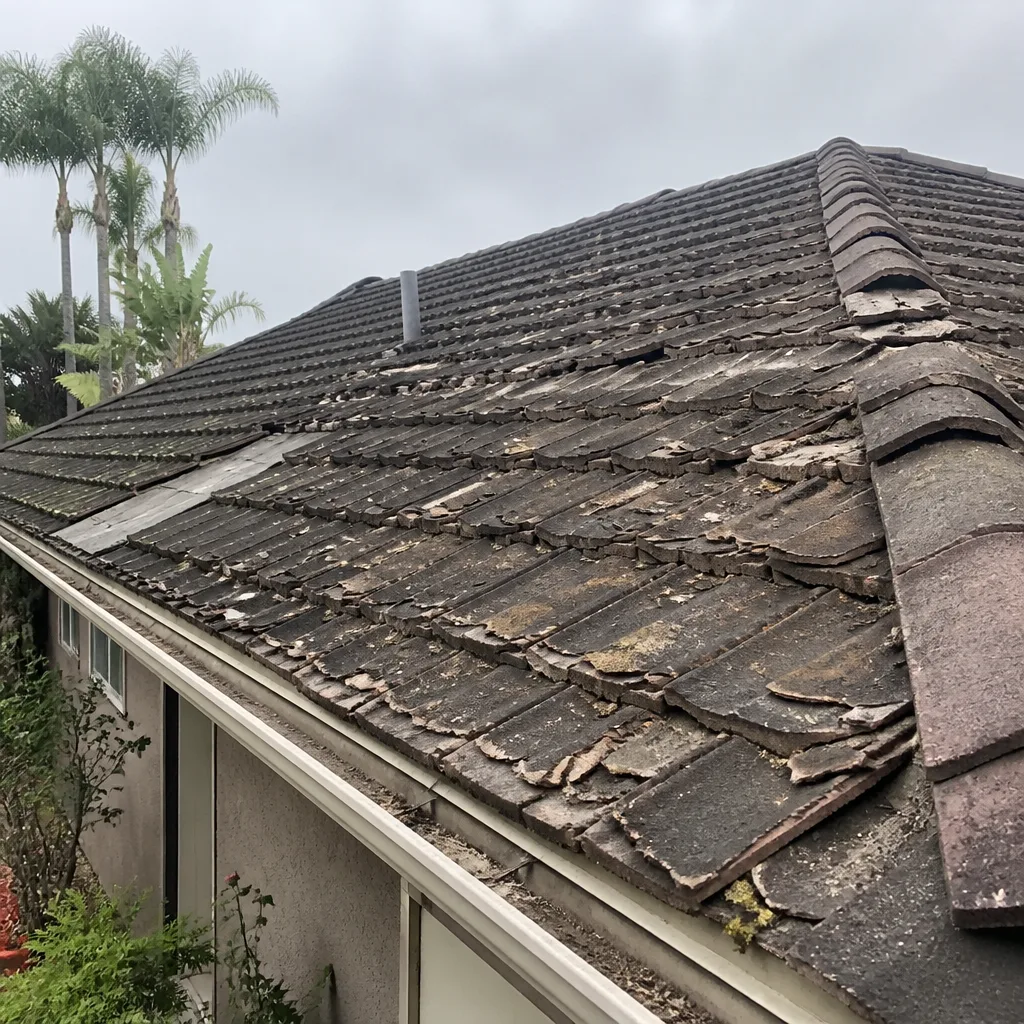 Before
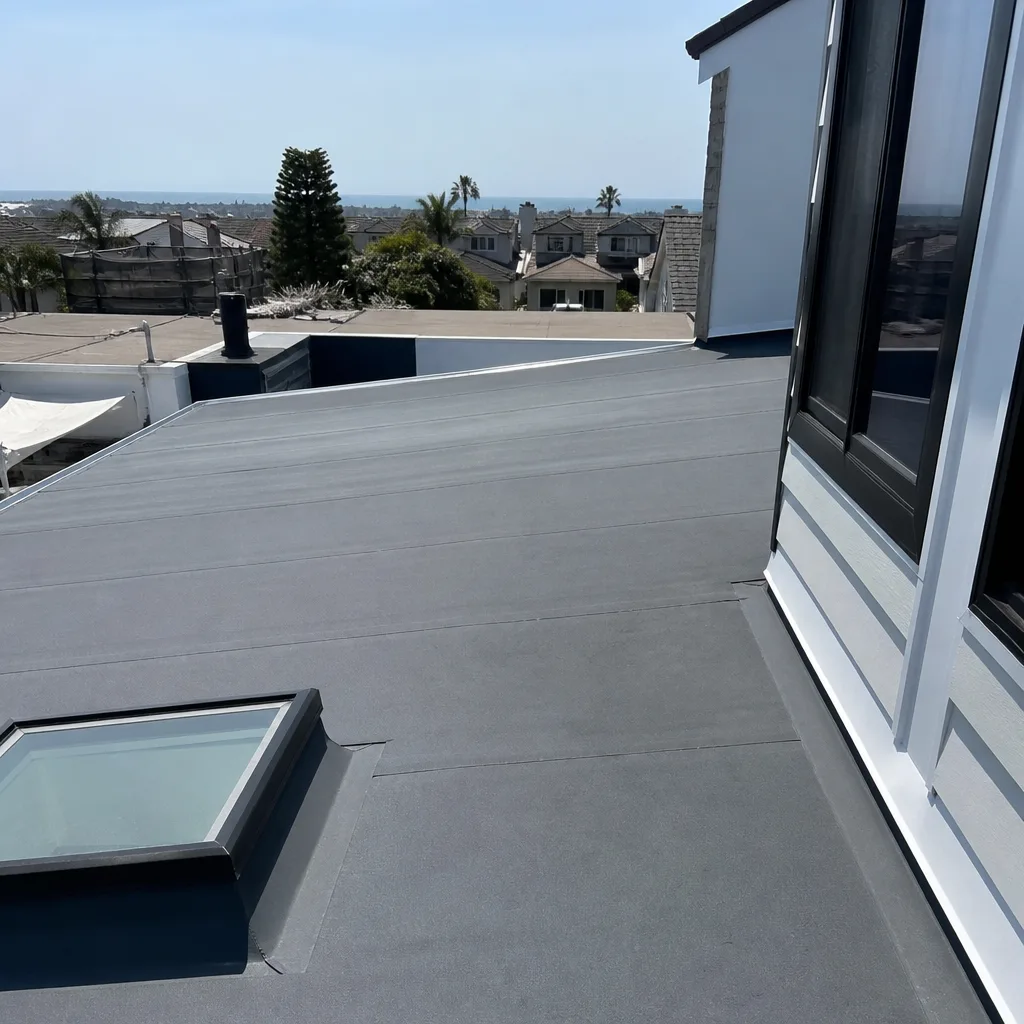 After