Last updated October 30, 2026
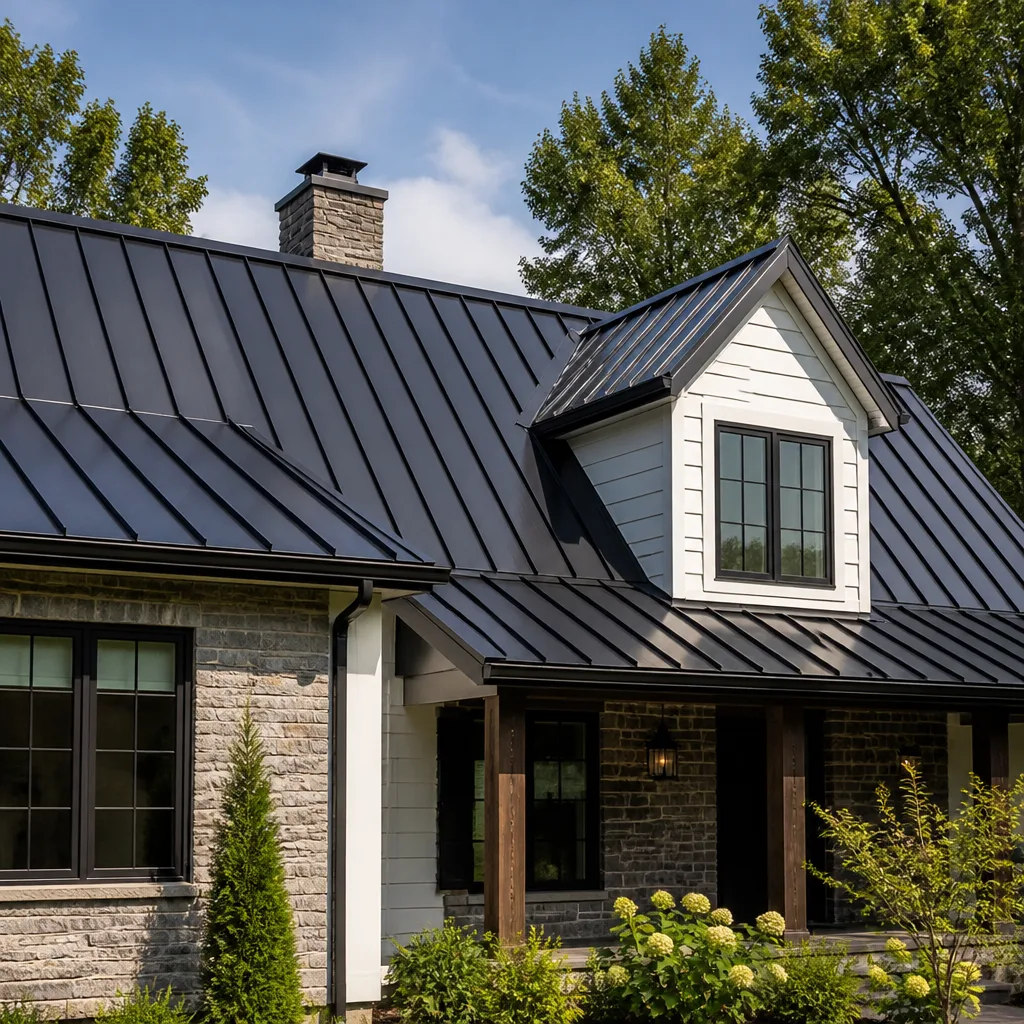 Metal roofing
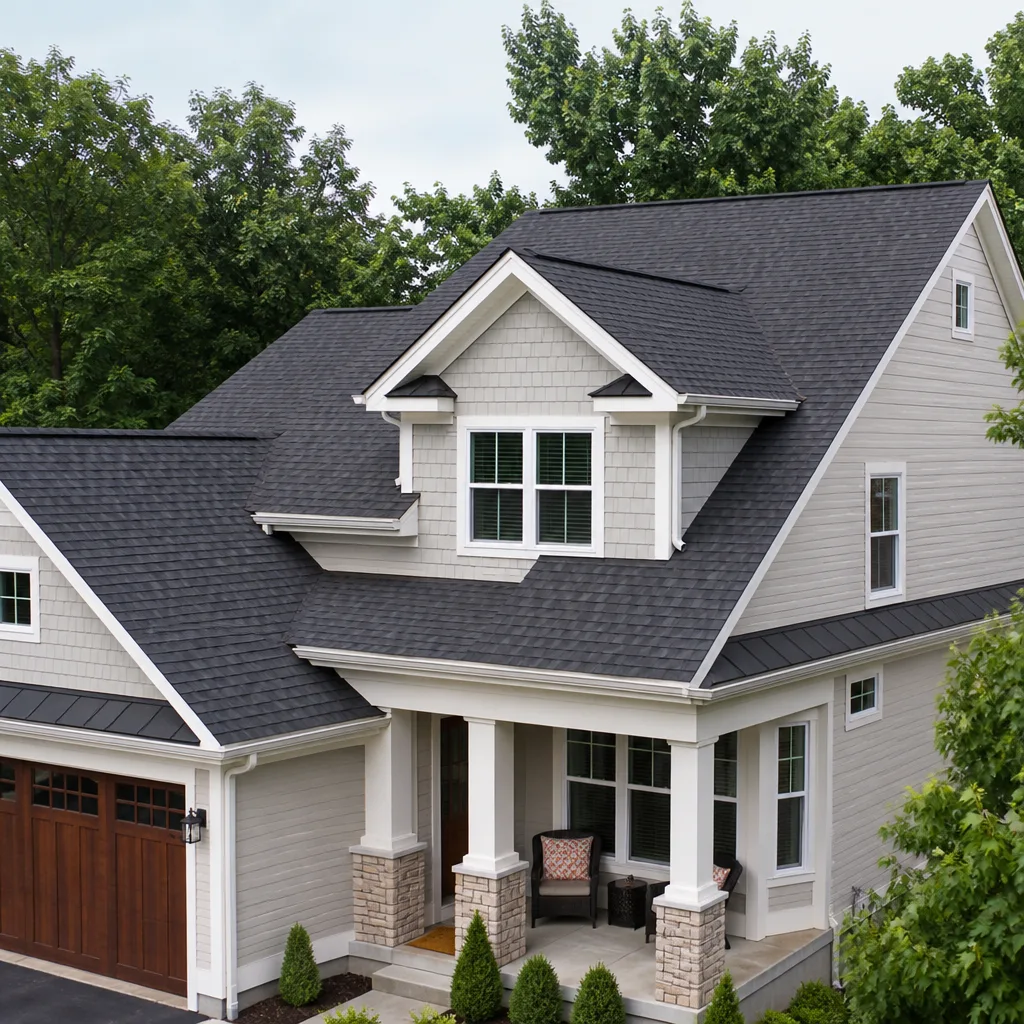
 Architectural shingles
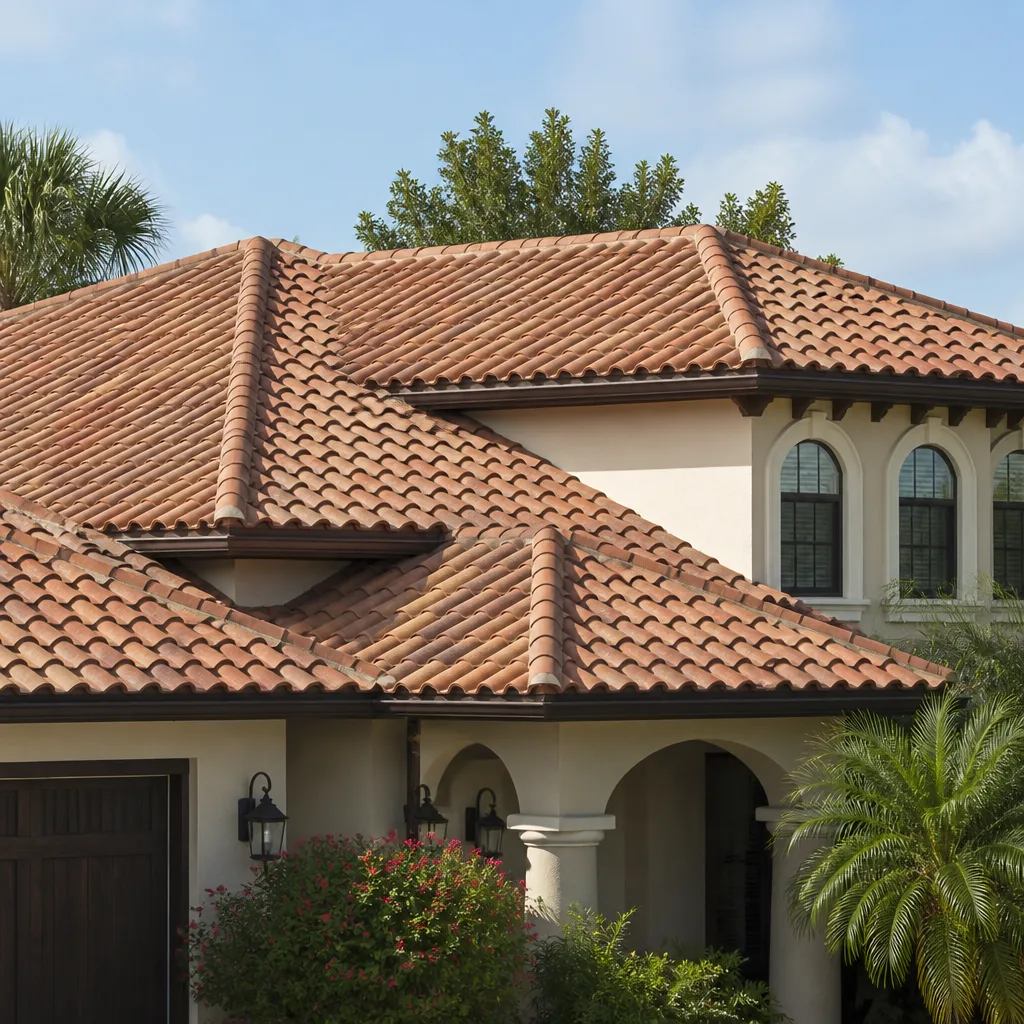 Tile roofing
 GAF
 Owens Corning
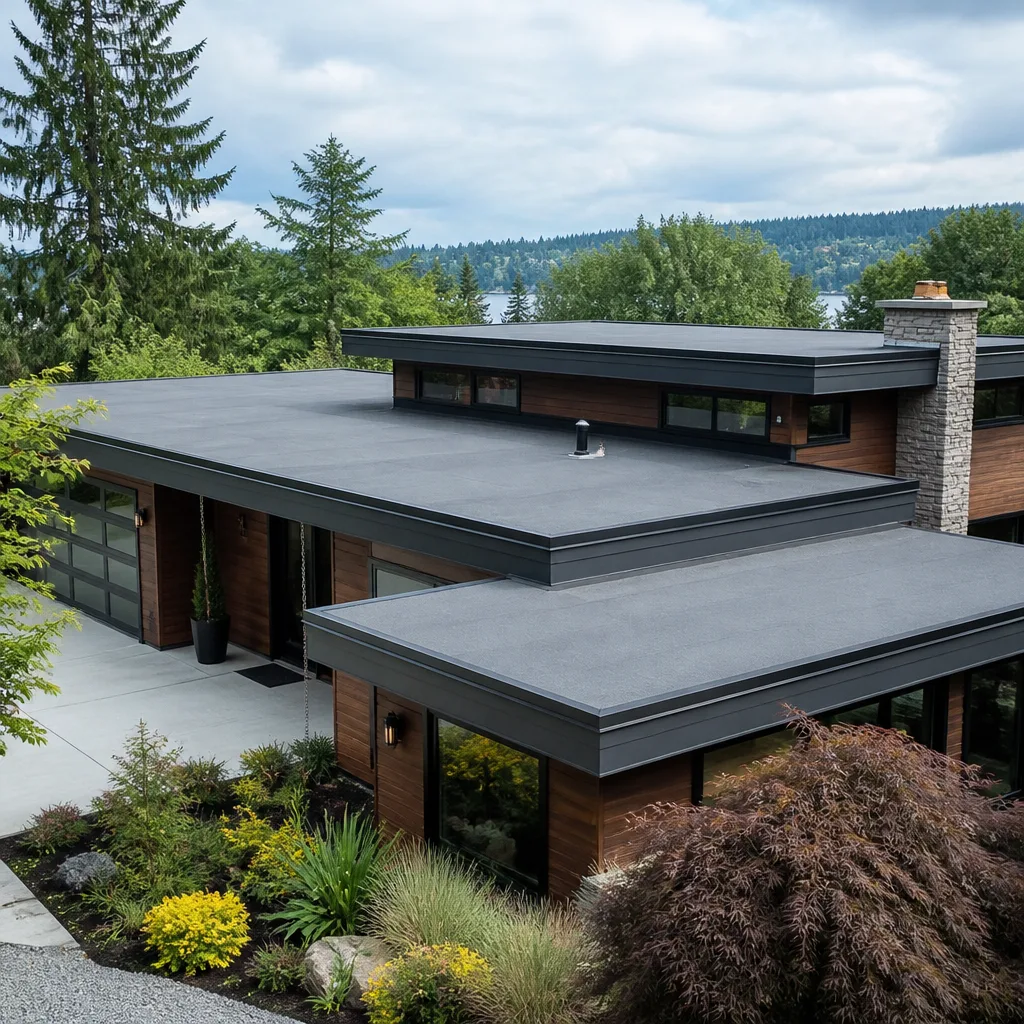 Flat & low-slope
Free roof inspection with deck photos before we talk money - GAF and Owens Corning certified installation
How to Hire a Roofing Contractor in Newport Beach: A Step-by-Step Guide
A contractor can be fully licensed, bonded, insured, and carrying a five-star rating, and still be the wrong person to touch your Newport Beach roof. Walk down any street in Corona del Mar or the Newport Heights neighborhood and you’ll see general contractors’ trucks parked in driveways for kitchen remodels, bathroom updates, and room additions. Some of those trucks have “roofing” listed as one of fifteen services on their website. Here’s the question almost no homeowner thinks to ask: how many roofs has that crew actually installed in a salt-air, high-UV, marine-layer environment like Newport Beach? This guide walks you through vetting a roofing contractor the way a roof specialist would, from license class to contract terms, so you don’t discover the difference after the work is done. For more guides & resources, see our blog.
Styles & brands we work with
Quick Answer
To hire a roofing contractor in Newport Beach, start by confirming the contractor holds an active California C-39 roofing license (not a general B license with roofing as a sideline), request proof of workers’ compensation and general liability insurance, and ask three coastal-specific questions: what underlayment they spec for low-slope homes near the water, how they detail flashing against salt-air corrosion, and which manufacturers they buy from directly. Then compare at least two itemized bids line by line, confirm permit responsibility and lien waiver language in writing, and never accept a quote from anyone who did not first inspect the actual roof.
Table of Contents
- Why the License Class Matters More Than the License Itself
- What Newport Beach Weather Actually Does to Roofs
- Questions to Ask Before You Get a Bid
- How to Read a Roofing Bid Line by Line
- What a Real Pre-Job Inspection Looks Like
- Contract Terms That Protect You in California
- Step-by-Step Hiring Checklist
- Common Mistakes to Avoid
- When to Call a Professional
- Frequently Asked Questions
- The Bottom Line
Let’s start with the thing most guides get wrong. They tell you to check for a license. They don’t tell you there are different kinds, and that the difference explains half the bad roofing jobs we get called to fix.
Why the License Class Matters More Than the License Itself
California issues different contractor license classifications, and they are not interchangeable. A general building contractor carries a B license. That license is broad, covering framing, concrete, flooring, and many other trades. Roofing is just one item in a long list of things a B-licensed contractor is legally allowed to do. A C-39 license, by contrast, is a roofing-specific credential. It means the contractor has demonstrated experience specifically in roofing and has passed an exam focused on roofing systems, materials, and installation standards. In our experience, general contractors who “also do roofs” rarely have a dedicated roofing crew. They subcontract the work out, add a markup, and step away. When a problem shows up later, you’re calling a generalist who may not understand why an underlayment failed on a low-slope section near the coast. Start your search by looking up the contractor’s license number on the Contractors State License Board website. Confirm the classification is C-39. If it says B, ask how many of their full-time employees are roofing installers, not how many roofs they’ve “overseen.”
A practical note on coastal roofs
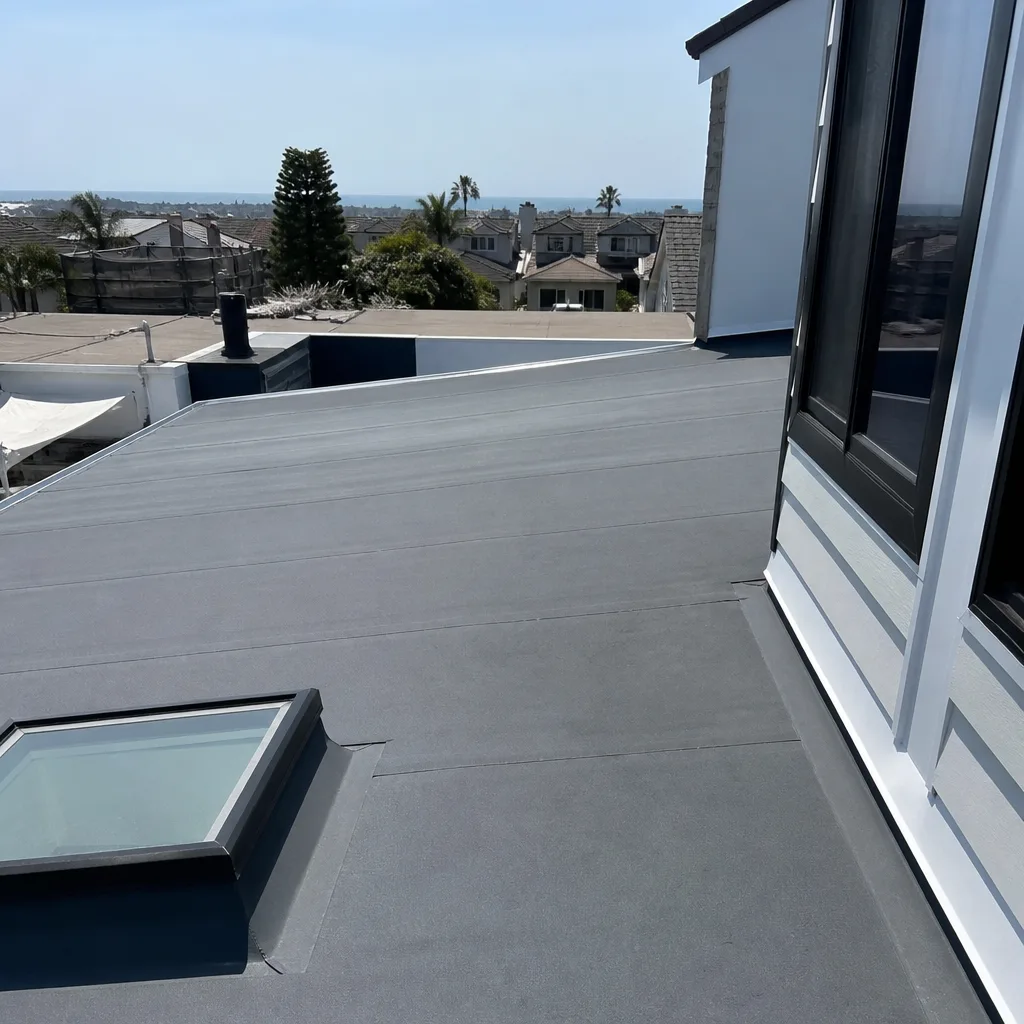
Roofing is already a specialized trade. Roofing in Newport Beach layers on additional complexity: marine air accelerates corrosion on exposed fasteners and flashing, wind-driven rain approaches at angles different from what inland roofers plan for, and many beach-adjacent homes have low-slope or flat sections that require different underlayment and membrane systems than a standard pitched roof in Irvine or Tustin. A contractor who works primarily inland builds habits around inland conditions. That’s not a character flaw, but it is a risk factor when the job site is six blocks from the water.
What Newport Beach Weather Actually Does to Roofs
Newport Beach sits in a marine-influenced climate. Morning fog and marine layer moisture are common from May through July. Salt particles from ocean air settle on metal flashing, fasteners, and pipe boots. UV exposure is high year-round, breaking down asphalt shingle granules faster than in shaded inland areas. Add occasional Santa Ana wind events, and you have an environment where roofs age unevenly, fasteners corrode before shingles wear out, and seams in underlayment are tested by wind-driven rain. A contractor who understands this will make different material choices. They’ll use corrosion-resistant fasteners as a default. They’ll spec an underlayment rated for high exposure and look carefully at how flashing transitions where roof planes meet walls or chimneys, because those are the first places salt air eats through standard galvanized steel. In neighborhoods like Lido Isle and Balboa Peninsula, where homes are exposed to nearly constant salt air, these decisions matter more than the color of the shingle.
Questions to Ask Before You Get a Bid
Most homeowners interview a contractor with questions about price and timeline. Those matter, but they come later. The first round of questions should test whether the contractor actually understands roofing generally and coastal roofing specifically. Here are the ones we recommend asking, in order:
- “What’s your California license classification, and will your license number be on the contract?” The answer should be C-39 without hesitation.
- “Which manufacturer’s products do you install most, and can you show me your installer certification for that brand?” A legitimate roofing contractor has a working relationship with at least two or three manufacturers. We work across seven brands including GAF, CertainTeed, and Owens Corning, as well as value-oriented options like IKO, Atlas, and Tamko, so the recommendation fits both the roof and the budget. If a contractor pushes only one brand, ask why. Sometimes there’s a reason. Sometimes there’s a kickback.
- “How do you detail flashing on a coastal home to handle salt air?” Listen for specific materials: stainless steel or galvalume flashing rather than standard galvanized, corrosion-resistant fasteners, and a plan for sealing exposed penetrations. Vague answers are a red flag.
- “What underlayment do you use on low-slope sections near the beach?” A roofer with Newport Beach experience will have an answer about self-adhered or high-performance synthetic underlayment, not just “standard felt.”
- “Will you walk the roof before giving me a quote?” If the answer is anything other than yes, end the conversation. A quote without an inspection is a guess, and guesses are how homeowners get surprised by change orders.
- “Do you have a local project I can see, or a customer in Newport Beach I can contact?” Phone reviews are easy to fake. A local reference with a real address and a roof that’s been through a few coastal winters is worth more than fifty online reviews.
How to Read a Roofing Bid Line by Line
Roofing bids in Newport Beach vary widely, and the differences are usually in the details that are missing from the cheaper proposal. For a full Roofing Cost Breakdown: The Newport Beach Homeowner’s Reference for 2026, see our detailed pricing guide. A legitimate roof replacement bid in 2026, for an average 2,000-square-foot Newport Beach home, should be itemized. You should see line items for tear-off and disposal, underlayment, flashing, shingles or other roof covering, vents and pipe boots, and any permit-related fees. If the bid is one paragraph long with a single price at the bottom, you have not received a bid. You have received an opening number for a negotiation that will go up.
Line items to expect and what they should cost
Here’s a breakdown of what a reasonable line item structure looks like for a standard asphalt shingle roof in Newport Beach. These are ranges, not quotes, and prices vary with complexity and home height.
- Removal and disposal of existing roofing: $2,500 to $5,500 depending on layers and slope. Two-layer tear-offs cost more than one.
- Underlayment: $1,800 to $3,500 for a synthetic or high-performance product. This is where coastal roofs need better material. Cheap bids often specify standard felt, which we do not recommend within a mile of the water.
- Shingles or roofing material: $4,000 to $12,000 depending on brand and product line. Value-tier brands like IKO and Atlas bring the number down. Premium lines from GAF or CertainTeed push it up. The point is you should see the brand name and product line named in the bid.
- Flashing, vents, and penetrations: $1,200 to $3,000. Coastal-grade metal costs more than basic galvanized. If the bid doesn’t specify flashing material, assume you’re getting the cheapest option.
- Permit and inspection fees: $400 to $900 depending on the city and scope. Newport Beach requires permits for roof replacements, and the fee should be a line item, not buried.
- Labor and project management: This is typically folded into the line items above rather than listed separately. If it is separate, it should be reasonable relative to total scope.
When a bid comes in under these ranges by a wide margin, something is being cut. Usually it’s underlayment quality, or flashing detail, or the permit is not included and “homeowner to obtain.” Watch for all three.
What a Real Pre-Job Inspection Looks Like
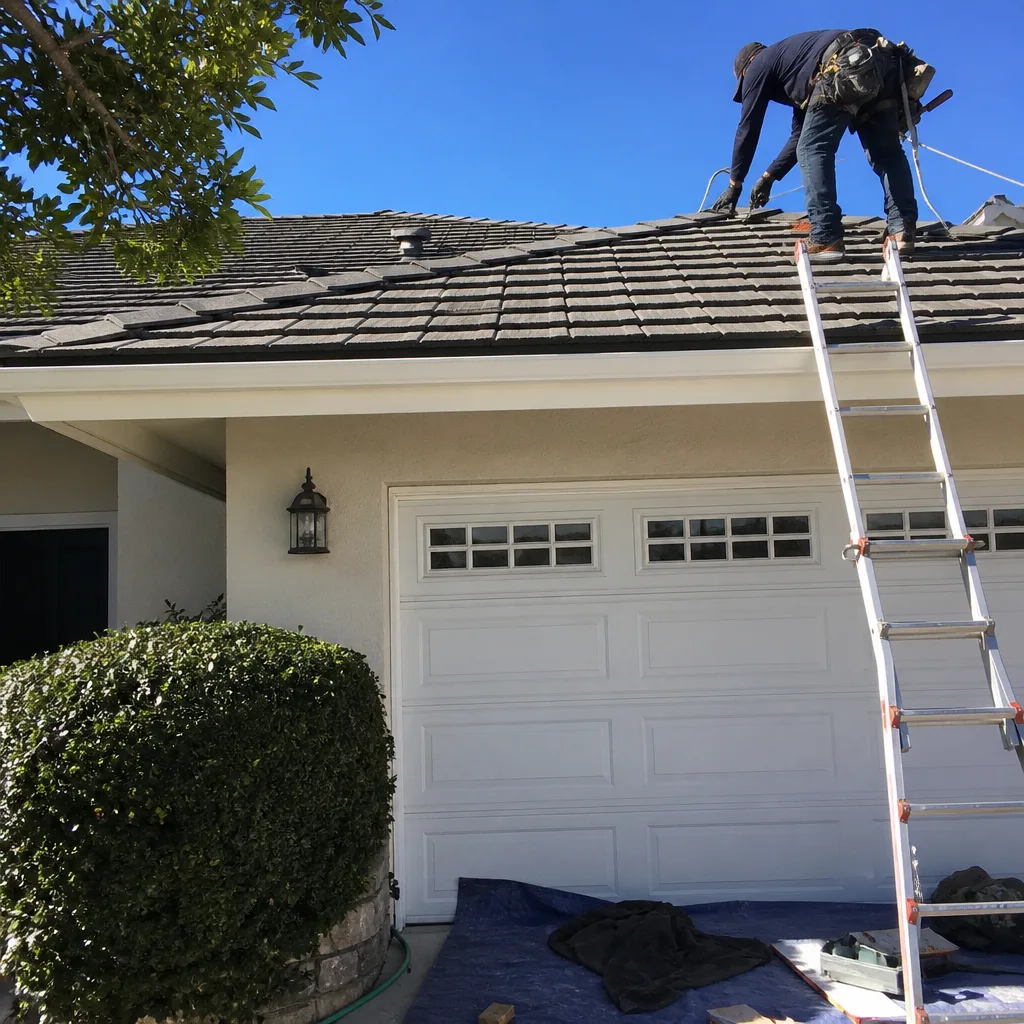
Any contractor who quotes a roof without stepping onto it is not doing the job that was asked. A professional inspection before a quote serves two purposes: it documents what’s wrong now, and it surfaces what’s likely to fail soon. At Sunridge Roof Repair, we treat roof inspection as a standalone service, not a top-of-funnel loss leader. That matters because it means the diagnosis is not attached to a sales quota. An inspection should cover at least these items:
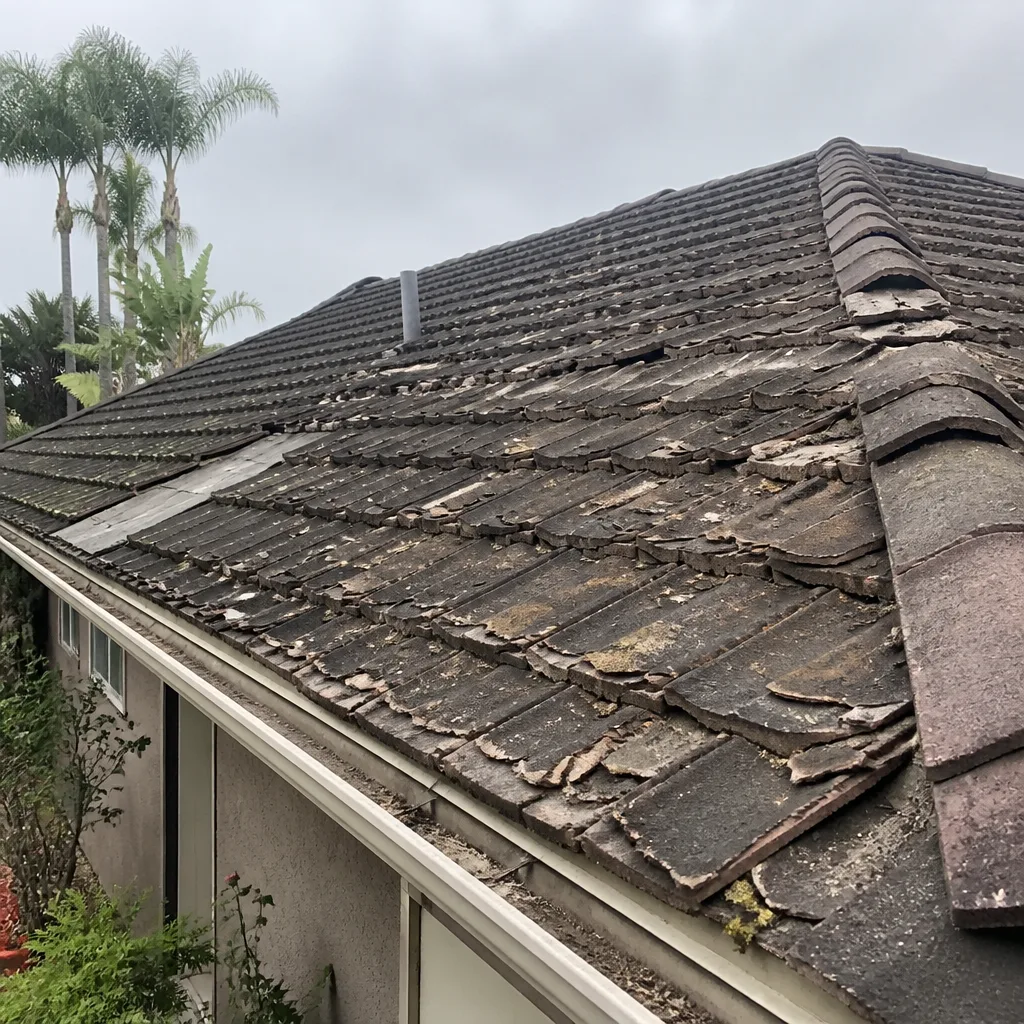
- Overall surface condition: missing, cracked, or curling shingles, granule loss, and any signs of impact from Santa Ana wind debris.
- Flashing condition: metal delamination, rust, and sealant failure at chimneys, skylights, and wall transitions.
- Penetrations: pipe boots, vent caps, and any rooftop equipment mounts.
- Underlayment exposure: visible in attic spaces or at eave edges, especially on low-slope sections.
- Drainage patterns: standing water, clogged drains, or areas where debris accumulates and holds moisture against the roof surface.
- Interior signs: water stains on ceilings, elevated moisture readings in the attic, and any daylight visible through the roof deck.
A contractor who skips the inspection before quoting will almost certainly discover “unforeseen conditions” after you sign. Our Roof Repair Troubleshooting: Common Problems and How to Fix Them explains how to spot red flags early. Some unforeseen conditions are legitimate. Roof decking can be rotten underneath, and you can’t see it until the old roof comes off. But a contractor who inspected thoroughly would have warned you that this was a possibility and documented it in the bid as a contingency. A contractor who never looked can claim anything and you have no way to dispute it.
Contract Terms That Protect You in California
The contract is where hiring decisions get won or lost, long after the crew has gone home. California has some of the strongest consumer protection laws for construction contracts in the country, but those laws only help if the contract is written correctly. Here are the terms we recommend every Newport Beach homeowner verify before signing.
Payment schedule
California law limits the down payment for a home improvement contract to 10% of the total project price or $1,000, whichever is less. Any contractor asking for more than that before work begins is operating outside the rules. After that, progress payments should be tied to completed milestones: tear-off complete, underlayment installed, final inspection passed. Never agree to a schedule that gets the contractor fully paid before the job is done and the city has signed off.
Permit responsibility
The contract should state clearly who pulls the permit. In nearly all cases, that responsibility belongs to the contractor, because the contractor is the one whose license number gets attached to the permit application. If a contractor suggests you pull the permit as the homeowner to “save money,” walk away. That arrangement typically means the contractor’s insurance won’t cover the project, and you’ve become the general contractor in the eyes of the city, which is exactly the legal exposure you were trying to avoid by hiring a professional.
Lien waivers
When a contractor buys materials from a supplier and doesn’t pay that supplier, the supplier can place a mechanic’s lien on your property, and you end up paying twice. The protection against this is a lien waiver, signed by the contractor and each significant subcontractor or supplier, releasing their right to lien your property upon payment. Ask that the contract includes language requiring conditional and unconditional lien waivers at each payment milestone. In our work, this is standard practice on every roof replacement, not an optional add-on.
What the warranty actually covers
A warranty is not a marketing phrase. It should be written, specific, and identify what is covered, for how long, and who is responsible for labor versus material. Manufacturer warranties cover the shingle or material itself, prorated over time. Workmanship warranties cover the installation, and that’s the contractor’s obligation. Ask what happens in year five if a leak appears at a flashing detail that was installed wrong. The answer tells you whether the warranty is real or decorative.
Step-by-Step Hiring Checklist
When you’re ready to make the decision, here is the sequence we recommend, condensed from everything above. Follow our Roof Repair Maintenance Checklist for Newport Beach Homeowners to stay organized.
- Verify the license. Look up the contractor on the CSLB website. Confirm C-39 classification and active status.
- Verify insurance. Request a certificate of insurance naming you as the certificate holder. Confirm general liability and workers’ compensation coverage.
- Ask the six interview questions. License class, manufacturer relationships, flashing protocol, underlayment spec, inspection commitment, and local references.
- Get at least two itemized bids. Compare line by line. Do not compare bottom-line numbers in isolation.
- Review the contract for the four protective clauses. Payment schedule, permit responsibility, lien waivers, and warranty language.
- Confirm what happens when the old roof comes off. Get in writing how unforeseen decking rot or structural issues will be priced and approved before additional costs are incurred.
- Make the decision and sign. Then let the contractor handle the rest.
Common Mistakes to Avoid
- Choosing a contractor based on the lowest bottom-line number. A low bid that omits underlayment upgrades, proper coastal flashing, or permit fees isn’t cheaper. It’s just delaying the cost until after the work starts.
- Not confirming license classification. A B-license with roofing experience is not the same as a C-39 roofing specialist. The exam, the experience requirement, and the day-to-day focus are different.
- Skipping the pre-job inspection. You’d never agree to surgery without a diagnosis. A roof replacement is the same kind of decision. If the contractor won’t look before quoting, you’re not getting a real quote.
- Accepting a vague proposal. “Remove and replace roof” is not a scope of work. It’s a headline. A legitimate proposal names products, quantities, and specific details.
- Not asking about salt-air corrosion. In Newport Beach, standard galvanized flashing fails faster than many homeowners realize. If your contractor hasn’t thought about this, they haven’t done much coastal work.
- Paying too much upfront. California caps the initial deposit at 10% or $1,000. Anything beyond that is a warning sign, not a convenience.
- Forgetting the lien waiver. A supplier you never met can place a lien on your home if the contractor doesn’t pay them. Lien waivers at every payment are the insurance policy against that.
When to Call a Professional
Some roofing issues are obvious from the ground: missing shingles, sagging ridgelines, water stains on the ceiling. Others are only visible from the roof itself, and by the time you can see them from your driveway, they’ve been progressing for months. Any of the following means it’s time to call a Newport Beach roofing specialist: you notice granules collecting in your gutters, the roof is past fifteen years old and hasn’t been inspected, you see daylight peeking through the attic, or a neighbor’s roof was just replaced and you realize yours is the same age. Roof repair done early is always cheaper than replacement done late. Sunridge Roof Repair offers free estimates in Newport Beach. Call (833) 589-5180 and we’ll start with an inspection, not a sales pitch.
Frequently Asked Questions
A standard asphalt shingle roof replacement in Newport Beach typically runs between $12,000 and $25,000 depending on square footage, roof complexity, material choice, and whether the old roof has one layer or two. Higher-end materials like metal or tile push the number up from there. For an exact quote based on your specific roof and material preferences, call (833) 589-5180 and we’ll provide a free itemized estimate, usually after a single visit.
Yes, the City of Newport Beach requires a building permit for roof replacement, and the permit fee gets folded into the project cost as a separate line item. The contractor should pull the permit on your behalf, and the final city inspection protects you by confirming the work meets current code.
A typical asphalt shingle roof replacement in Newport Beach takes two to five working days, depending on home size, roof complexity, and weather. Tile or metal replacements can take longer. The contractor should give you a written timeline in the contract and update you if inspections cause scheduling adjustments.
A C-39 license is a roofing-specific classification requiring demonstrated roofing experience and a roofing-focused exam. A B license is a general building contractor classification covering many trades, with roofing being just one of them. For a roof replacement or significant repair, always verify C-39 specialization.
In many cases, yes. Minor leaks around flashing, isolated shingle damage, and small penetration failures can often be repaired effectively without replacing the whole roof. That’s why we inspect before we recommend. The decision should be based on roof condition, age, and the extent of damage, not on which option generates more revenue for the contractor.
A legitimate warranty separates manufacturer material coverage from contractor workmanship coverage. Material warranties come from the brand and are prorated. Workmanship warranties come from the contractor and cover installation defects. Ask what the contractor will do in year five if a flashing detail leaks, and get the answer in writing.
The Bottom Line
Hiring a roofing contractor in Newport Beach is not about finding the cheapest bid or the biggest marketing presence. It’s about finding someone who actually knows roofs and understands what marine air does to them over time. Verify the C-39 license. Ask the coastal questions. Read the bid line by line. Insist on the inspection before the quote. Put the protective clauses in the contract. Do those things, and the risk of a bad roof job drops dramatically. If you’d like to start with a straightforward inspection and an honest conversation about what your roof needs, call Sunridge Roof Repair at (833) 589-5180. We’ll look first, listen second, and recommend only what the roof actually needs. Visit our Sunridge Roof Repair home page or schedule a roof inspection to get started.
Written by the team at Sunridge Roof Repair, serving Newport Beach since 2011.
See the difference
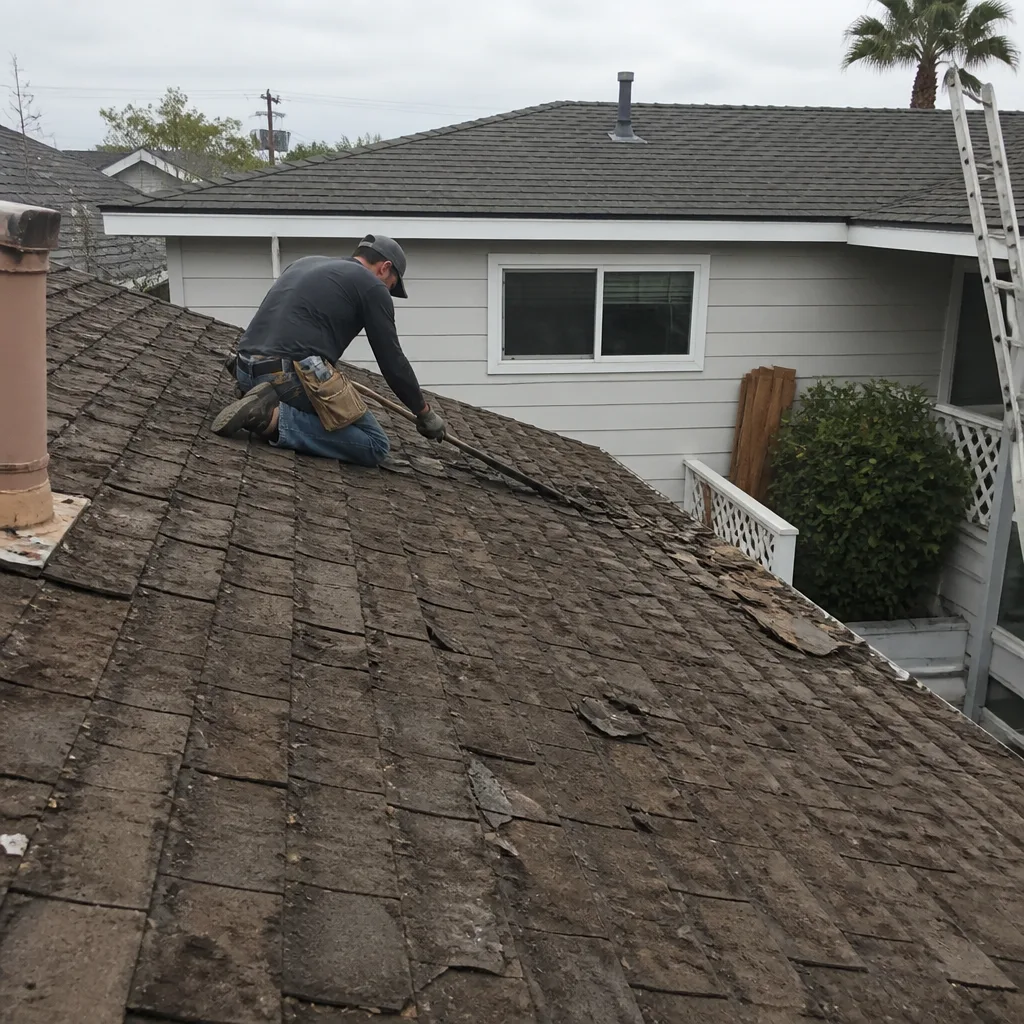 Before
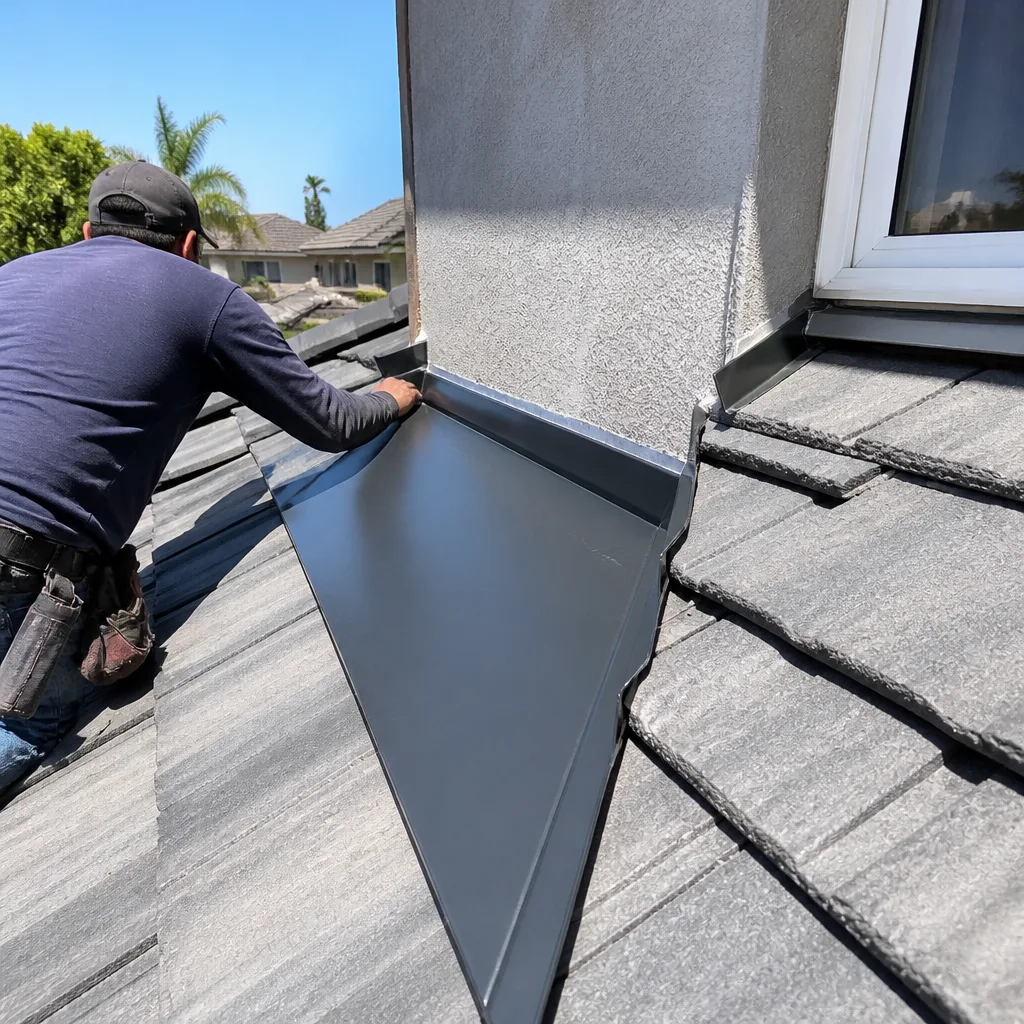 After
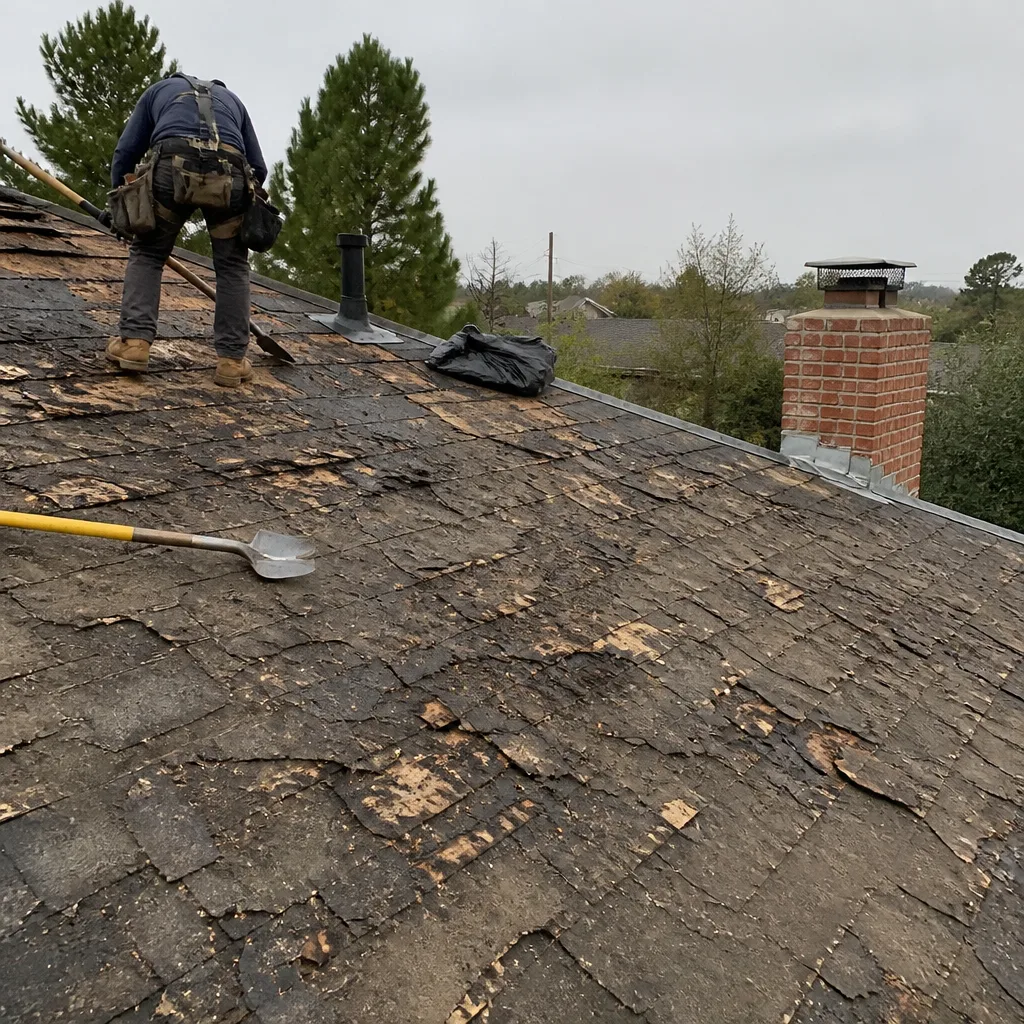 Before
 After
 Before
 After