
Last updated October 30, 2026
 Architectural shingles
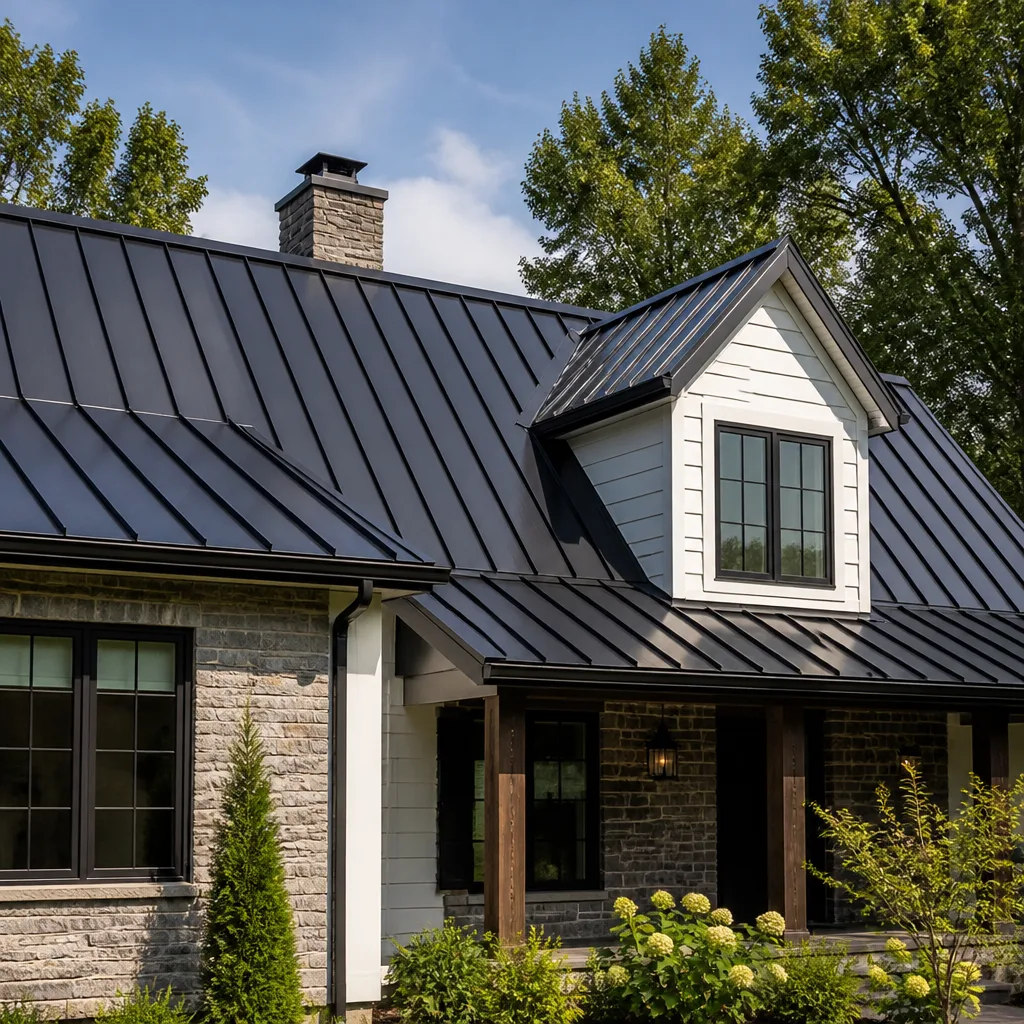 Metal roofing
 Tile roofing
 GAF
 Owens Corning
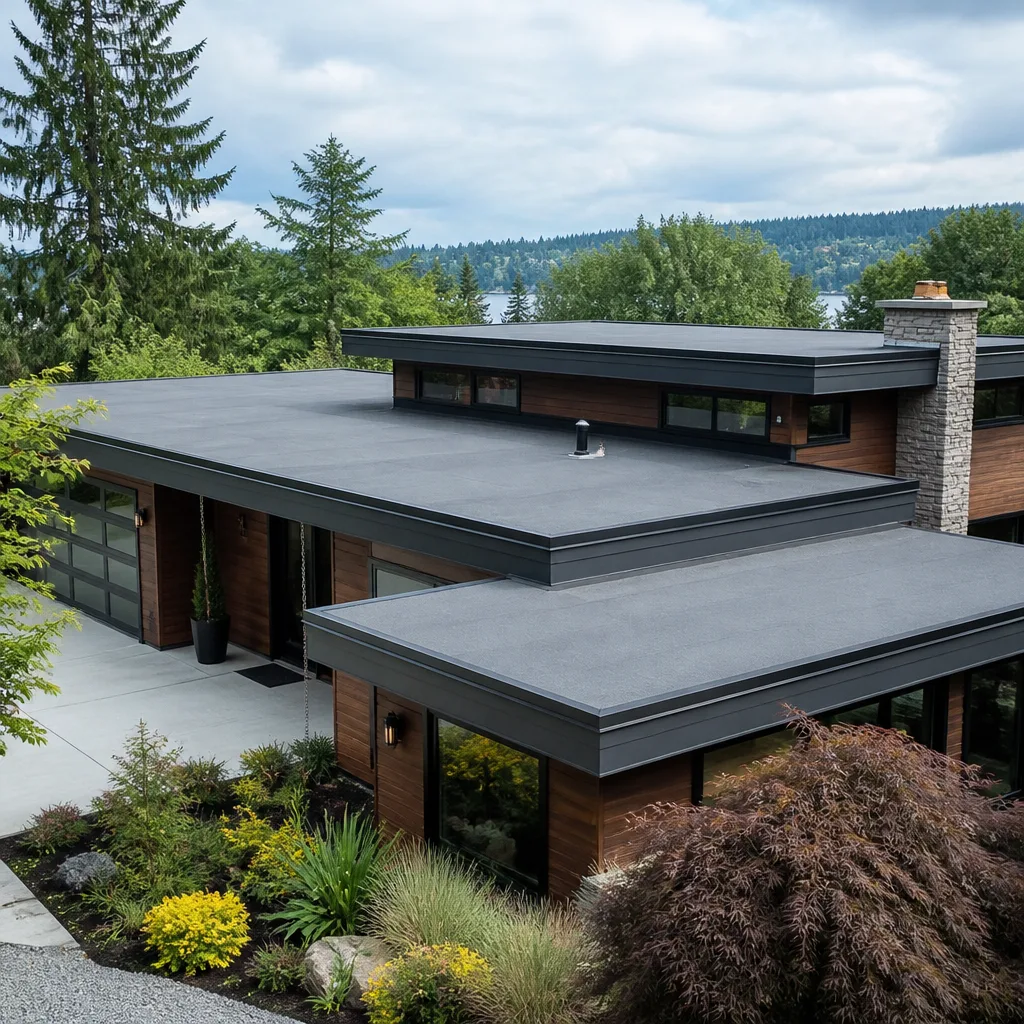 Flat & low-slope
Free roof inspection with deck photos before we talk money - GAF and Owens Corning certified installation
Roof Repair Maintenance Checklist for Newport Beach Homeowners
The most common reason Newport Beach homeowners end up paying for an emergency roof repair isn’t a dramatic storm or a fallen tree. It’s a maintenance task that was done on the wrong schedule, or skipped entirely because nothing looked wrong from the ground. By the time water shows up on a bedroom ceiling, the failure started months earlier, usually at a flashing point or a corroded fastener that no one ever physically checked. This guide is built around what actually fails on Newport Beach roofs, when it fails, and what you can do about it—whether through our Roof Repair services or preventive maintenance—before a small issue becomes a five-figure replacement. You’ll learn a month-by-month schedule tied to our actual coastal climate patterns, which tasks you can do safely from the ground, and which ones genuinely need a trained eye.
Styles & brands we work with
Quick Answer
A roof maintenance checklist for Newport Beach should follow the coastal calendar: clean debris from valleys and scuppers after spring marine-layer months, inspect fasteners and flashings for salt corrosion before Santa Ana season in September, and complete a full professional inspection before the winter rain window. The checklist separates ground-level visual checks, ladder-level physical inspections, and tasks that should always go to a licensed roofing contractor. Homeowners who photograph their roof twice a year typically catch minor failures 12 to 18 months before they become leaks.
Table of Contents
- Why Newport Beach Roofs Fail Differently
- The Month-by-Month Maintenance Calendar
- Ground-Level vs. Ladder vs. Call a Roofer: Task Classification
- Salt Corrosion: The Silent Fastener Killer
- Debris Management for Newport Beach Tree Canopies
- Documenting Your Roof Condition Over Time
- Common Mistakes to Avoid
- When to Call a Professional
- Frequently Asked Questions
- The Bottom Line
Why Newport Beach Roofs Fail Differently
Newport Beach sits in a narrow coastal zone where three environmental forces collide on every roof surface. First, you have marine-layer moisture that settles overnight for much of the late spring and early summer. Second, you have a near-constant salt aerosol carried in from the Pacific, which accelerates galvanic corrosion on metal components. Third, you have the seasonal Santa Ana winds that arrive in the fall, carrying dry heat and fine particulate that strips protective oils from certain roofing materials. A roof in Corona or Irvine simply does not face the same combination.
What does this mean practically? Fasteners that would last 30 years inland can show significant corrosion in 12 to 15 years here. Flashing joints that rely on sealant can fail in half their rated lifespan because salt degrades the polymer bond. And low-slope sections common on Newport Beach architectural styles, especially mid-century moderns in Corona del Mar and coastal contemporaries in Lido Isle, trap moisture longer than steeper slopes in other Orange County cities. This is why a generic maintenance checklist written for “Southern California” misses the actual failure points.
We inspect before we recommend, and inspection data from coastal homes consistently shows that the first component to fail is rarely the roofing material itself. It’s the metal: pipe boots, valley flashing, drip edge, and the nails or screws holding everything together. Understanding this shifts your maintenance priorities. You are not just looking for missing shingles. You are looking for the early signs that metal components are losing their protective coating and sealants are beginning to crack or pull away.
The Month-by-Month Maintenance Calendar
Newport Beach has a predictable but unusual seasonal rhythm compared to the rest of the country. We do not have a freezing winter or a true monsoon season. Instead, we have a long summer marine layer, a dry and windy fall, and concentrated winter rain. The maintenance calendar below is built around that reality.
January and February: Post-Rain Assessment
These are typically the wettest months in Newport Beach, though rainfall totals have shifted noticeably in recent years. Your job during this window is observation, not repair. After any significant rain, walk your interior ceilings and check for water staining, especially around chimneys, skylights, and the transitions where walls meet ceiling. Exterior checks should focus on whether water is draining properly from scuppers and gutters. If you see water beading or pooling on a low-slope section more than 48 hours after rain stops, that is a drainage problem worth documenting and addressing.
March and April: Post-Winter Cleaning
Once the rainy season tapers off, debris that accumulated over winter needs to be removed before it has time to break down and hold moisture. Eucalyptus leaves are particularly problematic because they are dense, oily, and slow to decompose, creating localized ponding that accelerates granule loss on asphalt shingles. This is also the window to check for any displaced tiles or lifted shingles that winter winds may have loosened. A roof inspection in the spring catches issues early enough to schedule repairs during our dry, mild shoulder season. For help identifying problems, see our Roof Repair Troubleshooting: Common Problems and How to Fix Them.
May and June: Marine-Layer Moisture Watch
This is the least obvious maintenance season in Newport Beach, and the one most homeowners ignore. The marine layer settles in reliably, often not burning off until late morning or early afternoon in coastal neighborhoods like Balboa Peninsula and Newport Heights. That means roof surfaces stay damp for hours each day, even without rain. Moisture trapped under tiles or in low-slope areas creates the perfect environment for sealant degradation and fastener corrosion. You should visually inspect all exposed sealant joints, pipe boot bases, and flashing junctions during this period. Look for cracking, separation, or a whitish, chalky film that indicates the sealant is breaking down from salt exposure.
July and August: Full Physical Inspection Season
Summer is the best time for a comprehensive professional roof inspection in Newport Beach. The weather is dry, the marine layer is less persistent than late spring, and you have several months before the first real rain arrives. This is when you should schedule ladder-level physical checks of every fastener, flashing point, and sealant joint. A professional will check nail heads for early corrosion, test flashings for adhesion, and identify granule loss on shingle surfaces. If repairs are needed, summer scheduling means the work gets done before the fall and winter weather puts your roof to the test. This is also the season when Roof Inspection in Lynwood demand peaks, as homeowners realize winter is approaching faster than expected.
September and October: Pre-Santa Ana Preparation
Santa Ana winds typically begin in September or October and can persist through early winter. These winds are not just a debris concern, they are also a mechanical stress event. Gusts can reach 40 to 60 mph in exposed locations, lifting shingles and tiles at their edges. Before Santa Ana season starts, walk your property and look for any roofing material that appears even slightly lifted. Pay special attention to ridge caps, hip lines, and the leading edges of shingle courses. If you have loose debris on the roof from summer, now is the time to remove it, because Santa Ana winds will turn a loose palm frond into a battering ram against granules and tile surfaces.
November and December: Pre-Winter Drainage Verification
Before our winter rain window, you need to verify that everything drains correctly. Check all gutters and downspouts for blockage. Check scuppers and overflow drains on low-slope and flat sections. Check that water will flow away from the foundation. This is also the moment to complete any repair that was identified during summer inspection but deferred. Waiting until the first big storm means paying emergency rates and risking interior water damage. A proactive Roof Repair in Lynwood call in November prevents a panic call in January.
Ground-Level vs. Ladder vs. Call a Roofer: Task Classification
Most roof maintenance guidance does not distinguish between what a homeowner can safely handle and what genuinely requires professional training. This gap leads to two bad outcomes: homeowners attempting dangerous ladder work, or homeowners avoiding important maintenance because they assume everything requires a contractor. Here is the classification that matters for Newport Beach homes.
Ground-Level Tasks: Safe for Homeowners
These are tasks you can perform without leaving the ground or climbing more than a step or two:
- Visual roof scans from the property line: Walk the perimeter of your home at different times of day and look for obvious issues: missing shingles, lifted edges, displaced tiles, visible sagging.
- Gutter downspout checks: Run water through downspouts with a garden hose to verify drainage. Clear any visible blockage at the mouth.
- Interior ceiling inspection after rain: Check every room for water staining, bubbling paint, or drywall discoloration, especially around chimneys and skylights.
- Debris observation: Note where tree debris accumulates on the roof surface and how long it remains after winds subside.
Ladder-Level Tasks: Requires Confidence and Proper Equipment
These tasks require a ladder and some comfort with heights, but they do not involve walking on the roof surface:
- Gutter cleaning from a ladder: Remove accumulated debris from gutters and verify that water flows toward downspouts rather than pooling.
- Edge and eave inspection from a ladder: Closely examine the leading edge of the roofline, where lifting and wind damage typically start.
- Roof edge debris removal: Carefully remove branches, palm fronds, or other large debris from the roof edge using a tool, not by climbing onto the surface.
Call a Roofer: Always Professional
These tasks are not appropriate for homeowner execution, both for safety reasons and because they require trained judgment:
- Walking on the roof surface: Every step on a roof risks damaging materials and, more importantly, creates a fall hazard. Professionals use proper footwear, safety equipment, and understand load distribution.
- Inspecting flashings and fasteners up close: These components hide subtle failures that only reveal themselves through physical manipulation, something a trained roofer does as second nature.
- Sealant and fastener repair: Applying sealant incorrectly traps moisture and accelerates failure. Fastener replacement requires matching the right metal to avoid galvanic corrosion.
- Any work on low-slope or flat sections: These areas often hide ponding water, weakened decking, and failing membranes. They are the most dangerous surfaces on any roof.
- Post-storm damage assessment: After any significant storm, a professional inspection identifies structural damage that is not visible from the ground or a ladder.
Our experience with Sunridge Roof Repair home inspections in coastal Orange County consistently shows that homeowners who attempt roof-surface work create as many problems as they solve. A loose tile stepped on becomes a cracked tile. A sealant applied over dirt traps moisture against metal. The math rarely works in favor of DIY for anything beyond ladder-level tasks.
Salt Corrosion: The Silent Fastener Killer
Fastener corrosion is the single most overlooked failure point on Newport Beach roofs, primarily because you cannot see it from the ground and most homeowners never think about it. By the time a corroded nail or screw becomes visible, it has already been failing for years.
Here is what happens. Roofing fasteners, whether nails on asphalt shingle systems or screws on metal and tile systems, are manufactured with protective coatings, typically galvanized zinc or a polymer finish. Salt aerosol from the ocean settles on the roof surface and mixes with dew and marine-layer moisture. This creates a mild saline solution that sits in contact with fastener heads for hours at a time. The salt accelerates the breakdown of the protective coating, and once that coating is compromised, the base steel begins to corrode. In severe cases, fastener heads literally rust away, leaving shingles or tiles unsecured.
The timeline varies by location within Newport Beach. Homes within a mile of the ocean, particularly on Balboa Peninsula, Lido Isle, and the Newport Shores neighborhoods, see the fastest corrosion rates. Homes further inland, like those in Newport Coast or the upper elevations of San Joaquin Hills, experience slower but still elevated rates compared to inland Orange County cities. A fastener that would last 25 years in Irvine can fail in 12 to 15 years in coastal Newport Beach.
This is why physical inspection matters. You cannot see fastener corrosion from the ground. A roofer physically lifts shingle tabs, checks nail heads, and tests the integrity of screws on metal and tile systems. We have seen roofs in Newport Beach that looked perfect from the ground but had dozens of corroded fasteners across the field, waiting for a strong wind to strip entire courses of material.
Prevention is possible but limited. You can slow corrosion by keeping roof surfaces clean, because debris holds salt-laden moisture against fasteners longer. You can also choose corrosion-resistant fasteners when installing a new roof, and specific brands available through our supplier network, including GAF and CertainTeed systems, offer enhanced fastener specifications for coastal environments. But for an existing roof, the realistic strategy is inspection and early replacement of failing fasteners before they cause material loss.
Debris Management for Newport Beach Tree Canopies
The tree canopy in Newport Beach is both a defining aesthetic and a persistent maintenance burden. Eucalyptus, palm, pepper, and pine species dominate the local landscape, and each presents its own debris problem for roof surfaces.
Eucalyptus leaves are the most damaging. They are dense, narrow, and oily, which means they do not blow away easily once they land in roof valleys, behind chimneys, or along roof-wall intersections. A pile of eucalyptus leaves holds moisture against the roof surface, and that moisture accelerates both granule loss on asphalt shingles and fastener corrosion beneath. The oils in eucalyptus can also stain certain roofing materials and degrade sealant bonds over time.
Palm fronds present a different problem. A single frond can weigh several pounds, and when Santa Ana winds lift a frond and drop it repeatedly on the roof surface, it acts like a hammer. We have seen fronds crack concrete tile and strip granules from asphalt shingles in a single wind event. Palm debris also clogs gutters and scuppers quickly because the fibrous material tangles and traps smaller debris.
Pine needles are often underestimated. They are small enough to slip through gutter guards and accumulate in valleys and behind flashing points. Because they are acidic, pine needles accelerate the degradation of metal components they touch, including flashing and fasteners.
The cleaning guidance is straightforward. Remove large debris like palm fronds and branches promptly, ideally after each significant wind event, not on a monthly schedule. For smaller debris like leaves and needles, establish a seasonal cleaning rhythm keyed to our climate: clean after the spring drop in March and April, again in late summer before Santa Ana season, and a final pass in November before winter rain. Homes with heavy tree cover directly over the roof may need more frequent attention.
When debris sits on a roof for months, the damage compounds. The pile holds moisture. The moisture degrades materials. The degraded materials allow water intrusion. The water intrusion damages decking and insulation. What started as a free cleanup task becomes a repair bill measured in thousands. This is the unglamorous reality of roof maintenance in Newport Beach, and most of it is preventable with a consistent schedule.
Documenting Your Roof Condition Over Time
A maintenance checklist has more value when it is paired with a documentation habit. Photographic records of your roof condition serve three purposes: they help you track changes over time, they provide evidence for insurance claims after storm damage, and they create a defensible disclosure record if you sell your home.
The documentation system we recommend is simple. Twice a year, photograph the roof from every angle you can access at ground level. Use the same positions each time so the images are comparable. Walk the property perimeter and shoot the roof from each corner, from the front and back yards, and from any second-story window that provides an elevated angle. After any significant storm or wind event, repeat the process and compare against your baseline images.
What should you photograph specifically? Focus on known trouble spots: all flashing points, including chimneys, skylights, vent pipes, and roof-wall intersections. Capture the condition of the roof edge along all eaves and rakes. Document any areas where debris regularly accumulates. If you have a low-slope or flat section, photograph it from any angle that shows ponding or drainage patterns.
Date-stamp your photos. Most smartphone cameras do this automatically, but it is worth verifying. Create a dedicated folder on your phone or computer, organized by date, and store it somewhere backed up. If you eventually sell your home, a documented maintenance history with visual evidence communicates that the roof was cared for, which is a meaningful signal in the Newport Beach real estate market.
For insurance purposes, this documentation is invaluable. After a storm, you can demonstrate the roof’s condition immediately before the event, which makes it easier to distinguish pre-existing wear from storm-caused damage. Many Newport Beach homeowners discover that Insurance carriers respond differently when presented with clear visual evidence of baseline condition.
Professional inspections complement this documentation. When you schedule a roof inspection with a dedicated roofing specialist, you receive a written report that can become part of your documentation file. These reports often identify issues that are not visible in photos, and having both photographic and professional records creates the most complete history.
Common Mistakes to Avoid
- Skipping the physical fastener inspection: Visual checks from the ground catch obvious damage, but they miss the component most likely to fail first in Newport Beach. Corroded fasteners are invisible until a roofer lifts materials and checks them directly. Get a physical inspection at least every two years, ideally annually.
- Cleaning debris on a quarterly schedule instead of a seasonal one: A fixed quarterly schedule does not match our climate patterns. You need cleaning after the spring drop, before Santa Ana season, and before winter rain. Timing matters more than frequency.
- Painting over water stains without investigating: A fresh coat of ceiling paint does not fix a roof leak, and it removes the visible evidence that helps a roofer trace the water entry point. Investigate first, repair the roof, then repaint.
- Applying sealant over existing sealant: New sealant over cracked sealant creates a sandwich that fails on both layers. The old sealant must be removed before new material is applied. This is a job for a professional who knows which sealants are compatible with which materials.
- Ignoring the scuppers on low-slope sections: Newport Beach has a significant inventory of homes with low-slope and flat roof sections. Scuppers and overflow drains are the only drainage path on these surfaces, and a blocked scupper means ponding water, which accelerates membrane failure.
- Treating the roof as a set-and-forget component until something leaks: By the time water shows up inside, the failure has often been developing for a year or more, and the repair cost is higher than early intervention would have been. A maintenance mindset beats a reaction mindset every time.
- Hiring a generalist contractor for roof work: Roofing is a specialized trade. A generalist who “also does roofs” lacks the depth of experience needed to diagnose coastal corrosion, coating failure, and material-specific issues. You want a contractor whose entire focus is roofing, not one who splits attention across siding, gutters, and windows.
When to Call a Professional
Specific scenarios should trigger an immediate call to a roofing specialist rather than continued observation. If you see water staining on an interior ceiling during or after rain, call. If you find shingles or tiles in your yard after a wind event, call. If you notice visible sagging anywhere on the roofline, call. If you see daylight through the roof deck from inside the attic, call. If your roof is 15 years old or older and has never had a professional inspection, the time to change that is now.
Sunridge Roof Repair offers free estimates in Newport Beach. If you are unsure whether what you are seeing is normal wear or an emerging problem, call (833) 589-5180 and we will assess it honestly. Repair when repair is right, replace when it’s not. That is the principle we operate on.
Frequently Asked Questions
Every 12 to 24 months, depending on your home’s exposure. Homes within a mile of the ocean, with heavy tree cover, or with roof systems older than 15 years should be inspected annually. Homes further inland with minimal tree cover and newer roofs can typically go 24 months between inspections. Always schedule an inspection after any significant storm or wind event, regardless of timing.
There are four indicators you can spot from the ground or from inside the home: missing or lifted shingles or tiles visible from the property line, water staining or bubbling on interior ceilings, granules accumulating in gutters or at downspout bases, and visible sagging along any roofline section. Any of these warrants a closer look from a professional.
Debris clearing and gutter cleaning generally cost between $150 and $400 depending on roof size and accessibility. Professional inspections are typically free as part of a service estimate or billed as a standalone service in the $200 to $400 range. Actual repairs vary based on the specific issues found, which is why a diagnosis is the right first step. Call (833) 589-5180 for an exact quote on your specific situation.
Salt aerosol from the ocean accelerates galvanic corrosion on metal fasteners and flashings, and marine-layer moisture creates repeated wet-dry cycles that degrade sealants and coatings faster than inland conditions. A maintenance schedule built for Irvine or Tustin will not address the components that actually fail in Newport Beach.
Gutter cleaning from a securely positioned ladder is a reasonable homeowner task. However, walking on the roof surface to remove debris is not recommended for anyone without professional training and safety equipment. Most roof-surface maintenance, including debris removal from valleys and low-slope sections, should be handled by a professional crew with the right equipment and fall protection.
The answer depends on the age of your roof, the extent of any damage, and the condition of the underlying decking and fasteners. A professional inspection is the only way to know with certainty. The right outcome is the one that addresses the actual problem at the best value, not necessarily the least expensive option. That is why Roof Replacement in Lynwood guidance always follows an inspection, not the other way around. Call (833) 589-5180 to schedule your free estimate and get honest guidance based on your roof’s actual condition.
The Bottom Line
A roof maintenance checklist for Newport Beach only works if it accounts for salt air, marine-layer moisture, seasonal debris, and Santa Ana winds. The month-by-month calendar keeps you ahead of our actual weather patterns. The task classification keeps you safe. The fastener and flashing focus addresses the components that actually fail here, not the ones homeowners tend to notice. Documenting your roof twice a year costs nothing and pays dividends in insurance claims and resale value. For more guides & resources on coastal roof care, explore our blog. The overriding principle is simple: inspect before you recommend, and repair before it leaks. If you maintain a consistent schedule and get professional eyes on your roof every 12 to 24 months, most emergency repair calls simply never happen.
Written by the team at Sunridge Roof Repair, serving Newport Beach since 2011.
See the difference
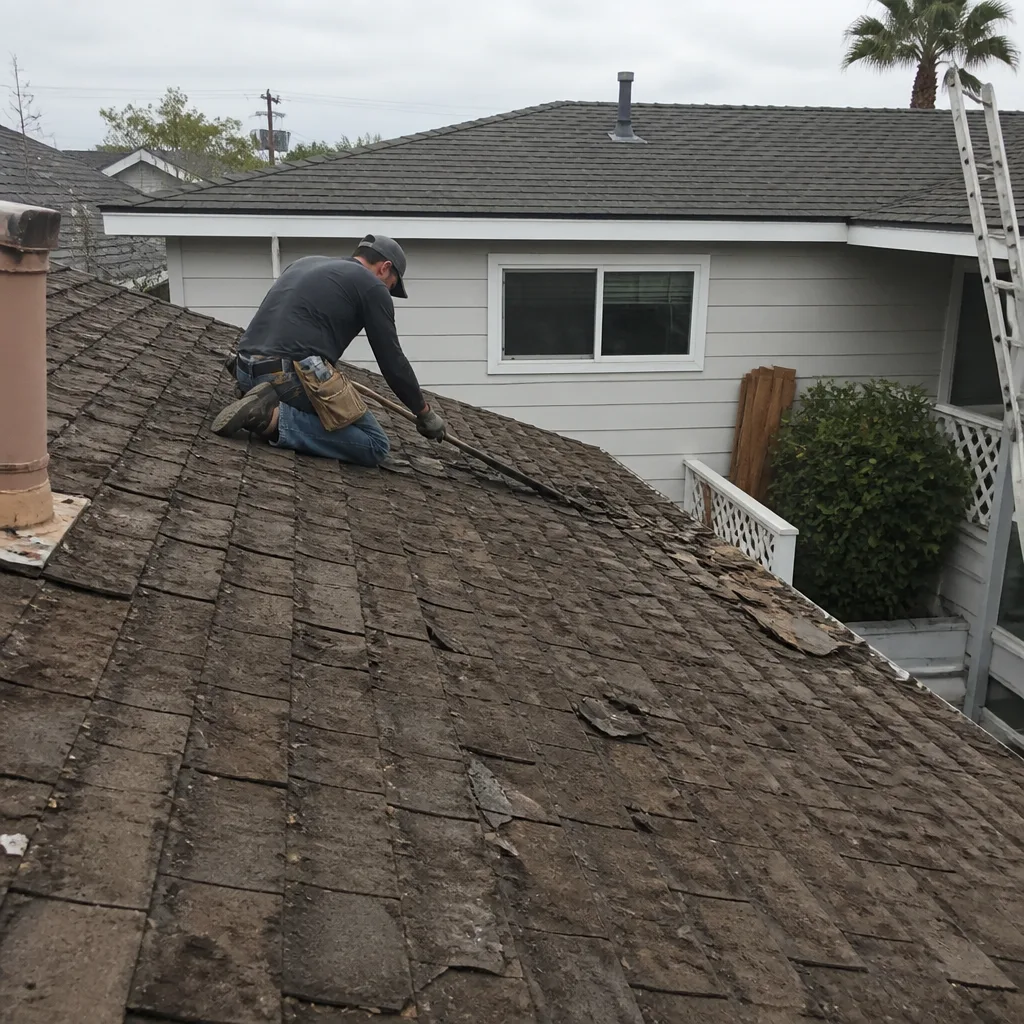 Before
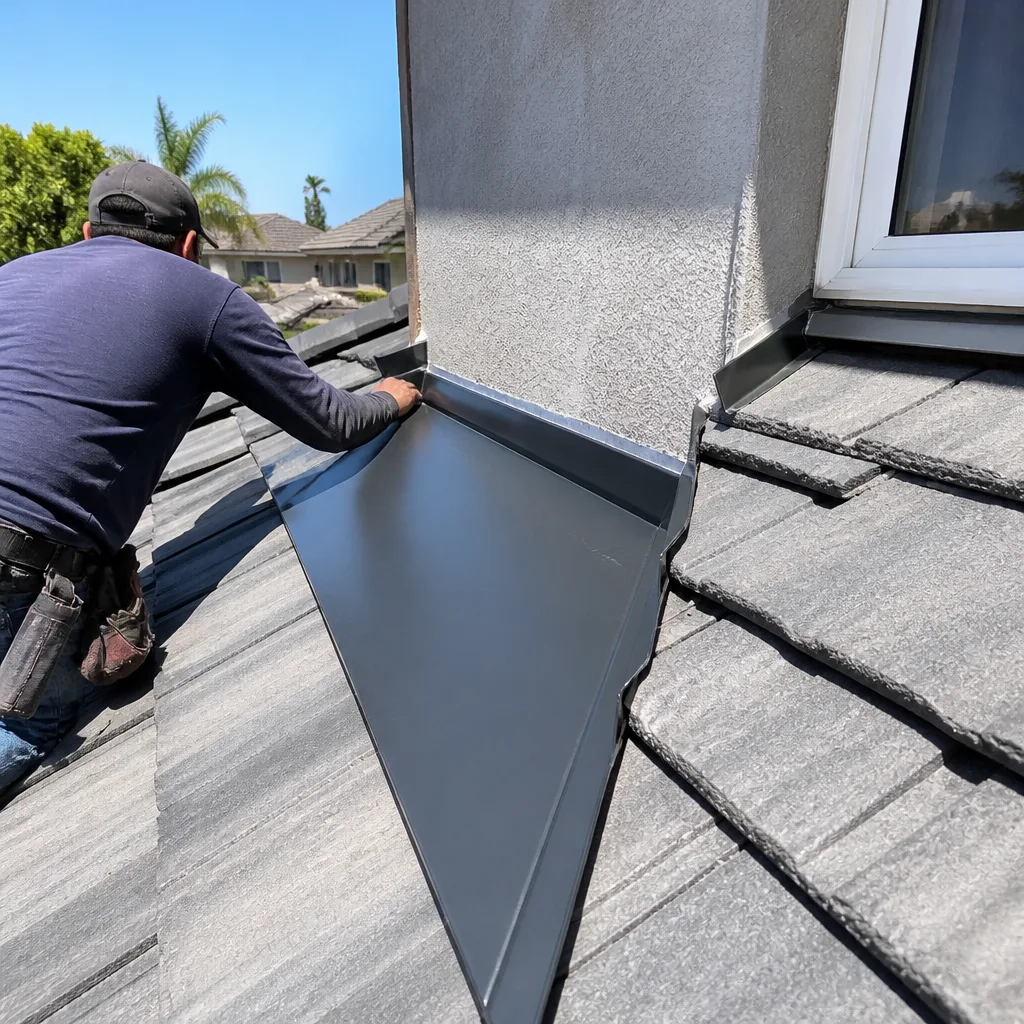 After
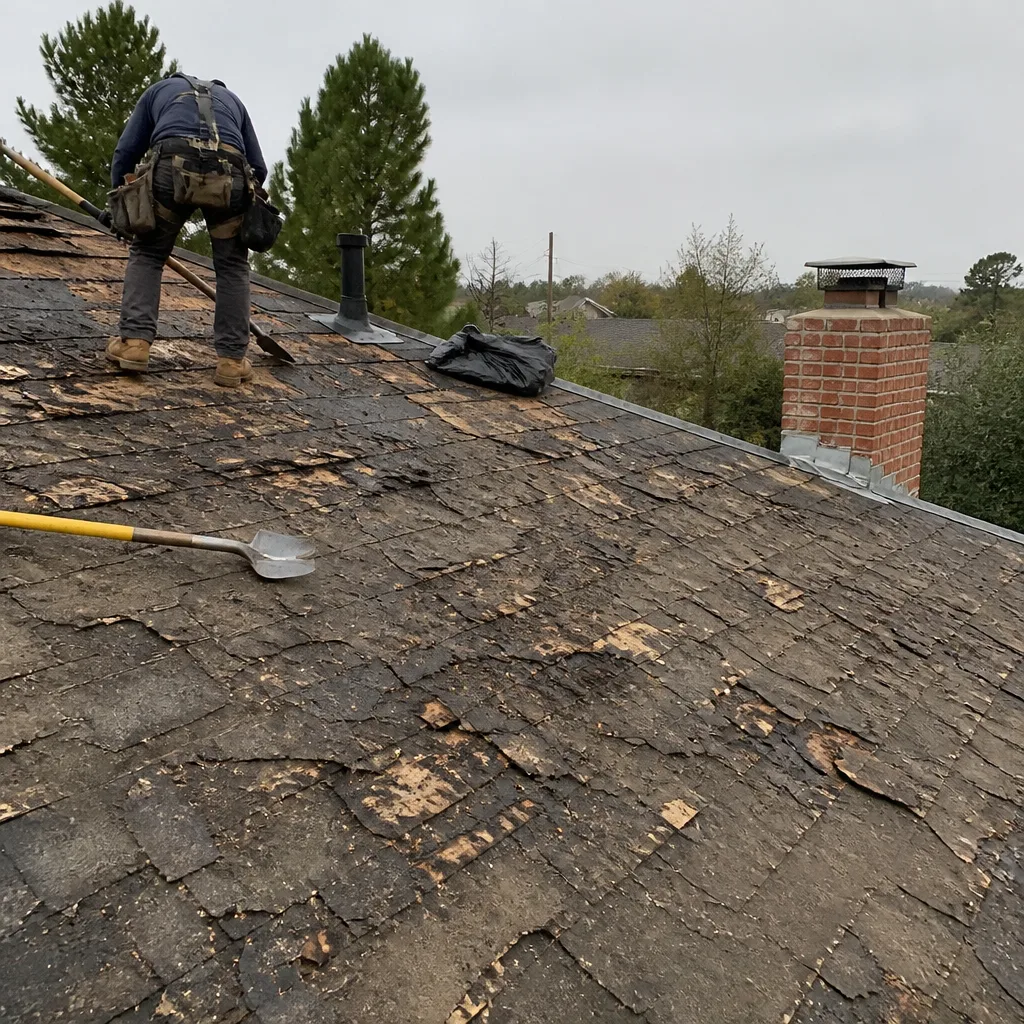 Before
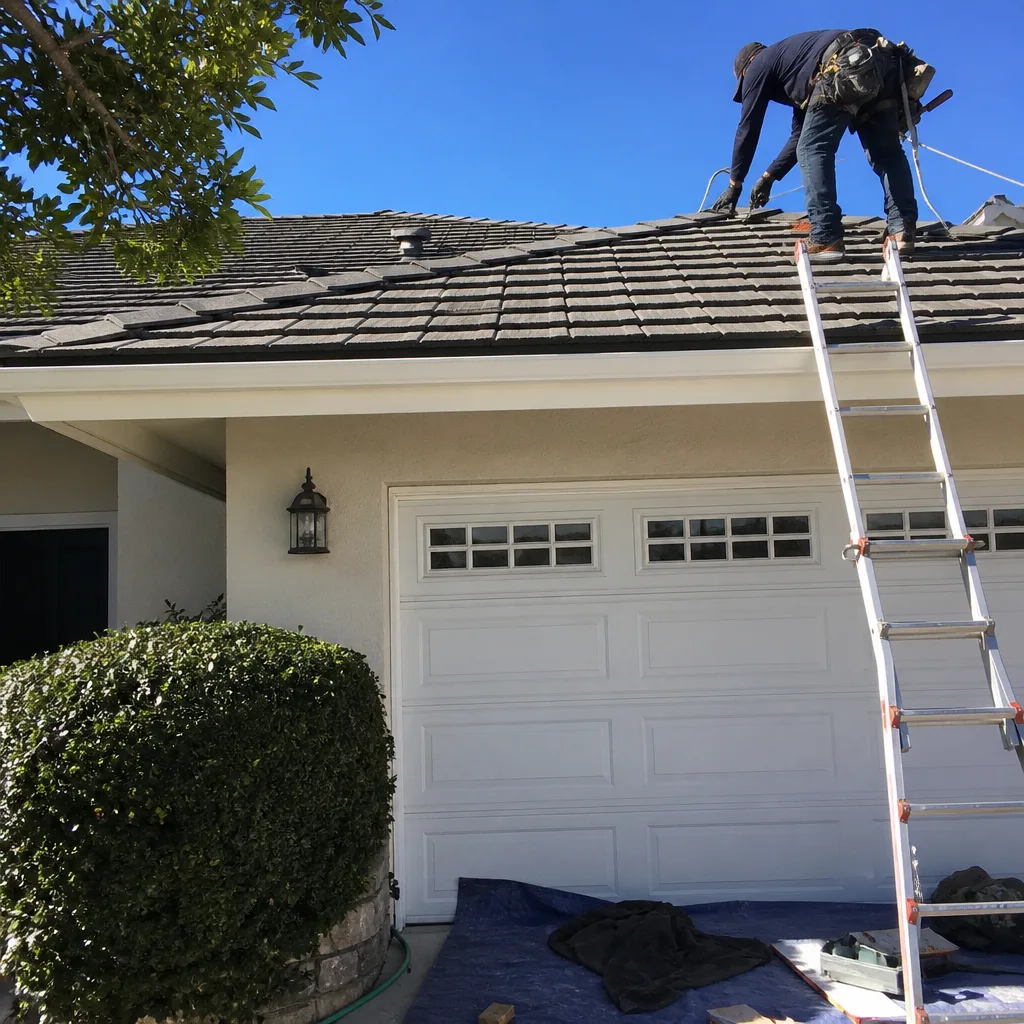 After
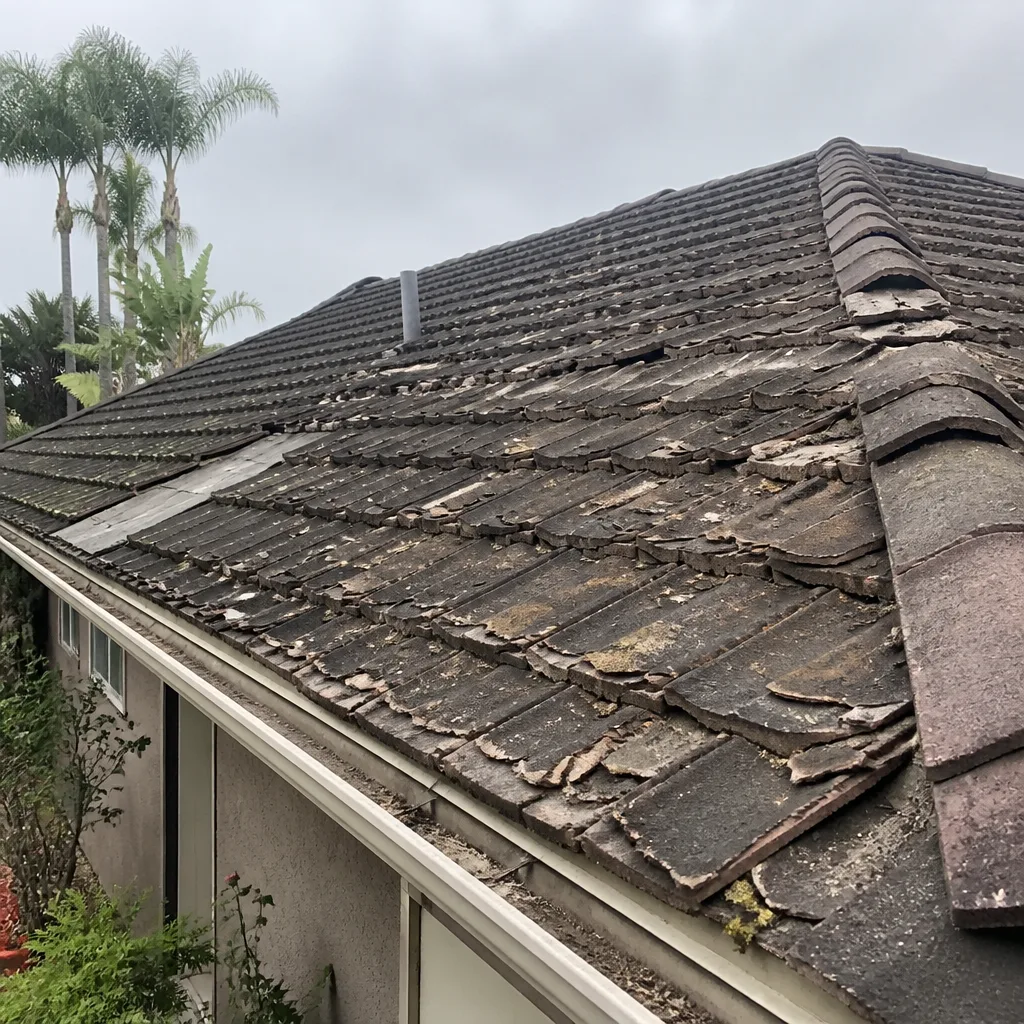 Before
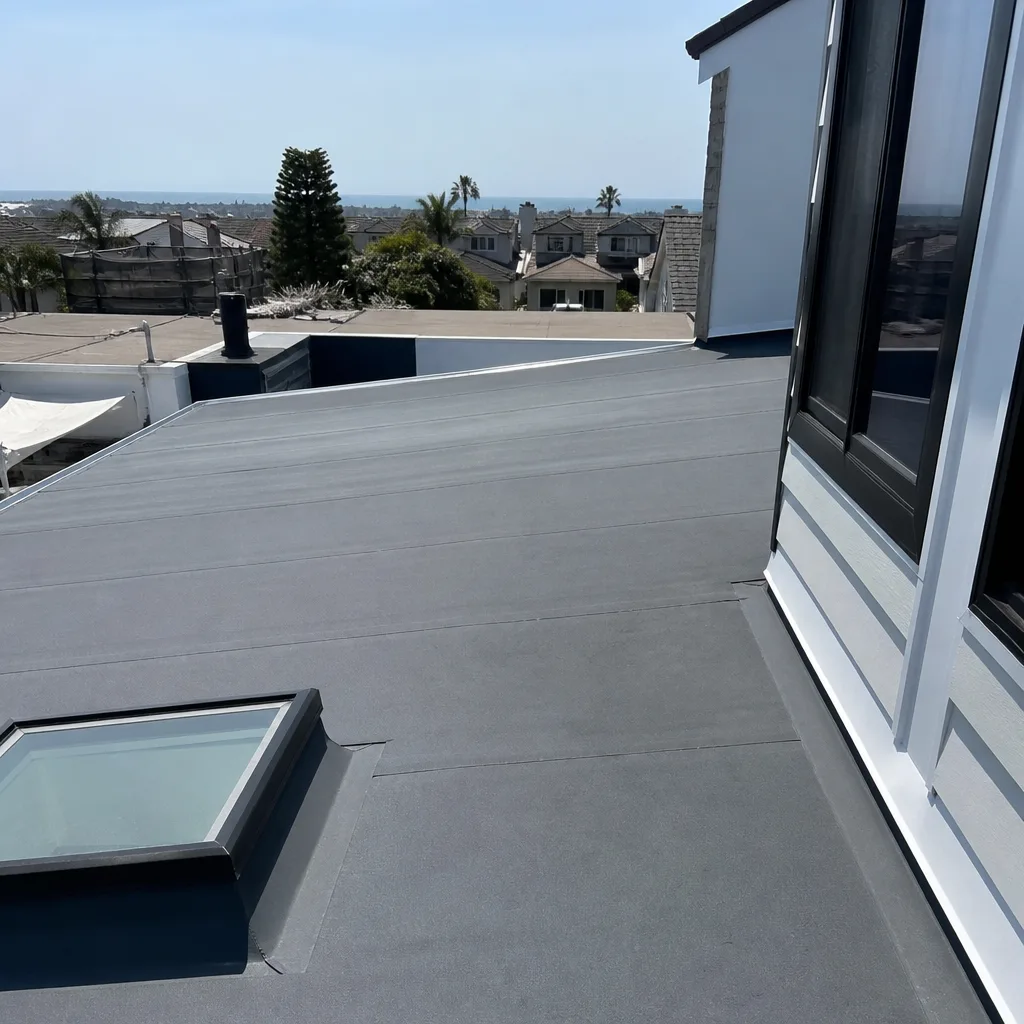 After