Last updated October 30, 2026
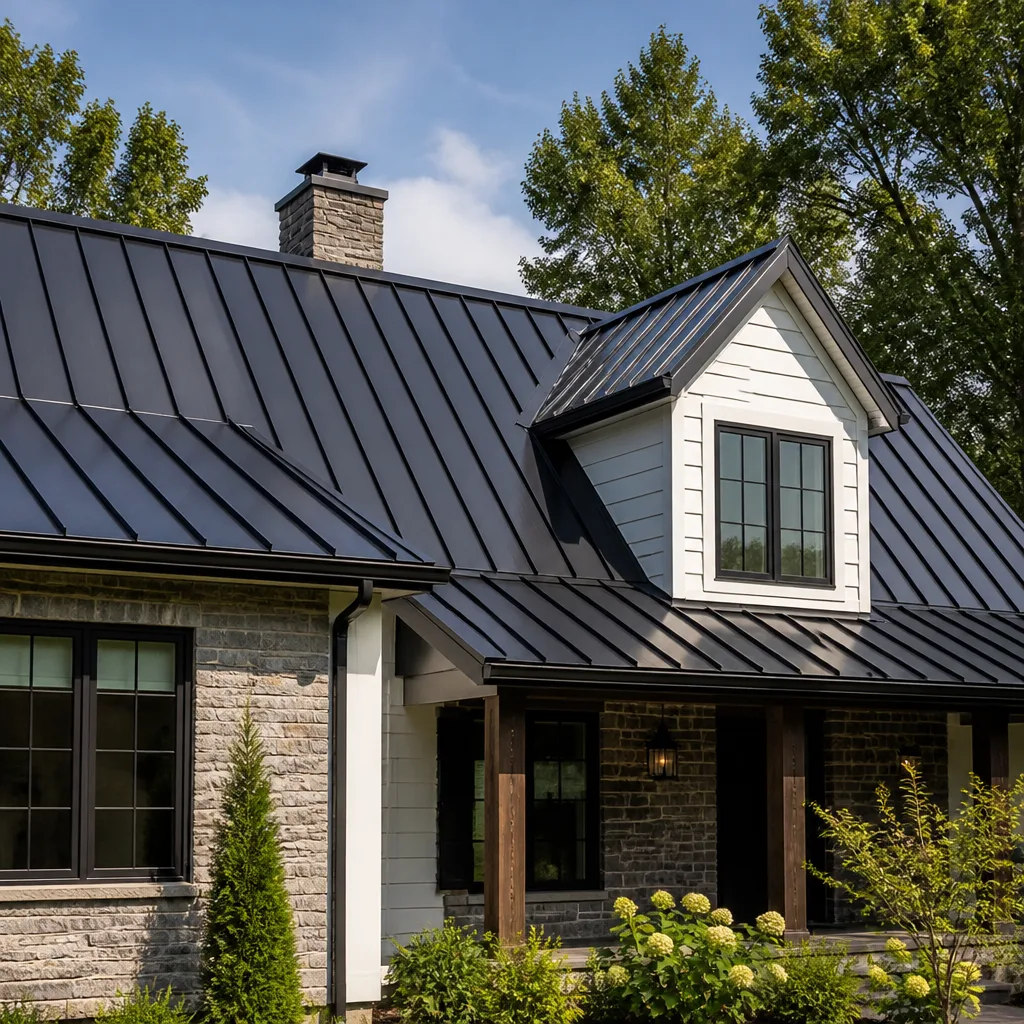 Metal roofing
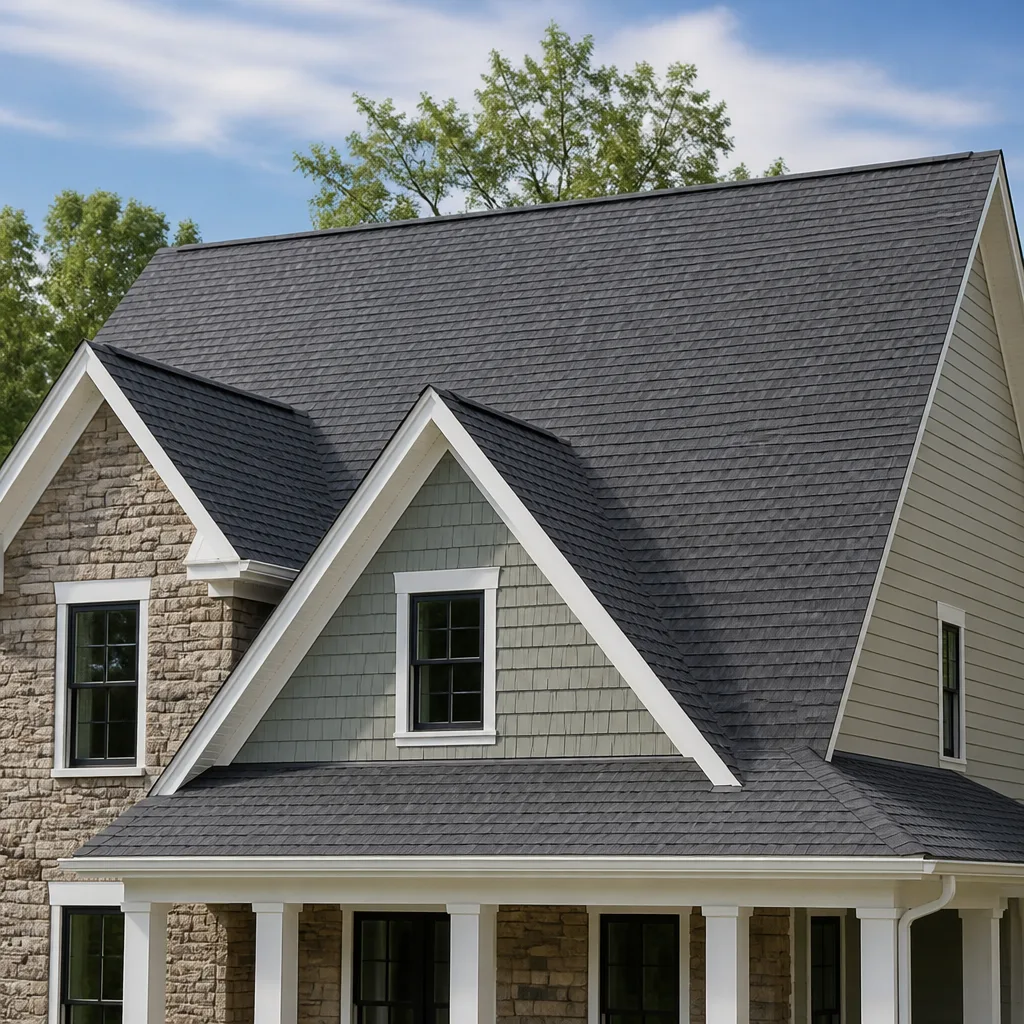 Architectural shingles
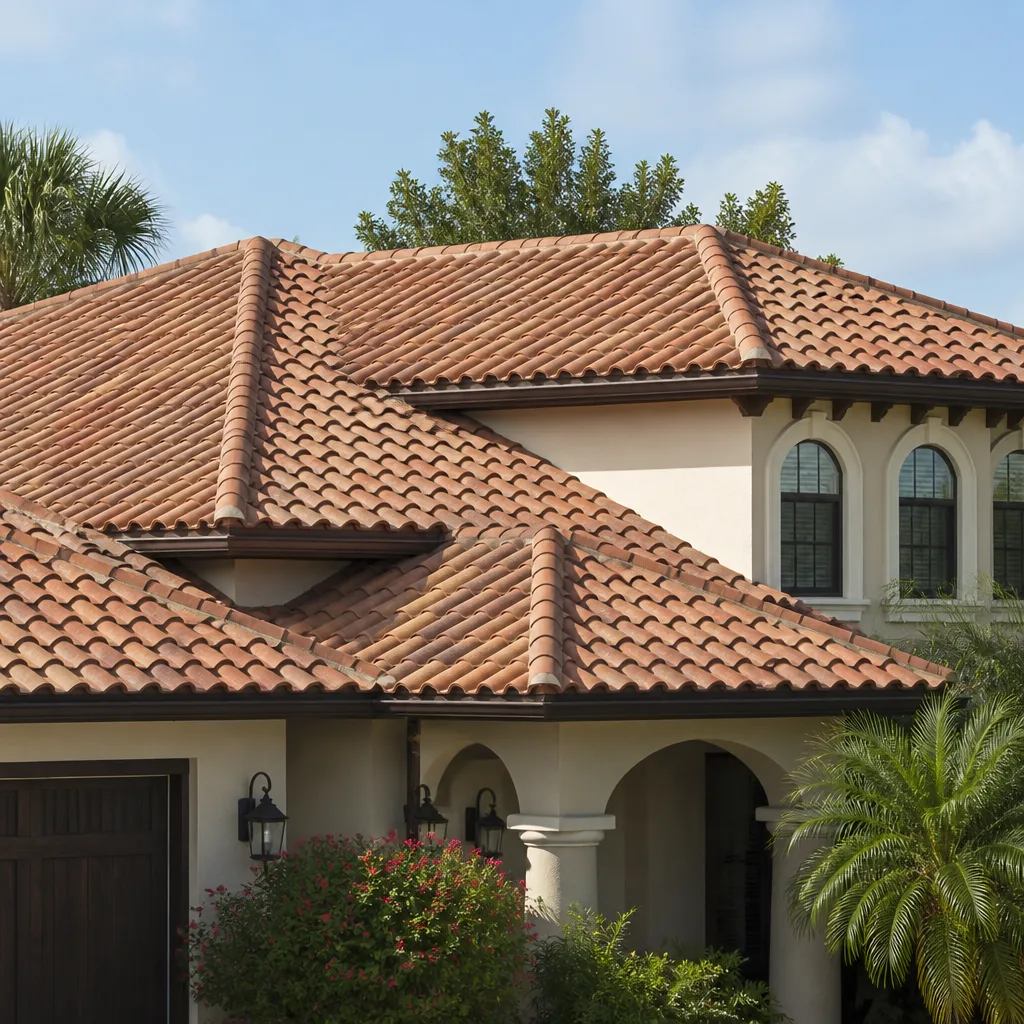 Tile roofing
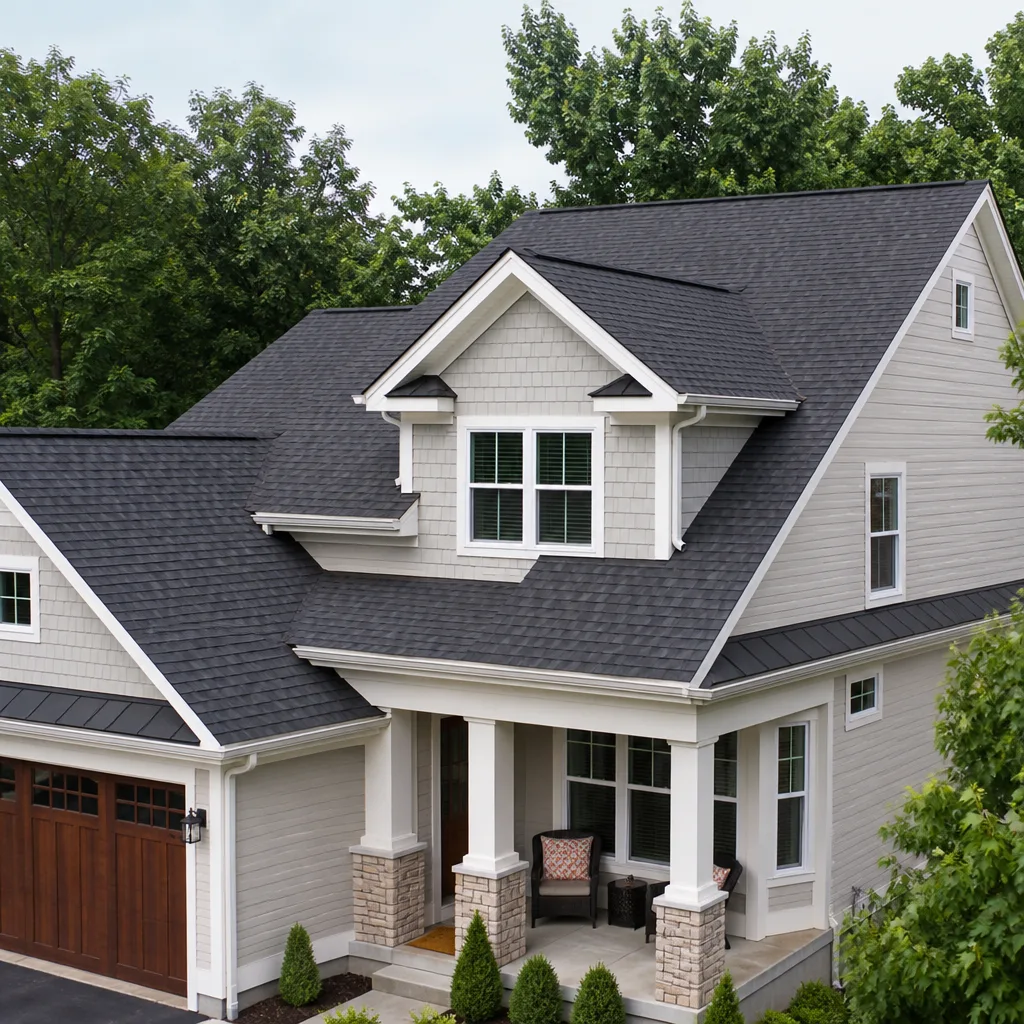 GAF
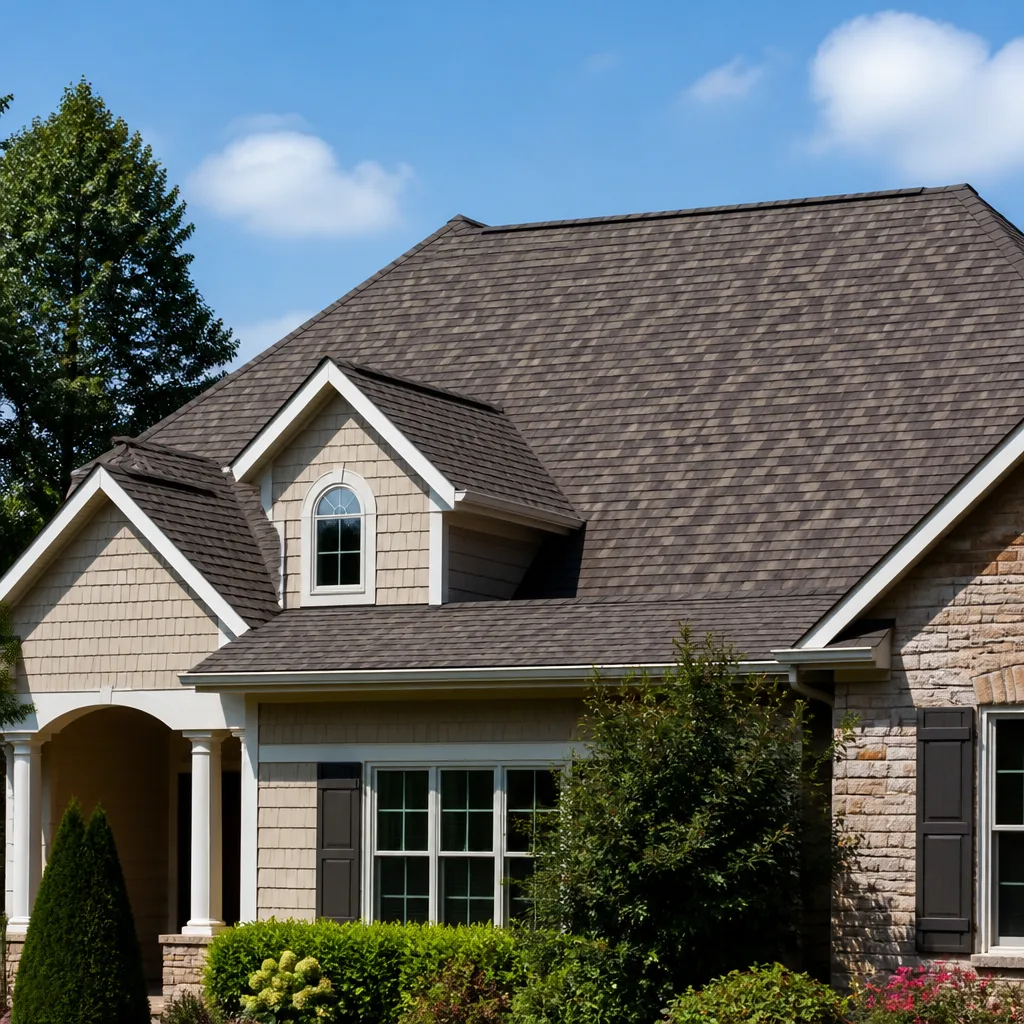 Owens Corning
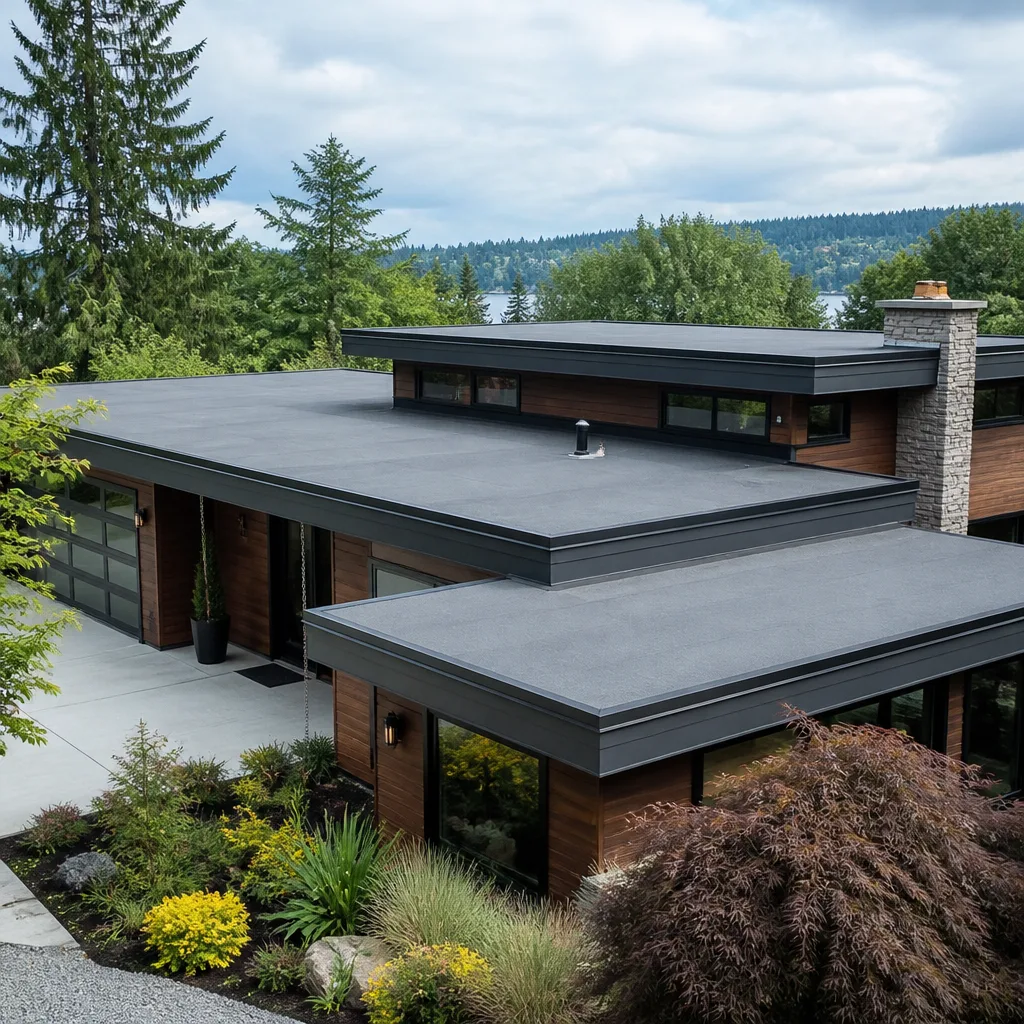 Flat & low-slope
Free roof inspection with deck photos before we talk money - GAF and Owens Corning certified installation
The Complete Guide to Roofing in Newport Beach
Here’s the thing most roofing guides get wrong about Newport Beach: they treat the city like a single climate zone with a single roofing answer. That’s why you’ll see the same asphalt shingle recommendation for a cottage on Balboa Island as for a house in Newport Coast, even though one of those roofs will sit in salt fog for 300 nights a year while the other bakes in inland sun. This guide, written by roofers who work here, breaks down what actually matters when you’re making decisions about a roof in Newport Beach — and you can find more guides & resources on our blog – from the three micro-climates that determine material lifespans, to what a real inspection covers, to how HOA rules in specific communities change your options.
Quick Answer
Roofing in Newport Beach requires choosing materials based on which of the city’s three micro-climates your home sits in – peninsula salt-spray zones, bayfront fog belts, or inland hillside heat zones – rather than following generic Southern California advice. A proper roof decision here starts with a material-agnostic inspection that accounts for marine air, HOA requirements, and Newport Beach Building & Safety Division code specifics, then weighs repair versus replacement honestly.
Styles & brands we work with
Table of Contents
- The Three Micro-Climates of Newport Beach: Why Your Roof’s Lifespan Depends on Your ZIP Code
- Material Selection by Micro-Climate: What Actually Works Where
- HOA Guidelines in Newport Beach: When Architectural Rules Dictate Your Roof
- What an Honest Roof Inspection in Newport Beach Covers
- Repair vs Replace: How to Read a Recommendation Without Getting Sold
- The Replacement Project: What a Full Roof Replacement Looks Like Start to Finish
- Permits, Code, and Newport Beach Building & Safety: What’s Different Here
- Marine Fog, Underlayment Moisture, and Deck Rot: The Problem Most Guides Skip
The Three Micro-Climates of Newport Beach: Why Your Roof’s Lifespan Depends on Your ZIP Code
Newport Beach packs roughly 40 square miles of coastline, bay, and hillside into one city, and the moisture load on a roof can vary dramatically depending on which part of town you’re in. We find that a roof on the Balboa Peninsula simply does not age the same way as a roof in Harbor View Hills, even when the same materials are installed in the same year. Understanding your zone is the starting point for every other roofing decision you’ll make in Newport Beach.
The three zones break down like this:
- Peninsula and oceanfront (Balboa Peninsula, Balboa Island, Lido Isle, West Newport): Constant salt spray, high wind exposure, and the heaviest marine layer. Roofing nails, flashing, and even some synthetic underlayments break down faster here than a few blocks inland. This zone demands the most corrosion-resistant metals and the most conservative installation methods.
- Bayfront and canalfront (Newport Shores, parts of Lido, bay-facing Newport Island homes): Less direct surf spray but more persistent damp air. The bay side stays wet longer after the fog burns off because airflow is slower along the water channel. Mildew and algae growth on north-facing slopes is common in this zone.
- Hillside and inland (Newport Coast, Harbor View Hills, Bonita Canyon, Santa Ana Heights edge): Warmer, drier, more direct UV exposure. Marine fog rolls in at night but burns off earlier. The bigger threat here is dehydration of underlayment and faster granule wear on asphalt, not salt corrosion.
Why does this matter? Because a material that lasts 25 years in the inland zone might reach the end of its serviceable life in 15 on the peninsula. When we inspect a roof in Newport Beach, the first thing we note is the micro-climate, because it changes what “normal wear” looks like. A roof in West Newport with corroded flashing at year 12 isn’t a defect – it’s the environment doing exactly what the environment does. A roof in Bonita Canyon with the same corrosion at year 12 would signal an installation mistake or a wrong material choice.
Material Selection by Micro-Climate: What Actually Works Where
Roofing material selection in Newport Beach should be driven first by your zone, second by your HOA constraints, and third by your budget. Here’s what we’ve seen actually hold up – and what doesn’t – in each part of the city.
Peninsula and Oceanfront Materials
The salt-air environment on the Balboa Peninsula is brutal on roofing hardware. The material that matters most isn’t what’s visible – it’s the underlayment, flashing, and fasteners. We recommend corrosion-resistant flashing metals like copper or coated stainless steel anywhere within a half-mile of open ocean. For visible roofing material, certain GAF and CertainTeed product lines with high wind ratings and heavier granule adhesion perform measurably better under salt spray than bargain lines. Tile remains a solid choice if the deck structure can support it, but the felt or synthetic underlayment beneath it matters more than the tile itself.
Bayfront and Canalfront Materials
The challenge here is persistent dampness rather than direct salt assault. Algae-resistant shingle lines from Owens Corning and GAF help, but the real fix is ventilation and drying. This zone benefits from a ventilated underlayment setup or a batten system that allows airflow beneath the roof material. For homeowners considering a metal roof, bayfront is a better fit than oceanfront – less direct salt, less wind-driven water pressure.
Hillside and Inland Materials
This is where budget flexibility opens up. The inland Newport Beach climate is closer to a classic Southern California environment: hot days, cool nights, low humidity. Standard asphalt shingles, concrete tile, and lightweight alternatives all perform within normal expected lifespan ranges. This is where honest budget conversations happen, because the homeowner isn’t fighting corrosion. Value-tier brands like IKO and Atlas make sense in Harbor View Hills and parts of Newport Coast, as long as they’re installed to Newport Beach code. For premium long-run performance, CertainTeed and GAF product lines still carry stronger warranties and better algae protection for the coastal edge of this zone.
A Note on Brand Flexibility
Sunridge Roof Repair takes a material-agnostic position across the seven major roofing brands we work with – GAF, CertainTeed, Owens Corning, IKO, Atlas, Tamko, and Boral. The right material for a home on Balboa Island may be completely different from the right material for a home in Bonita Canyon. When we assess a roof in Newport Beach, our recommendation starts with the roof’s actual condition, the micro-climate, and the homeowner’s financial picture – not a supplier relationship. That’s the only way to make a material recommendation you won’t second-guess in five years.
If your roof has already failed and you need a targeted assessment, see our guide on Roof Repair in Lynwood for the diagnostic process we use on every call – or read on, because this guide covers the full lifecycle below.
HOA Guidelines in Newport Beach: When Architectural Rules Dictate Your Roof
Newport Beach has some of the most restrictive HOA architectural committees in Orange County, and those committees routinely override what would otherwise be a straightforward material decision. Communities like Newport Coast, Harbor View Hills, and the various Port Streets neighborhoods each maintain specific material lists, color palettes, and even ventilation requirements that you’ll need to navigate before signing any roofing contract.
What you should know before contacting your HOA:
- Most HOAs in Newport Beach require pre-approval for any roof material change, and many require pre-approval even for a like-for-like replacement. Submitting a product spec sheet from the roofing contractor is usually step one.
- Color variance approval is separate from material approval. You may get a “yes” on a CertainTeed product but a “no” on the specific colorway. CertainTeed maintains a wide enough color line to keep most HOAs satisfied, but plan for a two-step approval process.
- Tile-specific rules are common in Newport Coast. Many of the hillside communities mandate clay or concrete tile with specific barrel profiles. This limits your material conversation to the tile itself and the underlayment system, which is where the real performance difference lives anyway.
- Some HOAs here explicitly prohibit visible ridge vents or certain flashing styles. If your roof needs ventilation upgrades, you may need to discuss concealed or low-profile options with your contractor before designing the system.
- The HOA may require the contractor to carry specific insurance coverage levels before any work begins. We’ve handled enough Newport Beach HOA submittals to know that the paperwork moves faster when the contractor provides a clean, itemized material list and proof of coverage upfront.
Here’s the part most guides skip: HOA rules and Newport Beach micro-climate realities sometimes conflict. A Harbor View Hills HOA may push for a specific tile profile that performs worse in that zone than a lighter-weight alternative, or a committee may reject a ventilation solution that would actually extend the roof’s life. You need a roofer who can translate between the HOA’s aesthetic rules and what the building science requires. That’s not a sales pitch – it’s the practical reality of roofing in a city where architectural review boards have real authority.
What an Honest Roof Inspection in Newport Beach Covers
An honest roof inspection is a diagnostic process, not a sales appointment. The goal is to answer one question: what, specifically, is the condition of your roof today, and what should you do about it? That’s why we offer roof inspection as a standalone service in Newport Beach – homeowners deserve a clear picture before anyone starts recommending dollars.
A complete Newport Beach roof inspection should cover, at minimum:
- Deck and structure: From the attic side, checking for sagging, water staining on the deck sheathing, and signs of past or active leaks. This catches problems that don’t show from the roofline.
- Underlayment condition: Visible at edges, penetrations, and any lifted areas. In Newport Beach’s fog-heavy zones, underlayment degradation is often the first failure point, especially near the eaves.
- Fastener condition: On the peninsula, we look for rust blooms and weakened nail heads. A roof that looks fine from the street can be held down by corroded fasteners that won’t survive the next wind event.
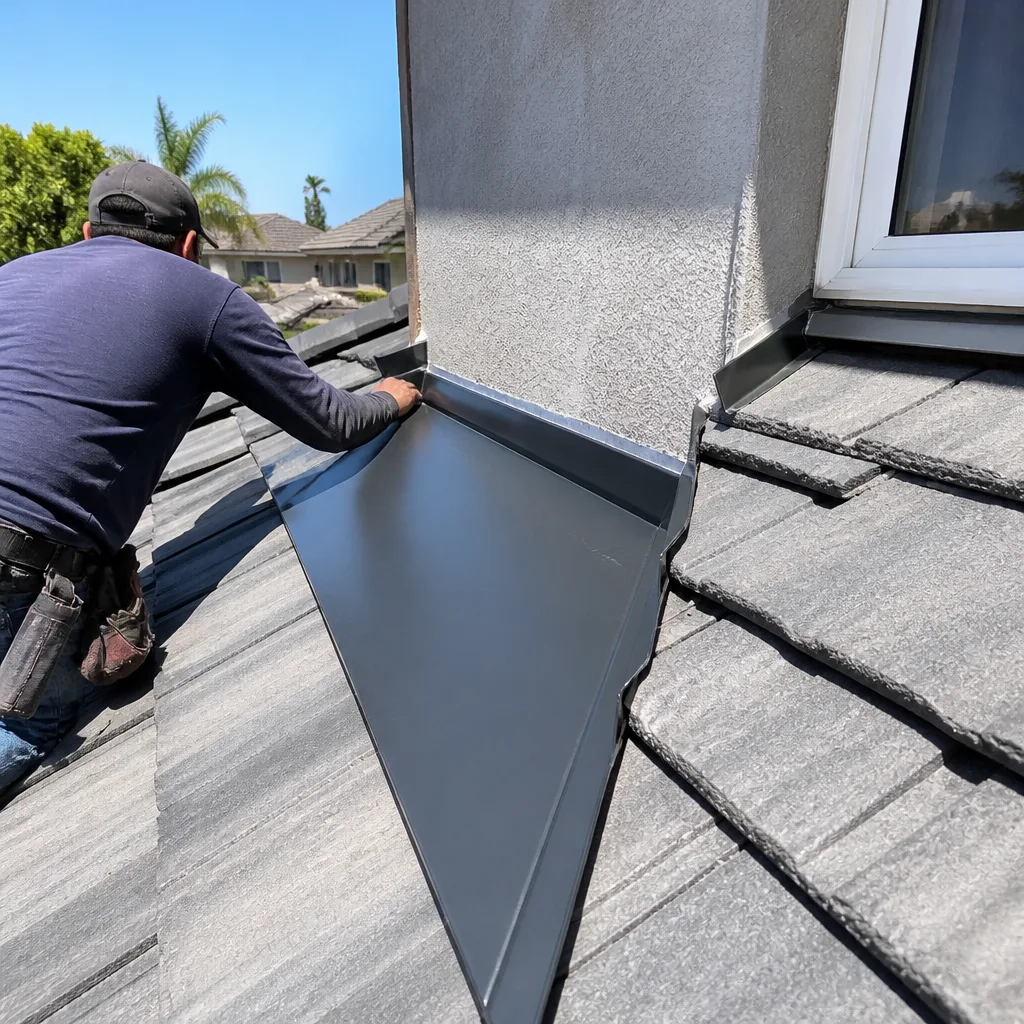
- Flashing condition: Especially at chimneys, skylights, roof-to-wall transitions, and around plumbing vents. Flashing is the most common roof failure point in Newport Beach, and it’s usually repairable without a full replacement.
- Ventilation function: Checking intake and exhaust airflow. Many Newport Beach roofs, especially on older bayfront homes, were built with inadequate ventilation, which accelerates underlayment breakdown and promotes mildew.
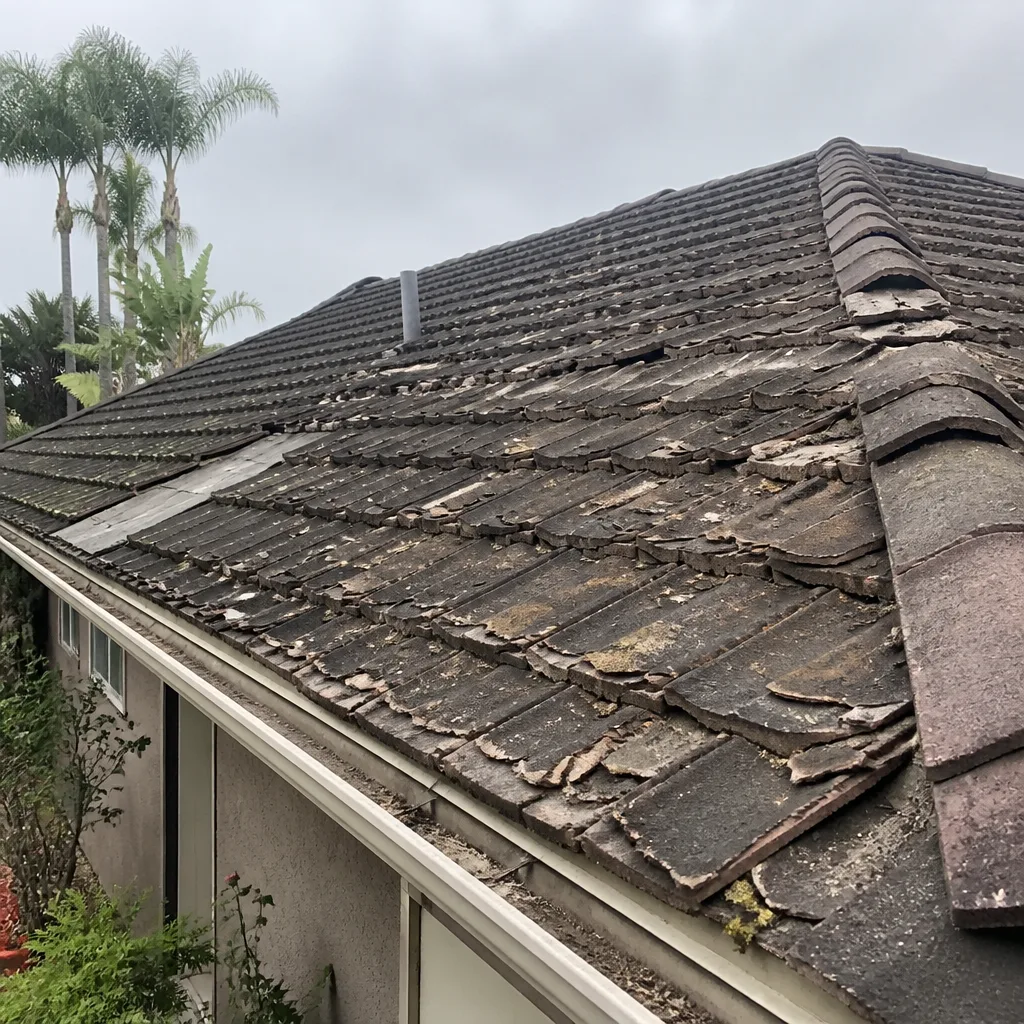
- Visible material wear: Granule loss on shingles, cracking on tile, or seam separation on metal. This is what most homeowners notice first, but it’s often a symptom, not the root problem.
The deliverable from a real inspection is a written condition report with photographs and a itemized repair-versus-replace breakdown if work is needed. If a contractor walks your roof for ten minutes and hands you a replacement quote, that’s not an inspection – that’s a sales pitch. For a deeper dive into what this process looks like step by step, see our guide on Roof Inspection in Lynwood.
Repair vs Replace: How to Read a Recommendation Without Getting Sold
After the inspection, you’ll get a recommendation. Here’s how to evaluate it honestly, even if it doesn’t come from us.
Repair is usually the right call when:
- The roof is less than 15 years old and the failing area is isolated (flashing at one plumbing vent, a small section of wind-lifted shingles, a single cracked tile).
- The deck structure is sound and the underlayment shows no widespread moisture damage.
- The roof has at least a decade of expected life left based on its material and your Newport Beach micro-climate zone.
Replacement is usually the right call when:
- The roof is 20-plus years old and showing widespread granule loss, multiple repairs, or visible deck issues from the attic side.
- Underlayment has failed across a large area, even if the visible material looks okay from the ground.
- You’re in a peninsula zone and the fastener corrosion is widespread enough that the structure is no longer wind-rated to current standards.
- You plan to be in the home for more than seven years and repair costs would exceed roughly 30 percent of a full replacement over that window.
The honest position is “repair when repair is right, replace when it’s not.” That’s not just our philosophy – it’s the only approach that makes sense for a homeowner who’s going to be in the same house five years from now. A roof that’s been patched three times in eighteen months is sending you a clear signal. Listen to it. For more detail on replacement specifics, see Roof Replacement in Lynwood or keep reading for the full lifecycle breakdown below.
The Replacement Project: What a Full Roof Replacement Looks Like Start to Finish
If replacement is the honest answer, here’s what you can expect from a full roof replacement in Newport Beach, step by step, as outlined in The Complete Roof Repair Guide for Newport Beach Homeowners. A professional replacement runs on a predictable sequence, and understanding it helps you evaluate any contractor’s process.
- Material and color selection: You choose your material based on the inspection findings, your micro-climate zone, HOA constraints, and budget. You should get a written line item for exactly which product line you’re buying – not just “shingles” but the manufacturer, product name, and color.
- Permit submittal: Your contractor pulls the permit from Newport Beach Building & Safety before any tear-off begins. If they skip this step, walk away. More on permits below.
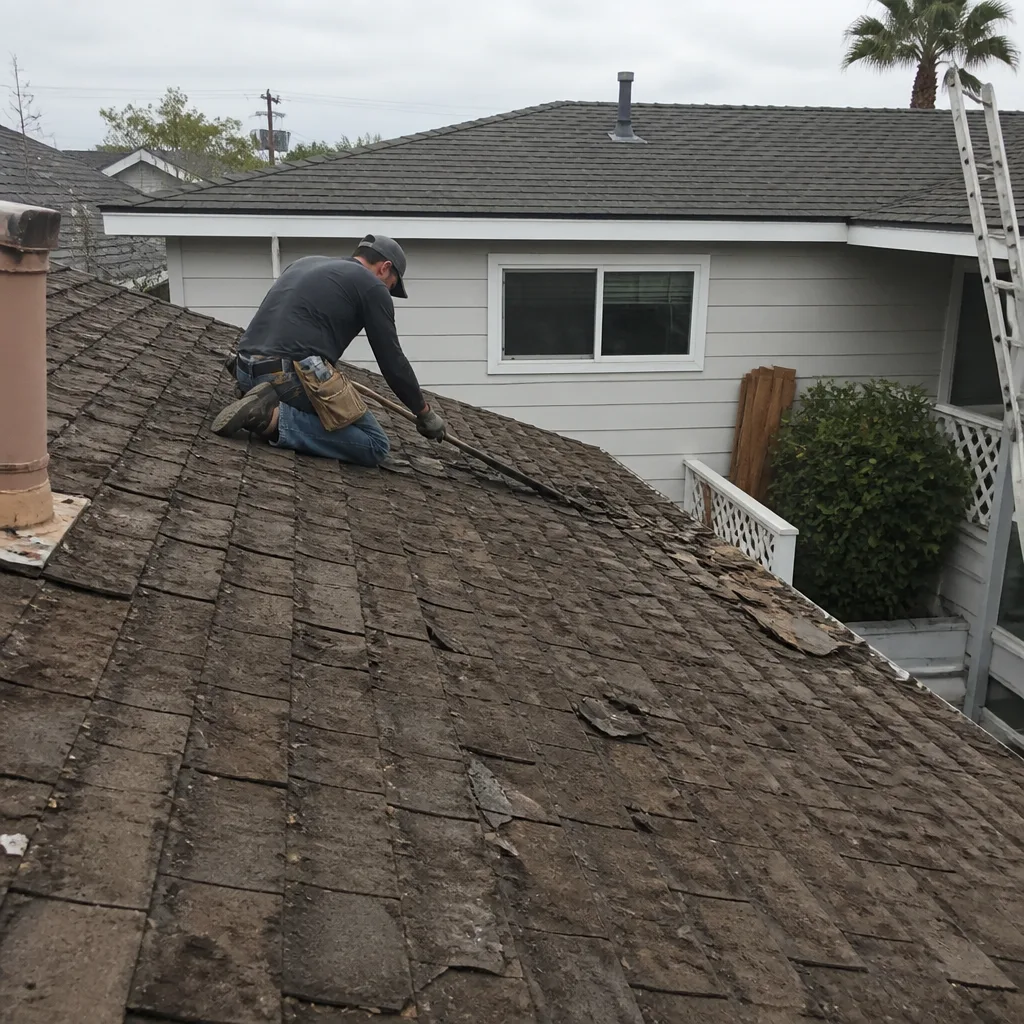
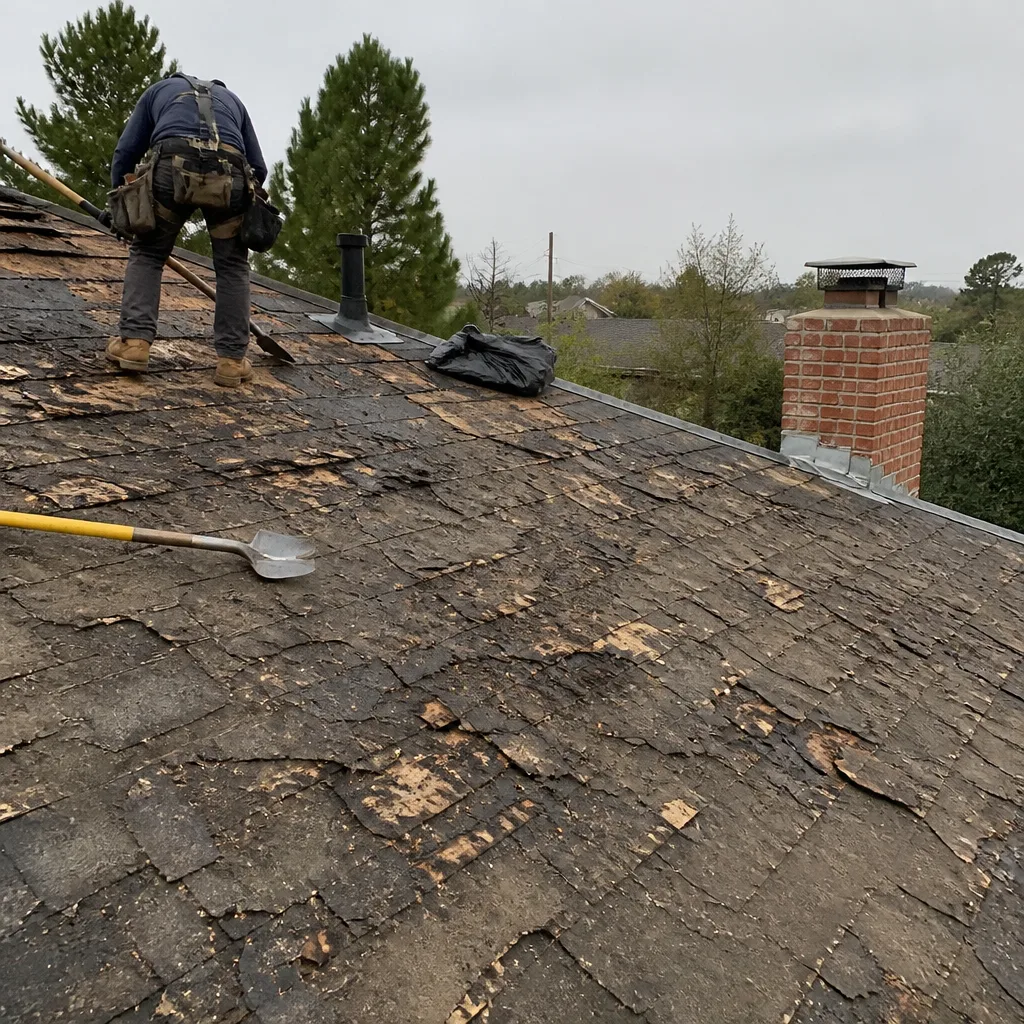
- Tear-off and deck inspection: The old roof comes off, and the deck is exposed. This is the moment when concealed damage becomes visible. A good contractor photographs everything and discusses any newly discovered deck repair needs with you before proceeding.
- Underlayment and waterproofing installation: The underlayment, ice and water shield at eaves and penetrations, and any necessary flashing underlayment go in. This is often the most important layer on a Newport Beach roof, especially in fog-prone zones.
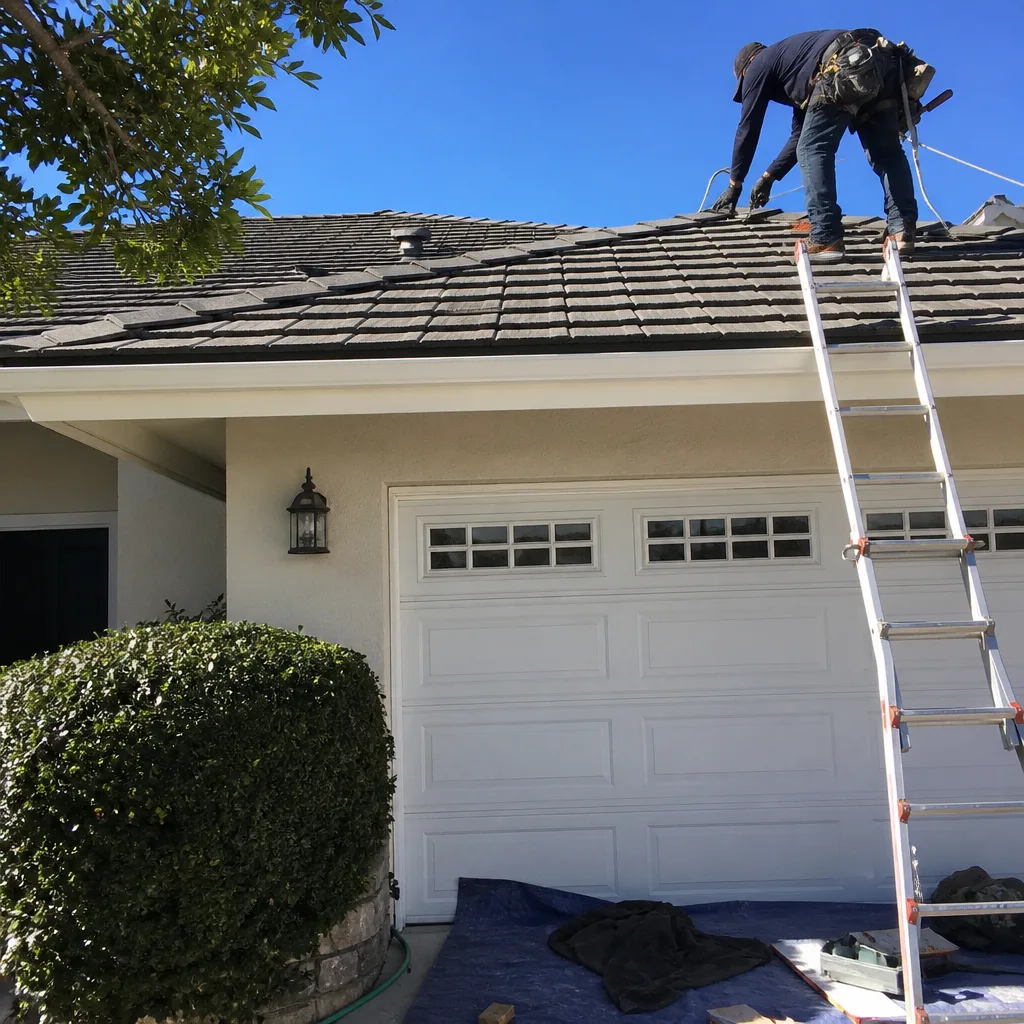
- Material installation: The visible roofing material goes on over the underlayment. Installation quality here is what separates a roof that lasts 20 years from one that lasts 10.
- Flashing, trim, and ventilation finishing: All flashing, ridge caps, and venting details are completed. These details matter more than the field material for long-term leak prevention.
- Final inspection and closeout: The city inspector signs off on the permitted work. You should receive a final inspection record, a job summary, and any applicable warranty documentation.
A professional replacement in Newport Beach takes anywhere from three to ten days depending on roof size, steepness, material choice, and weather windows. Tile takes longer than composition shingle. Metal takes longer than tile. And a roof on a steep Newport Coast hillside lot takes longer than a flat ranch in West Newport. Any timeline should be a written estimate, not a phone-call promise.
Permits, Code, and Newport Beach Building & Safety: What’s Different Here
Newport Beach is not a “generic California code” city. The Building & Safety Division enforces specific requirements that differ from neighboring municipalities, and homeowners should understand them before signing any roofing contract.
Key specifics for Newport Beach:
- All roof replacements require a building permit. Any contractor who suggests skipping the permit is offering you a discount that can void your insurance coverage and create real disclosure problems when you sell. This isn’t negotiable in Newport Beach.
- Re-roofing projects must meet the city’s current wind-load requirements. This matters especially on the peninsula and oceanfront zones, where design wind speeds are among the highest in Orange County.
- Newport Beach enforces cool-roof and solar-reflectance requirements for certain material types. Depending on your roof’s pitch and material, you may need a specific Solar Reflectance Index (SRI) product. This is easy to satisfy with the right shingle color or roofing membrane, but it’s something that must be specified correctly on the permit application.
- Unpermitted existing work is a genuine issue in some older Newport Beach neighborhoods. If you’re buying a house or the current roof was done without a permit, a replacement may need to bring the entire assembly up to current code rather than just matching what’s there.
- Re-inspection scheduling in Newport Beach runs through the city’s online portal. Contractors who work here regularly know the process, and the city generally schedules final inspections quickly. A contractor unfamiliar with local code specifics will waste your time on corrections.
If you’re hiring a roofing contractor in Newport Beach, ask directly: “Will you pull the permit with Newport Beach Building & Safety?” The answer should be an immediate yes. Anything else is a problem.
Marine Fog, Underlayment Moisture, and Deck Rot: The Problem Most Guides Skip
Here’s the roofing topic that almost no standard guide addresses: Newport Beach’s marine fog cycles create a specific underlayment and deck moisture problem that doesn’t exist inland, and it silently shortens roof life from the inside out.
Here’s what happens. On a typical summer night in the peninsula and bayfront zones, marine fog rolls in around sunset and sits until late morning. The fog condenses on the upper roof surface, and through a process called night-sky radiation cooling, the roof deck itself drops below the dew point even on nights when the air temperature feels mild. Moisture accumulates not just on the outside of the roof, but within the roof assembly itself – particularly in the underlayment layer and the upper deck plies.
If the roof’s ventilation system can’t dry that assembly out during the day, the moisture cycle repeats night after night, week after week. The result is premature underlayment degradation, deck ply delamination, and in older homes, a condition where the roof is essentially rotting from the inside while the shingles or tile above it look fine from the ground.
What this means for your Newport Beach roof:
- Ventilation is not optional in fog-zone homes. Proper intake at the eaves and exhaust near the ridge is the single most important defense against fog-cycle moisture damage.
- Underlayment selection should be considered a moisture-management decision, not just a waterproofing decision. Certain synthetic underlayments breathe and dry faster than traditional felt, which matters in the bayfront zone.
- Deck inspection at the time of tear-off is when this problem finally becomes visible. A contractor who finds scattered deck delamination and explains it as normal “coastal aging” is telling you the truth. A contractor who tells you a 15-year-old deck that looks like this is defective didn’t look closely enough.
This is also why a replacement on a Newport Beach fog-zone roof sometimes costs slightly more than a comparable inland job: if the deck needs partial replacement and the ventilation system needs a full redesign, those are legitimate, necessary costs that extend the new roof’s life. A contractor who glosses over this is doing you no favors.
Common Mistakes to Avoid
- Choosing a material before knowing your micro-climate zone. A homeowner who loves the look of a particular shingle on a Balboa Island home may be disappointed in ten years. Start with your zone, not the aesthetics.
- Trusting a roof inspection that doesn’t include an attic-side deck check. If no one went into your attic, the inspection missed the most important part, especially in fog-zone Newport Beach homes where deck moisture is the silent killer.
- Not checking HOA architectural guidelines before falling in love with a material. A homeowner in Newport Coast who picks a shingle color and only then submits for approval can burn weeks on revisions or lose the material choice entirely.
- Pricing a roof replacement based on another city’s numbers. Newport Beach labor rates and permit requirements are not the same as Anaheim or Santa Ana. A quote from a contractor who doesn’t work here is likely to be wrong in either direction.
- Ignoring underlayment and flashing when comparing quotes. Two bids for “the same roof” can differ by thousands because one includes proper underlayment, flashing replacement, and ventilation fixes while the other includes only the visible material. That’s not a price difference – that’s a scope difference.
- Skipping the permit to save money. In Newport Beach, the permit is non-negotiable. Saving a few hundred dollars on an unpermitted roof creates a five-figure problem when you sell the house.
See the difference
 Before
 After
 Before
 After
 Before
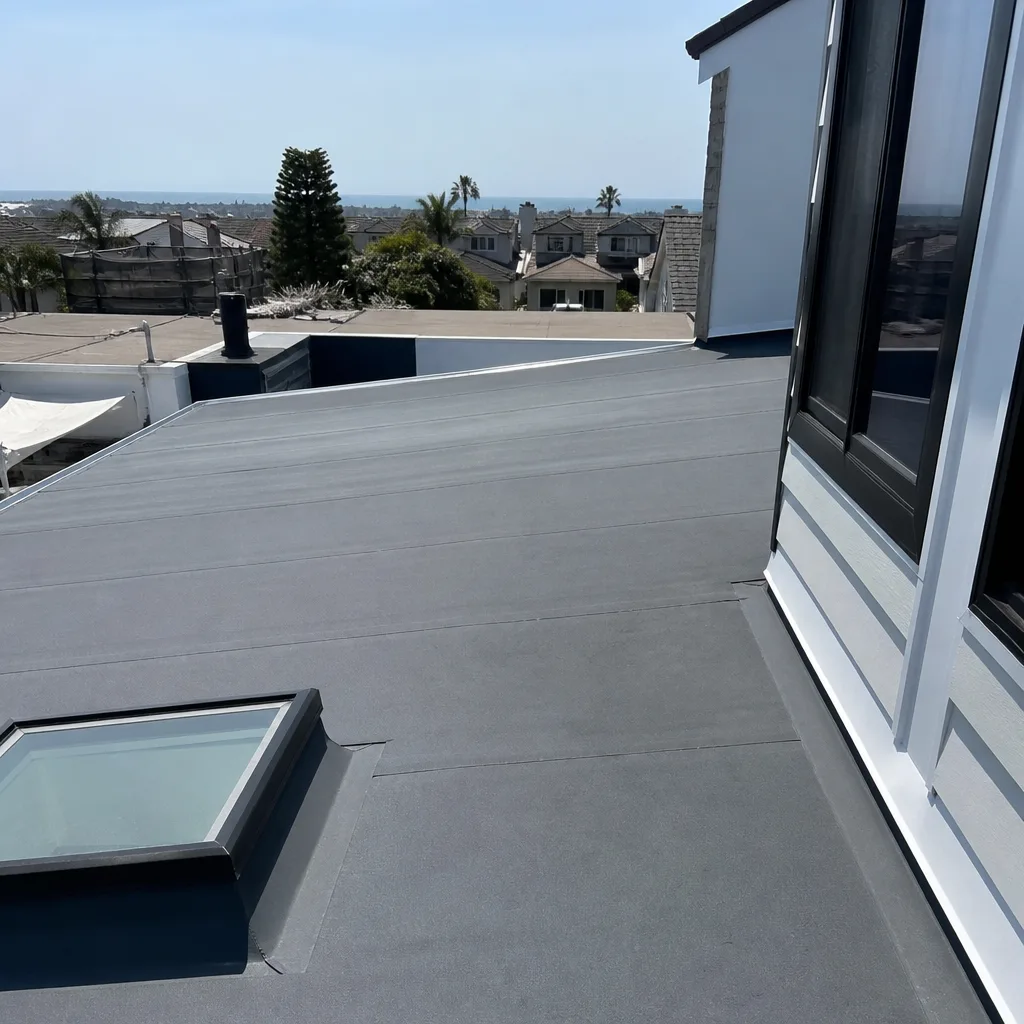 After
When to Call a Professional
Some roofing situations in Newport Beach should never be handled by an amateur. Call a professional if you see water staining on interior ceilings, rusted fasteners or popped nails across the roof surface, cracked or missing tiles after a wind event, or persistent mildew on attic rafters despite no obvious leak. If your roof is past 18 years old in a peninsula zone or 22 in an inland zone, it’s time for an honest assessment. If you’ve received two conflicting quotes and don’t know which one to trust, a third opinion from a material-agnostic source is worth the time. Sunridge Roof Repair offers free estimates in Newport Beach. Call (833) 589-5180 to schedule yours.
Frequently Asked Questions
A full roof replacement in Newport Beach typically ranges from $18,000 to $45,000 depending on square footage, material choice, tear-off complexity, and roof steepness, with tile and premium metal on the higher end and basic composition shingle on the lower end. Peninsula-zone replacements often run higher due to corrosion-resistant flashing requirements and more aggressive fastener specifications. Call (833) 589-5180 for a specific quote on your home.
Concrete tile, coated metal, and premium composition shingles with algae-resistant granules are the strongest long-run performers in Newport Beach, but the real difference-maker is the underlayment and ventilation system underneath any of them. On the peninsula, tile with a high-quality synthetic underlayment and copper flashing will outlast a budget shingle roof by a decade or more.
Yes. Every roof replacement and major repair in Newport Beach requires a building permit through the city’s Building & Safety Division. Roof repairs that involve only isolated shingle replacement or minor flashing work typically do not require a permit, but any work involving structural changes, full tear-off, or underlayment replacement does.
Repair is usually right for isolated damage, especially flashing failures around penetrations, and a roof that still has significant remaining lifespan. Replacement is the better call when the roof is past 20 years old with widespread wear, underlayment failure, or fastener corrosion – particularly in peninsula-zone homes. A material-agnostic inspection with an attic-side deck check gives you the evidence to decide.
Most Newport Coast HOAs require pre-approval for any roof material change, specify tile profiles and color ranges, and may impose restrictions on visible ventilation systems. The approval usually requires a product spec sheet from your contractor plus photographs or physical samples for color verification. Start the HOA conversation before you commit to a material.
Yes. Sunridge Roof Repair offers roof inspection in Newport Beach as a standalone service, not as a sales funnel. You receive a written condition report with photographs and a repair-versus-replace breakdown if work is recommended. Call (833) 589-5180 to schedule yours.
The Bottom Line
Roofing in Newport Beach is a micro-climate decision as much as a material decision. Your home’s zone – peninsula salt spray, bayfront fog belt, or inland hillside heat – determines what materials will actually last, what components will fail first, and how urgently you need to address problems. Layer in HOA rules, Newport Beach’s specific permit requirements, and the marine fog moisture cycles that most guides ignore, and you realize why generic Southern California roofing advice falls short here. Start with an inspection that looks at your roof honestly, see our Sunridge Roof Repair home page for the full picture of what a roofing specialist approach means in practice, then make your decision with real information rather than a sales script.
Written by the team at Sunridge Roof Repair, serving Newport Beach since 2011.