
Last updated October 30, 2026
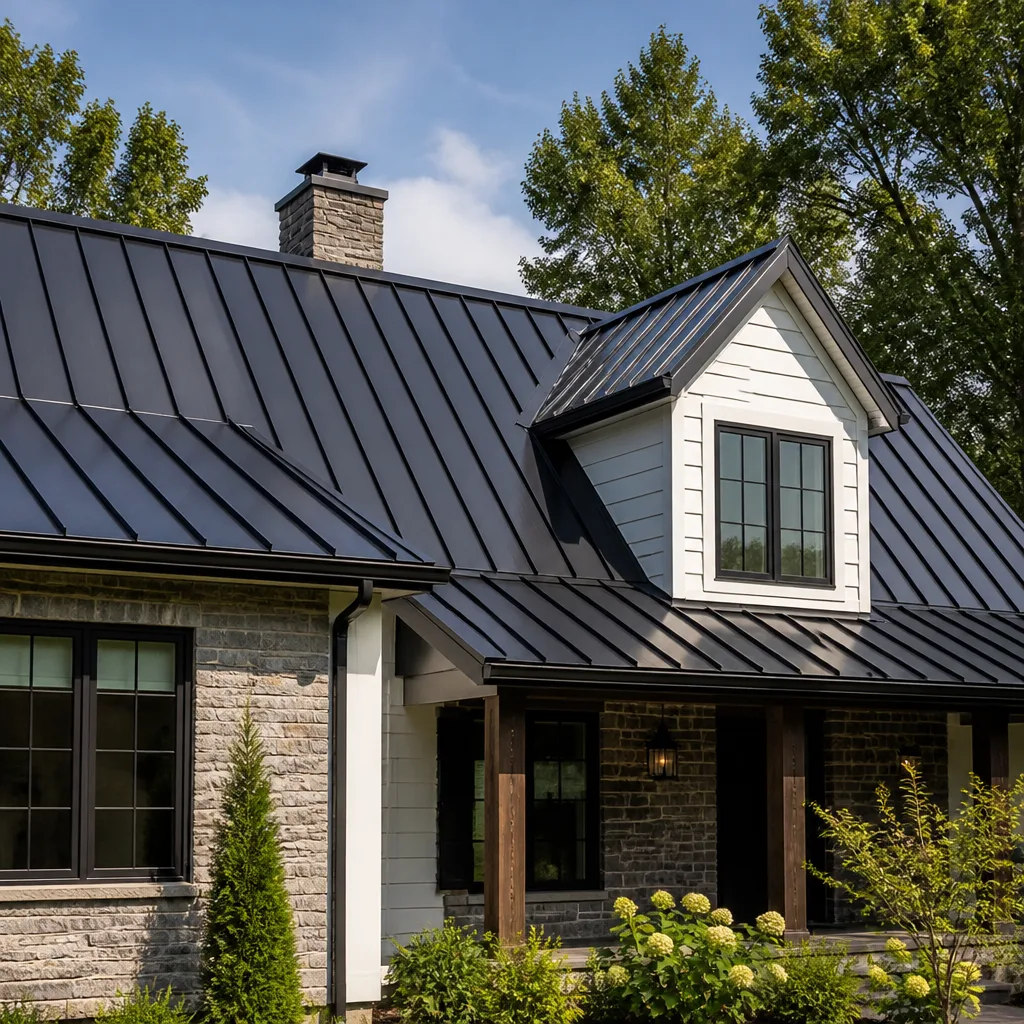 Metal roofing
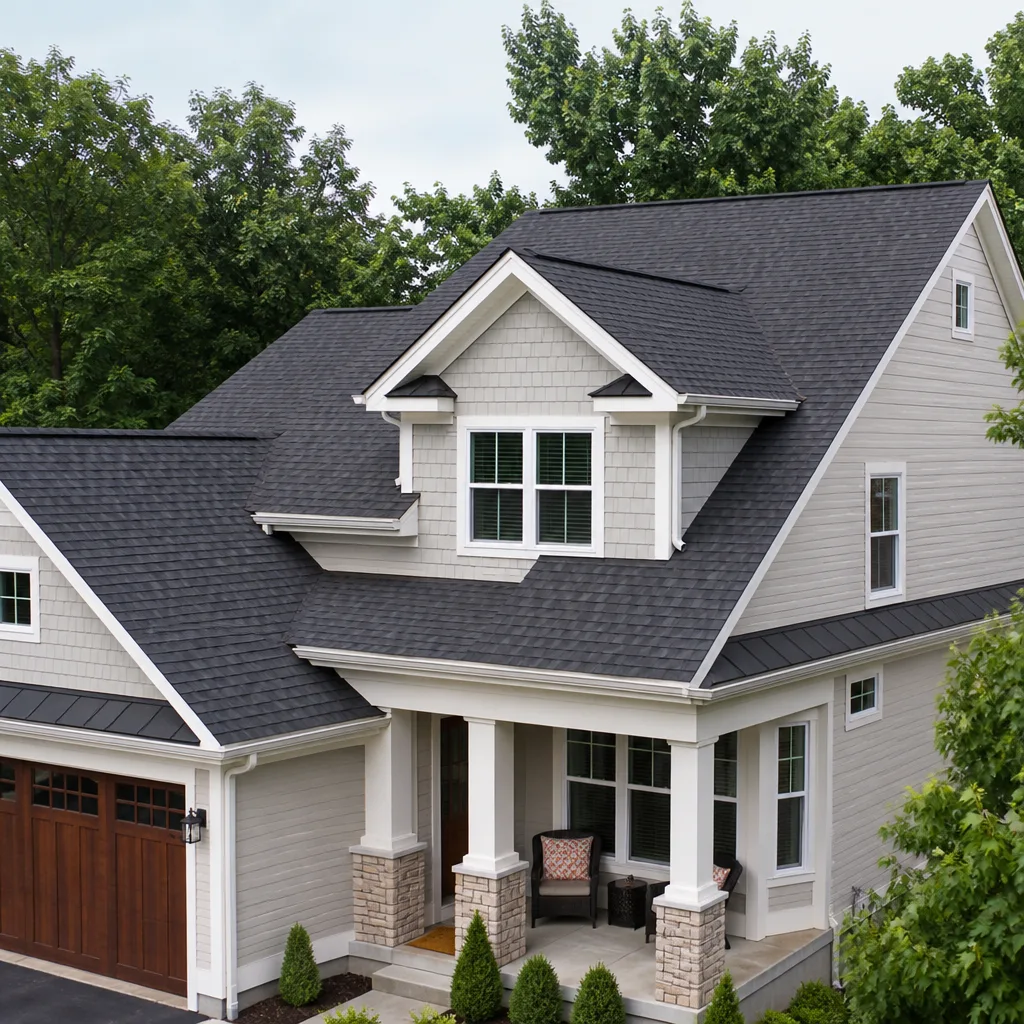
 Architectural shingles
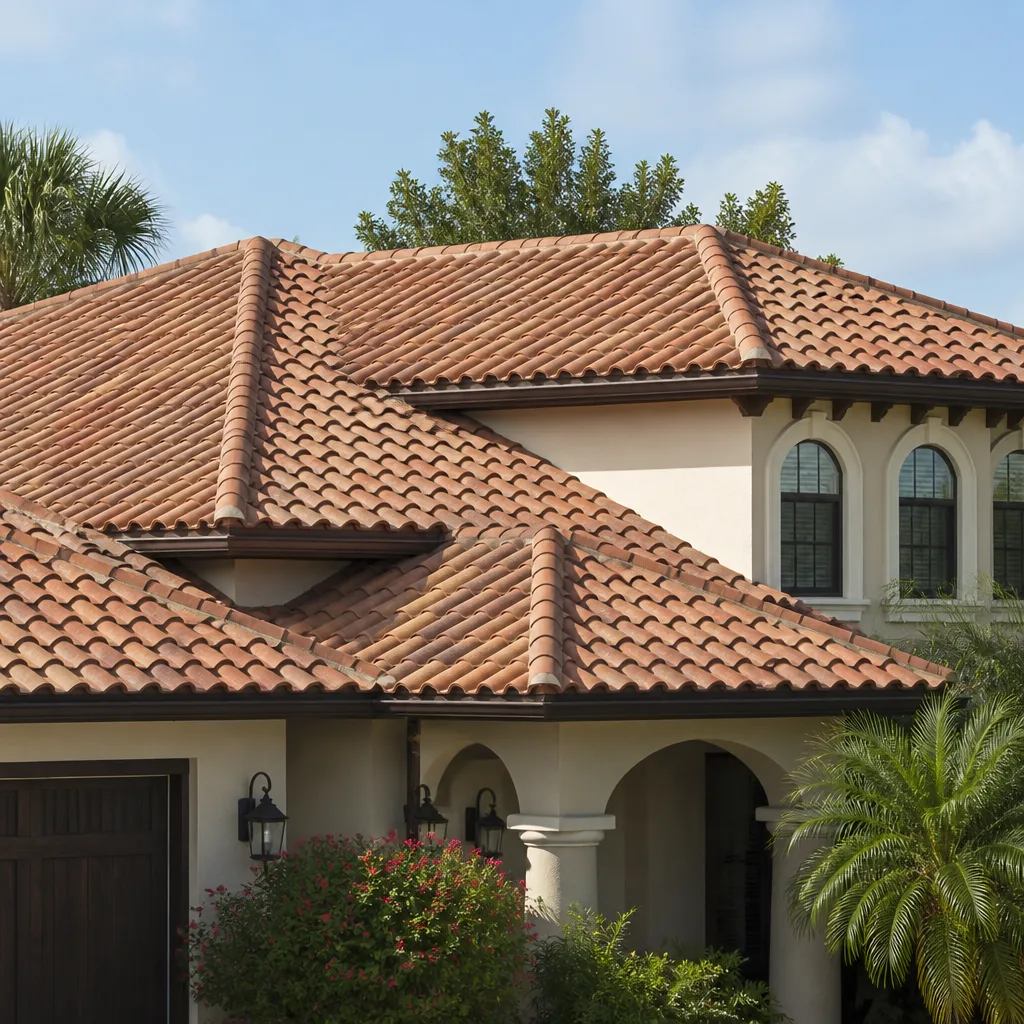 Tile roofing
 GAF
 Owens Corning
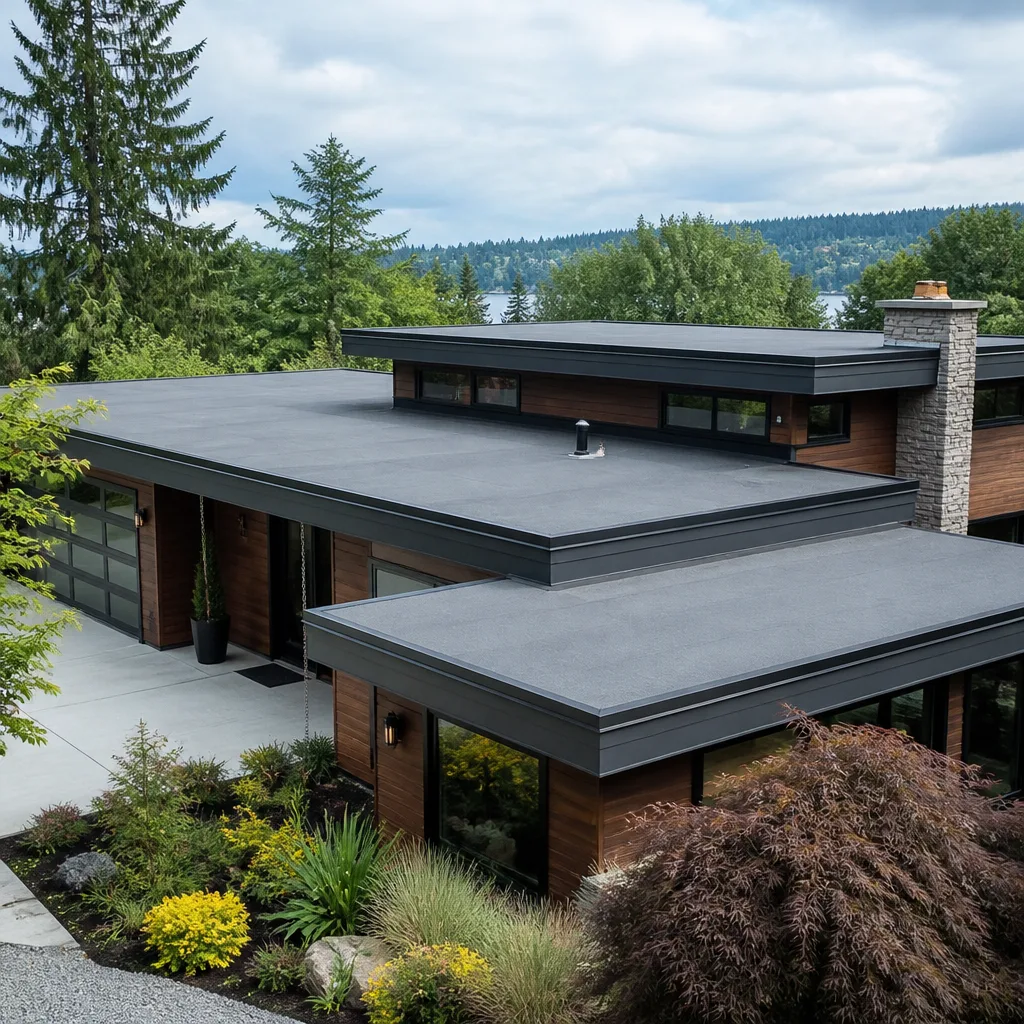 Flat & low-slope
Free roof inspection with deck photos before we talk money - GAF and Owens Corning certified installation
Roofing Permits, Codes & Inspections in CA: What You Need to Know
Here’s a number that should stop you mid-scroll: roughly one in three California homes re-roofed in the last decade has at least one permit record that doesn’t match the work actually done on the roof. That gap shows up at the worst possible moments – during an escrow inspection, inside an insurance adjuster’s denial letter, or in a refinance appraisal that comes back $15,000 short. Most homeowners don’t discover the problem until it costs them real money. This guide explains the layered permitting system in California, what Newport Beach does differently, what Title 24 actually requires of your re-roof, and how to protect yourself before the roof goes on – not after. For Roofing Warning Signs: A Newport Beach Homeowner’s Reference Guide and more guides & resources, see our blog. By the end, you’ll know exactly which questions to ask any contractor before you sign.
Styles & brands we work with
Quick Answer
In California, a roofing permit is required whenever you replace the roof covering itself – not just repair it – and that trigger is tied to the legal definition of “re-roofing” in the California Residential Code (CRC). If you’re tearing off and replacing the roof covering, replacing sheathing, or changing the roof system from one type to another (say, composition shingle to tile), you need a permit and inspections. Simple repairs like replacing a few damaged shingles or patching flashing generally don’t require one – but city-level rules can be stricter, and Newport Beach is one of the jurisdictions that enforces a tighter standard than the state baseline.
Table of Contents
- When a Roofing Permit Is Actually Required in California
- Newport Beach vs. California Baseline: Where the Rules Diverge
- Title 24 and Cool Roof Requirements: What Re-Roofing Triggers
- What Actually Happens During a Newport Beach Roofing Inspection
- What Unpermitted Roofing Work Really Costs You: Insurance, Resale, Refinance
- Who Pulls the Permit? Contractor Responsibility vs. Homeowner Verification
- How to Get a Roofing Permit in Newport Beach: Step-by-Step
- Common Mistakes to Avoid
- When to Call a Professional
- Frequently Asked Questions
- The Bottom Line
When a Roofing Permit Is Actually Required in California
California sets its roofing permit trigger at the state level through the California Residential Code, specifically Chapter 9, which governs roof assemblies. The CRC says that a permit is required for any roof work that involves “re-roofing” – and the code defines re-roofing as removing the existing roof covering and installing a new roof covering. That’s not a repair. A repair is patching, sealing, or replacing isolated sections of damaged material without removing the entire covering system.
The practical threshold most homeowners need to understand is this:
- Full tear-off and replacement: Permit required, no exceptions. You’re changing the weatherproofing system of the structure.
- Re-cover (new shingles over existing shingles): Permit required in California. The CRC treats re-covering as re-roofing because it adds weight and changes the roof assembly. Some states allow one re-cover layer without a permit; California does not make that allowance at the state level.
- Replacing damaged sheathing or structural decking: Permit required if you’re cutting out and replacing sections of the roof deck, because now you’re touching structure, not just covering.
- Replacing underlayment and flashing as part of a larger job: Covered by the same re-roofing permit if done alongside a new roof covering.
- Spot repairs – a few shingles, a small flashing patch, sealing a leak: Generally no permit required. The code treats these as maintenance and repair, not construction.
- Solar panel installation on an existing roof: Separate electrical and structural permits required, though not a “roofing permit” in the standard sense. The roof itself may need an engineering review for added load.
Here’s where it gets complicated, and where we’ve seen homeowners in Southern California get caught: the distinction between “repair” and “re-roofing” is not always obvious from the ground. A contractor who replaces 30 percent of a roof’s shingles after storm damage may or may not cross the threshold depending on how the work is described. If the city interprets it as a partial re-roof, they’ll want a permit. If the contractor frames it as a series of spot repairs, they won’t. That ambiguity is not your friend at resale.
The safest rule: if you’re changing the roof covering in any substantial way, assume a permit is required until you’ve confirmed otherwise in writing from the city’s building department. Don’t rely on the contractor’s verbal assurance alone. In our experience inspecting roofs across the Newport Beach area, a meaningful share of “repair” work done without permits was actually a partial re-roof that should have gone through the city.
Newport Beach vs. California Baseline: Where the Rules Diverge
Newport Beach is one of those California coastal cities that layers its own building standards on top of the state code. The city adopts the California Residential Code, but it modifies and tightens several sections through the Newport Beach Municipal Code, Title 15 (Buildings and Construction). For roofing specifically, the differences matter.
Newport Beach requires a building permit for roof repairs that would be permit-exempt in many other California cities. The city’s long-standing interpretation is that any repair affecting more than a small percentage of the roof area, or any repair to the roof covering that requires removing and replacing the underlayment, is treated as re-roofing for permit purposes. In practice, this means:
- Repairs exceeding roughly 30 percent of the roof area in Newport Beach trigger a permit requirement, even if the underlying roof framing isn’t touched.
- Chimney flashing repairs and re-flashing at roof penetrations are more likely to require a permit in Newport Beach than in cities that follow the state baseline without modification.
- Epoxy or coating systems applied over an existing roof are reviewed case-by-case in Newport Beach. Some cities exempt coatings entirely; Newport Beach does not automatically.
Newport Beach also enforces stricter fire-resistant roofing standards than the state minimum in the wildland-urban interface zones on the city’s eastern edge, near the hills and open-space corridors. Homes in those zones must use Class A roof coverings, full valley metal, and specific underlayment assemblies that exceed what the California Fire Code requires for typical urban neighborhoods. If your home sits near the Upper Newport Bay or the hills above Bonita Canyon, check the city’s fire hazard overlay map before choosing materials. Using the wrong material class in a high-severity zone will fail inspection and send you back to the supplier.
One more Newport Beach-specific factor: the city is aggressive about aerial imagery and permit verification. Building officials have access to recent aerial photography and can flag roof changes that don’t match the permit record. We’ve seen this happen on re-listings where a homeowner changed the roof pitch or material visually, and the city caught it during a follow-up review. That’s a call you don’t want.
For homeowners planning a Roof Replacement, working with a contractor who routinely handles Newport Beach permitting is more valuable than it sounds. The city’s inspectors are thorough, and the paperwork is more detailed than in many neighboring jurisdictions.
Title 24 and Cool Roof Requirements: What Re-Roofing Triggers
Here’s the part of California roofing law that surprises almost every homeowner we talk to: Title 24, Part 6 of the California Code of Regulations – the state’s energy efficiency standard – applies to re-roofing jobs, not just new construction. If you’re replacing the roof covering on a residential building, the new roof must comply with current Title 24 cool roof requirements. This is not optional. It is a building-code mandate that the inspector will verify.
The current standard, in effect since the 2023 code cycle, requires that most residential roofs in California’s climate zones use a “cool roof” product. A cool roof reflects more sunlight and absorbs less heat than a standard roof, measured by two properties: solar reflectance and thermal emittance. The state splits California into climate zones, and the requirements vary by zone. Coastal Orange County, including Newport Beach, sits in a mild climate zone where the requirements are somewhat less aggressive than inland zones like Riverside or San Bernardino, but they still apply.
For Newport Beach homeowners, the practical implications are:
- Composition shingles: If you’re replacing shingles, the product must be rated as a cool roof under Title 24 for your climate zone. Major manufacturers including Owens Corning, IKO, Atlas, and Tamko all make Title 24-compliant shingle lines explicitly for this market. Not every shingle color in their catalog qualifies – the lighter, more reflective blends do; the deep dark ones often don’t. The CRRC (Cool Roof Rating Council) maintains the product ratings database.
- Tile roofs: Concrete and clay tile products must also meet reflectance minimums in most cases. The natural terracotta and light-color tiles typically pass. Dark glazed tiles often don’t.
- When a simple repair triggers Title 24: Replacing isolated shingles does not trigger a cool-roof compliance upgrade. The requirement attaches to re-roofing – replacing the roof covering as a system. So a patch job stays a patch job. But if that “patch job” expands into a re-cover or tear-off, Title 24 compliance is part of the permit.
- Re-covering (new shingles over old): Title 24 applies. You’re installing a new roof covering, which means the new material must comply, even if the old layer didn’t.
If your roofing contractor doesn’t mention Title 24 when quoting your re-roof, treat that as a yellow flag. The compliance requirement affects material selection, adds a line item to the paperwork the city will review, and failing it will hold up your final inspection. Sunridge Roof Repair works with multiple manufacturers – including Owens Corning, IKO, and Atlas – so we can match a Title 24-compliant product to your roof’s pitch, your home’s architecture, and your budget without being locked into one brand’s catalog. See our guide on Choosing the Right Roofing Brand: A Buyer’s Guide for Newport Beach for more details.
What Actually Happens During a Newport Beach Roofing Inspection
A Newport Beach roofing inspection is not a walk-by. The city’s building inspectors are known for being methodical, which is good for you if the work was done right, and expensive if it wasn’t. Here’s what the process looks like, step by step:
- Permit posting and job card: The approved permit must be posted at the job site in a visible location. The inspector will check the permit number against the job card and verify the scope of work matches what was approved.
- Underlayment inspection (tear-off jobs): After the old roof is stripped and before the new covering goes on, the inspector will check the underlayment – type, laps, fastening pattern, and valley detailing. This is the “mid-roof” inspection that catches the most problems, because once the shingles or tiles go on, the underlayment is hidden.
- Sheathing check: If any roof decking was replaced, the inspector will verify the sheathing thickness and nailing pattern. Newport Beach follows the CRC’s standard roof sheathing requirements, with some local amendments for high-wind zones near the coast.
- Final inspection after completion: The inspector will walk the roof or view it from the ground/ladder depending on access and pitch, checking: the roof covering material and class rating, nailing patterns on shingles (six nails per shingle in high-wind areas, minimum four elsewhere), flashing at chimneys, skylights, and valleys, drip edge installation, ventilation requirements, and – for Title 24 compliance – the cool roof product documentation.
- Documentation review: Newport Beach requires the roof-covering manufacturer’s product data sheet and the CRRC rating printout for Title 24 verification. If the installer doesn’t provide that before or during the final inspection, the inspection fails.
What fails most often in Newport Beach, based on what we’ve seen and what local inspectors flag repeatedly:
- Missing or undersized drip edge at the eaves and rakes
- Wrong nailing pattern for the wind zone (coastal Newport Beach has higher wind exposure than inland areas)
- Incorrect valley flashing – using “weaved” valleys where the product specifies metal valley liners
- Failed Title 24 documentation – the roof product isn’t on the CRRC rated list for the climate zone
- Insufficient attic ventilation versus the city’s requirement for the roof assembly
Preparation is straightforward: keep the job card posted, have the manufacturer data sheets printed and on site, and make sure the underlayment inspection is scheduled before any covering goes on. The city won’t chase you down for that mid-roof appointment. If you skip it and cover the underlayment, you’ll be pulling off the new roof covering to show the inspector what’s underneath.
We offer Roof Inspection as a standalone service because we’ve seen too many homeowners inherit permitting problems they didn’t know existed until an independent inspector pointed them out. A pre-purchase or pre-listing roof inspection that flags unpermitted work is often the difference between a smooth escrow and a canceled deal.
What Unpermitted Roofing Work Really Costs You: Insurance, Resale, Refinance
Let’s talk about the actual dollar consequences of unpermitted roofing work, because they’re bigger than most people assume, and they compound over time.
Insurance claims. California insurers routinely deny roof damage claims when the roof was replaced without a permit. The logic is simple: the insurer can’t verify that the roof was installed to code, so they treat the risk as uninsurable. We’ve seen homeowners in Orange County get a denial letter for storm damage, then discover that the roof work done five years earlier was never permitted. The insurer required the homeowner to replace the roof again – this time with a permit – before reinstating coverage. The cost of the second roof was roughly double what a compliant first roof would have cost.
Resale and escrow. When you sell a home in California, the state’s statutory transfer disclosure statement requires you to disclose any work done without required permits. That disclosure is not optional. If you don’t disclose and the buyer later discovers the unpermitted roof, you open yourself to a post-close lawsuit. Real estate agents in Newport Beach are trained to look for permit records during the listing process, and a missing permit for a roof that’s visibly newer than the permit history suggests is a deal-killer. Buyers simply don’t want to inherit the liability.
Refinance appraisals. Lenders increasingly verify permit history during refinance appraisals, especially for structural and roofing work. An appraisal that flags an unpermitted roof can delay the loan, require a retroactive permit – which means exposing the roof to inspection and potentially make you redo non-compliant work – or reduce the appraised value of the home by the estimated cost of bringing the work into compliance.
City enforcement. Newport Beach has a code enforcement division that responds to complaints and reviews permit records against aerial imagery and re-listing data. If the city determines that unpermitted roofing work occurred, they can issue a correction notice requiring the homeowner to obtain a retroactive permit, expose the work for inspection, and pay penalty fees. In the worst cases, they can issue a notice to abate, which becomes a lien against the property.
Safety and code compliance. Permits and inspections exist for a reason: they catch installation errors that leave your home vulnerable to leaks, wind damage, and premature roof failure. A roof that was never inspected is a roof that might have skipped the six-nail pattern, the drip edge, the proper underlayment, or any of a dozen details that keep water out of your living room. The cost of the permit is cheap insurance compared to the cost of re-doing a bad roof.
If you’re looking at a home in Newport Beach with a recent roof and the seller can’t produce a permit record, get a Roof Inspection before you close. The inspection can identify whether the roof was installed to code, and if it wasn’t, you can negotiate the repair or walk away with your deposit intact.
Who Pulls the Permit? Contractor Responsibility vs. Homeowner Verification
In California, the licensed contractor performing the work is legally responsible for obtaining the building permit. That responsibility is baked into the California Contractors State License Board’s (CSLB) regulations. If a contractor does roofing work that requires a permit and doesn’t pull one, they can face CSLB discipline, and the homeowner can file a complaint that may result in a citation or license suspension.
But here’s the part most homeowners miss: the responsibility to verify that the permit exists is ultimately yours. You own the house. You own the liability. The contractor walks away after the final check clears; you’re the one who gets the correction notice from the city three years later, or the insurance denial, or the escrow disclosure problem. So the practical rule is: verify, don’t assume.
What to do when a contractor suggests skipping the permit to “save you money”:
- Ask directly: “Does this work require a permit in Newport Beach, and will you be pulling it?” If the contractor says no, ask them to show you the written confirmation from the city. A legitimate contractor can produce it or get it quickly; one who’s trying to avoid the permit will deflect.
- Check the permit status yourself: Newport Beach’s building department allows homeowners to verify permit records by property address. You can also ask the contractor for the permit number and then confirm it with the city. If the contractor can’t give you a permit number before work starts, don’t start the work.
- Don’t accept the “permit adds time” excuse: A standard roofing permit in Newport Beach is typically processed within a week for straightforward re-roofs. For a simple roof covering replacement, the plan review is often a same-day or next-day counter approval. The permit does add the inspection steps, which means the roof takes a few extra days total, but that’s not “time” in any meaningful sense – it’s the city verifying the work was done correctly.
- Understand permit costs: In Newport Beach, roofing permit fees are based on the valuation of the work and typically run in the few-hundred-dollar range for a standard residential re-roof. When a contractor suggests skipping the permit to “save you money,” they’re asking you to take on five-figure liability exposure to save a few hundred dollars. That math doesn’t work.
- Get it in writing: The contract should state that the contractor will obtain all required permits and schedule all required inspections. If that clause is missing, add it. If the contractor won’t add it, find a different contractor.
One more thing we tell homeowners: a contractor who routinely pulls permits in Newport Beach is a contractor who’s been through the city’s inspection process many times. Their crews know what the inspectors look for, and their work product reflects that. That’s experience you’re buying, even if it’s not listed as a line item on the estimate. Our crews work on roofs across the city – from the older homes in the Newport Heights area to the steeper tile roofs in Harbor Ridge – and the permit process is just part of the job, not an afterthought. Check out our Seasonal Roofing Care for Newport Beach: Year-Round Homeowner’s Guide to keep your roof in top condition.
If you’re weighing a Roof Repair versus a full replacement, have the conversation with the contractor about what the work requires permit-wise before you commit. A repair that stays a genuine repair is simpler; a repair that bleeds into re-roofing territory changes the paperwork.
How to Get a Roofing Permit in Newport Beach: Step-by-Step
The process is more straightforward than most homeowners expect, assuming your contractor knows the local process. Here’s the sequence from decision to final sign-off:
- Scope the work and choose materials: Decide whether you’re repairing or replacing, and select the roof covering that fits your home’s wind zone, fire zone, and Title 24 climate zone. This is where working with a multi-brand contractor helps – we can present options from Owens Corning, IKO, Atlas, and Tamko and let the roof’s actual needs drive the choice, not a supplier rebate.
- Contractor prepares the permit application: The application includes the project description, material specifications, and – for re-roofing – the Title 24 cool roof documentation and CRRC product data sheet. Newport Beach uses an electronic permit system for standard re-roofs, which streamlines the counter review.
- Plan review and approval: For a standard roof covering replacement, review is usually same-day or next-day. For structural changes – new sheathing layouts, structural repairs, or changes to the roof assembly – the review may take longer and require engineering details.
- Pay the permit fee and post the permit: Fees are calculated on the valuation of the work. Once issued, the permit is posted at the job site, typically in a front window or on the garage door.
- Schedule the underlayment inspection: For tear-off jobs, the underlayment must be inspected before the new roof covering is installed. Miss this step and you’ll be redoing the roof covering to expose what you covered.
- Complete the roofing work per the approved plans: The crew installs the roof covering, flashing, drip edge, and ventilation per code, using the detailing the Newport Beach inspectors expect.
- Schedule and pass the final inspection: The inspector verifies materials, details, and documentation, then signs off. The final inspection card is your proof of compliance – keep it with your home records.
- Close out the permit: The city closes the permit record, which then appears in the property’s permit history. That record is what future buyers, insurers, and appraisers will check.
The entire process from application to final inspection typically runs 1 to 2 weeks for a standard re-roof in Newport Beach, weather permitting. The permit and inspection steps add a few days to the project timeline, but they’re what make the roof legitimate in the eyes of the city, your insurer, and anyone who buys your home down the road.
If you’re planning a project and want an honest read on what the permit will require, Sunridge Roof Repair home walks through the entire cycle – inspection first, then repair-vs-replace guidance, then execution with the paperwork handled properly.
Common Mistakes to Avoid
- Believing “it’s just a repair” without verifying. The phrase “just a repair” has cost Newport Beach homeowners tens of thousands in retroactive permit fees, insurance denials, and escrow renegotiations. If the work involves removing and replacing the roof covering on any meaningful scale, verify the permit status with the city in writing before work starts.
- Skipping the underlayment inspection. Once the shingles or tiles are on, the underlayment is invisible. If the inspector didn’t see it, the city considers it unverified – which means at final inspection, the covering may need to come back off. Schedule the mid-roof inspection and don’t let the crew cover anything until it’s passed.
- Choosing materials before checking the fire zone. Newport Beach’s wildland-urban interface areas near the eastern hills require Class A roof coverings and specific underlayment assemblies. Picking a product that looks good but doesn’t meet the fire zone requirement means an automatic inspection failure and a trip back to the supplier.
- Overlooking Title 24 compliance. California’s cool roof requirement applies to re-roofing, not just new construction. If your contractor doesn’t mention Title 24 and CRRC ratings in the quote conversation, ask why. The wrong product choice can fail the final inspection even if the installation is flawless.
- Not keeping the permit record. The final inspection card and permit close-out documentation are the proof that matters at resale, refinance, and any insurance discussion. File them with your home records. Homeowners who lose the paperwork often have to pull the record from the city later – possible, but a hassle that’s easy to avoid.
- Hiring based on price alone and ignoring the permit clause. A contractor who’s willing to skip the permit to lower the bid is signaling how they handle other details too. The permit protects you more than it protects the contractor. Make the permit clause non-negotiable in the contract.
- Waiting until escrow to check the roof’s permit history. If the roof on a home you’re buying looks newer than the permit records suggest, find out why before you sign – not after. A pre-purchase roof inspection will flag the inconsistency, and you can negotiate the fix into the deal.
When to Call a Professional
If your roof is at or near the end of its service life, has visible storm damage, or has a history of leaks that keep coming back after repairs, you need a roofing specialist who can tell you honestly whether the roof needs repair or replacement – and handle the permitting correctly either way. Specific situations that warrant a professional call: your insurance company has flagged the roof for material or condition issues, you’re buying or selling a home and the roof’s permit history doesn’t match its appearance, you’ve had three or more leak repairs in the last two years, the roof is over 20 years old and showing granule loss or curling shingles, or a home inspection report flagged the roof as a material defect. Sunridge Roof Repair offers free estimates in Newport Beach and handles the permit, inspection, and Title 24 documentation as part of the job. Call (833) 589-5180 to schedule yours.
Frequently Asked Questions
Newport Beach calculates roofing permit fees based on the valuation of the work, and a standard residential re-roof typically runs a few hundred dollars in permit fees. The exact number depends on the project scope, but it’s almost always a small fraction of the total roof cost. For an exact estimate on your property, call (833) 589-5180 and we’ll walk you through the numbers during the free estimate.
No. California requires a permit for any re-roofing work – that means replacing the roof covering, changing the roof system, or replacing sheathing – regardless of whether you do the work yourself or hire a contractor. The permit requirement attaches to the work, not the person doing it. Homeowners who self-perform a re-roof without a permit face the same insurance, resale, and code enforcement risks as homeowners who hired a contractor that skipped the paperwork.
No, Title 24 cool roof requirements apply to re-roofing – the replacement of the roof covering as a system – not to isolated shingle repairs or flashing patches. But be careful: if a “repair” expands into a partial or full re-roof, Title 24 compliance becomes part of the permit requirements. The trigger is the scope of the new roof covering, not the reason you started the work.
You inherit the liability. The city can require you to obtain a retroactive permit, expose the work for inspection, and redo anything that fails – plus pay penalty fees. Your homeowner’s insurance company can deny future roof-related claims because the roof’s code compliance was never verified. And when you eventually sell, you’ll have to disclose the unpermitted work, which typically reduces the sale price or scares off buyers. The best protection is a roof inspection before you close, not after.
For a standard roof covering replacement with no structural changes, approval is typically same-day or next-day through the city’s online permit system. If the project involves structural repairs, engineering review, or changes to the roof assembly, plan for a week or more. Your contractor handles the application, but you can and should verify the permit number with the city before work starts.
Yes. California treats re-covering – installing a new shingle layer over an existing layer – as re-roofing, which means a permit is required, the installation must pass inspection, and the new covering must comply with Title 24 cool roof standards. Newport Beach follows the state rule strictly. In our experience, re-covering is rarely the best long-term value anyway, because the hidden layer underneath can’t be inspected for existing damage.
The Bottom Line
California’s roofing permit system is layered, and Newport Beach sits on the stricter end of that spectrum. The state sets the baseline: re-roofing requires a permit, repairs generally don’t, and Title 24 cool roof compliance attaches to any new roof covering. Newport Beach tightens the repair threshold, enforces fire zone material standards in its hillside neighborhoods, and maintains a building department that actively verifies permit records. The cost of doing it right – a few hundred dollars in fees and a few extra days for inspections – is trivial compared to what unpermitted work costs at resale, at refinance, or after a claim denial. Get the permit, keep the records, and hire a contractor who treats the paperwork as part of the job. If your roof needs work in Newport Beach, start with an inspection and get a clear picture before you commit. Call (833) 589-5180 for a free estimate.
Written by the team at Sunridge Roof Repair, serving Newport Beach since 2011. Explore more guides & resources on our blog.
See the difference
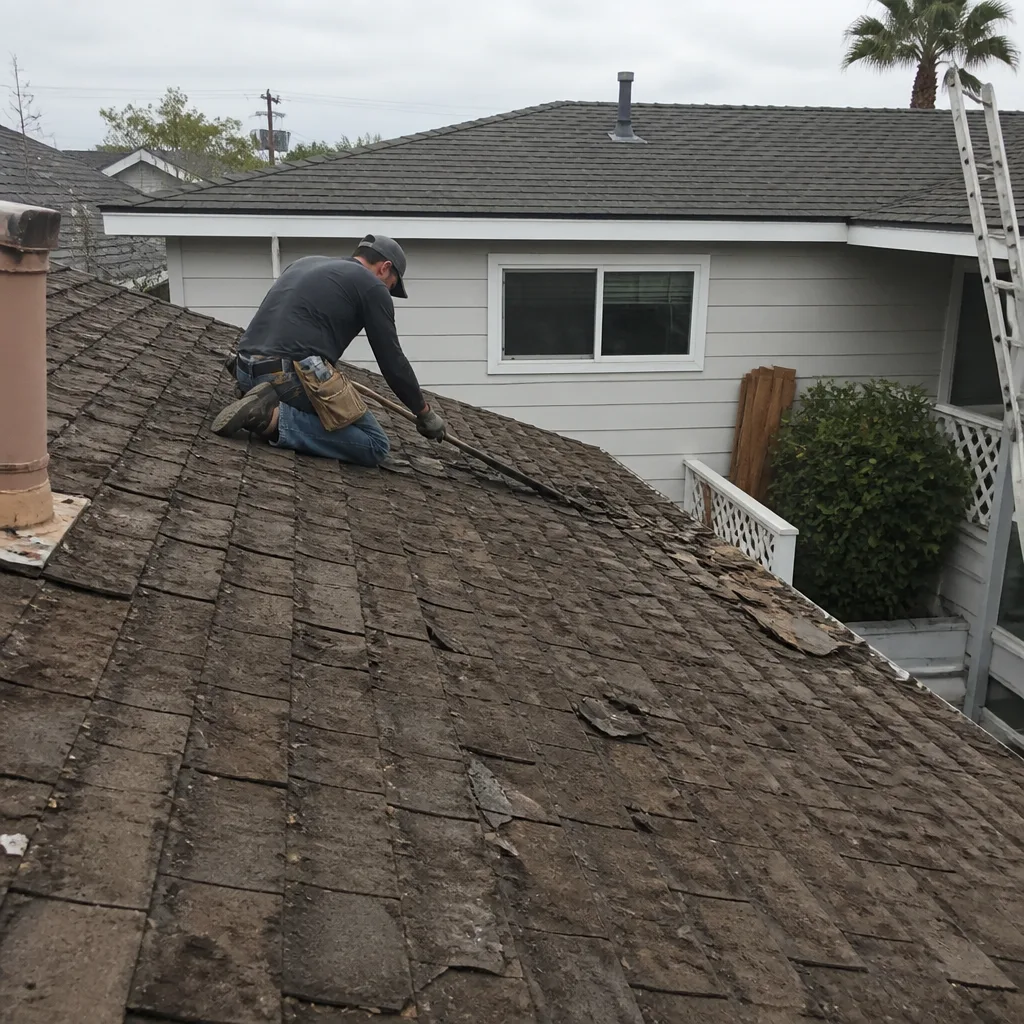 Before
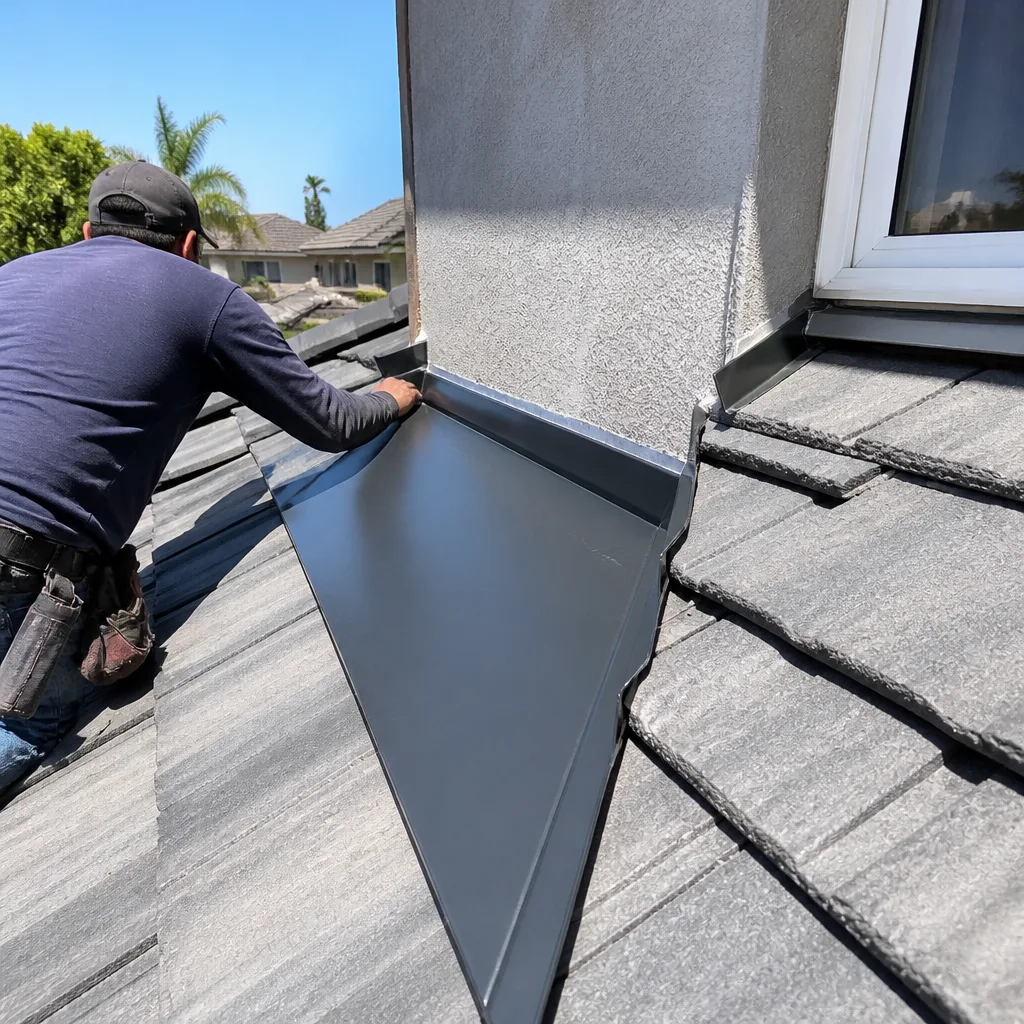 After
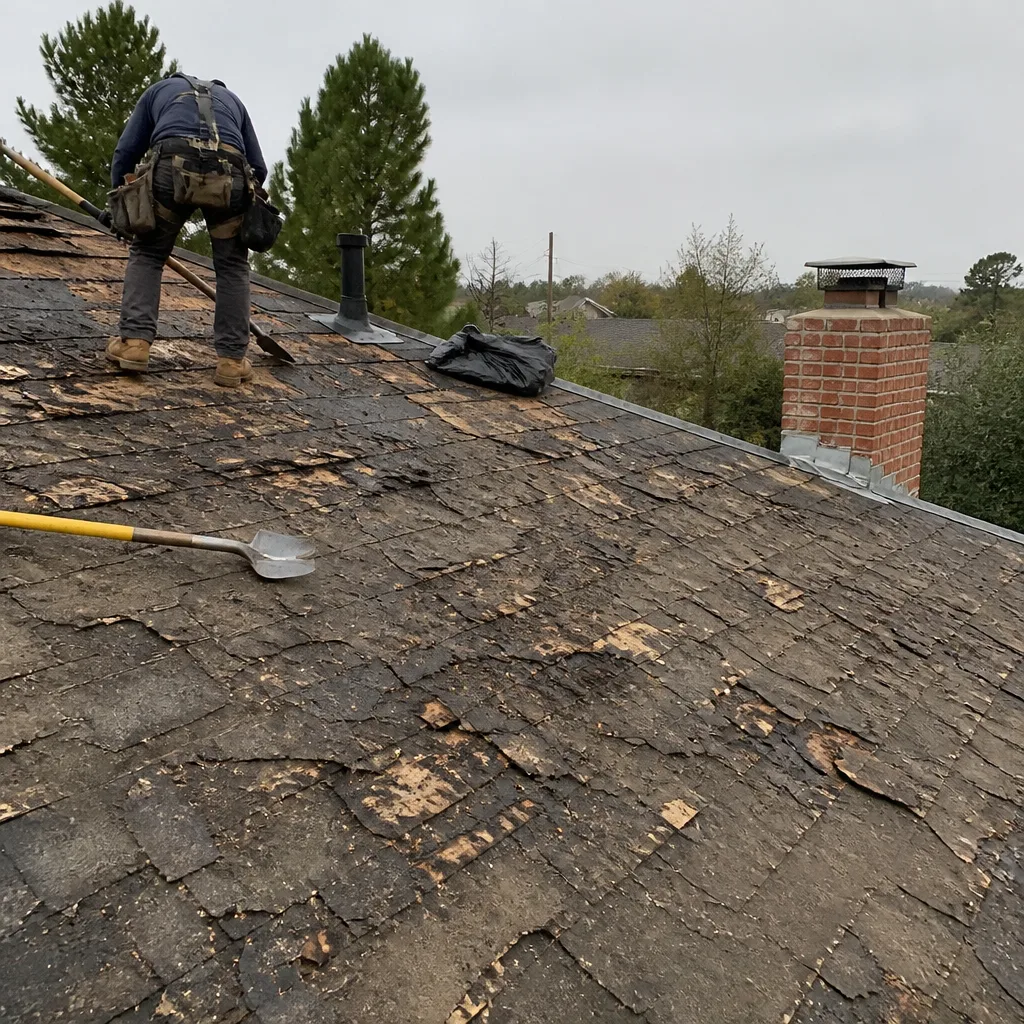 Before
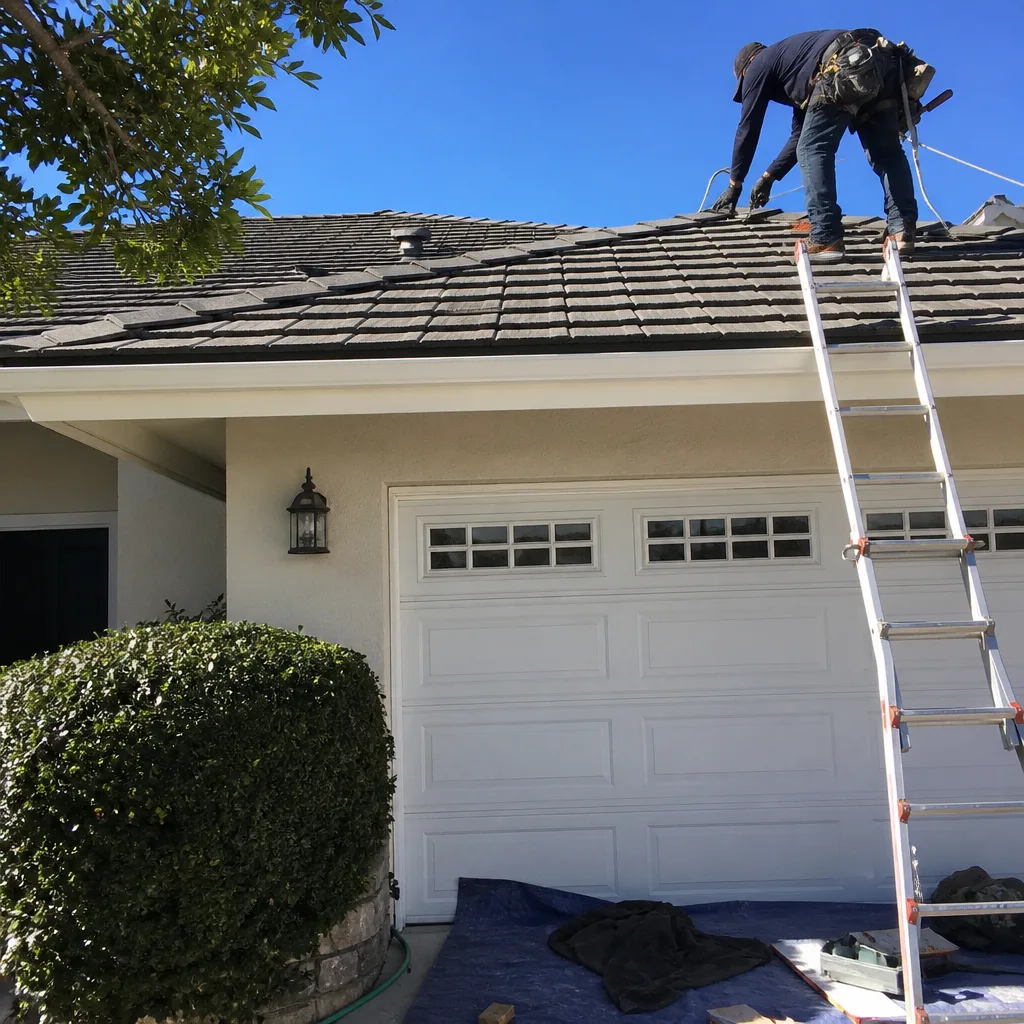 After
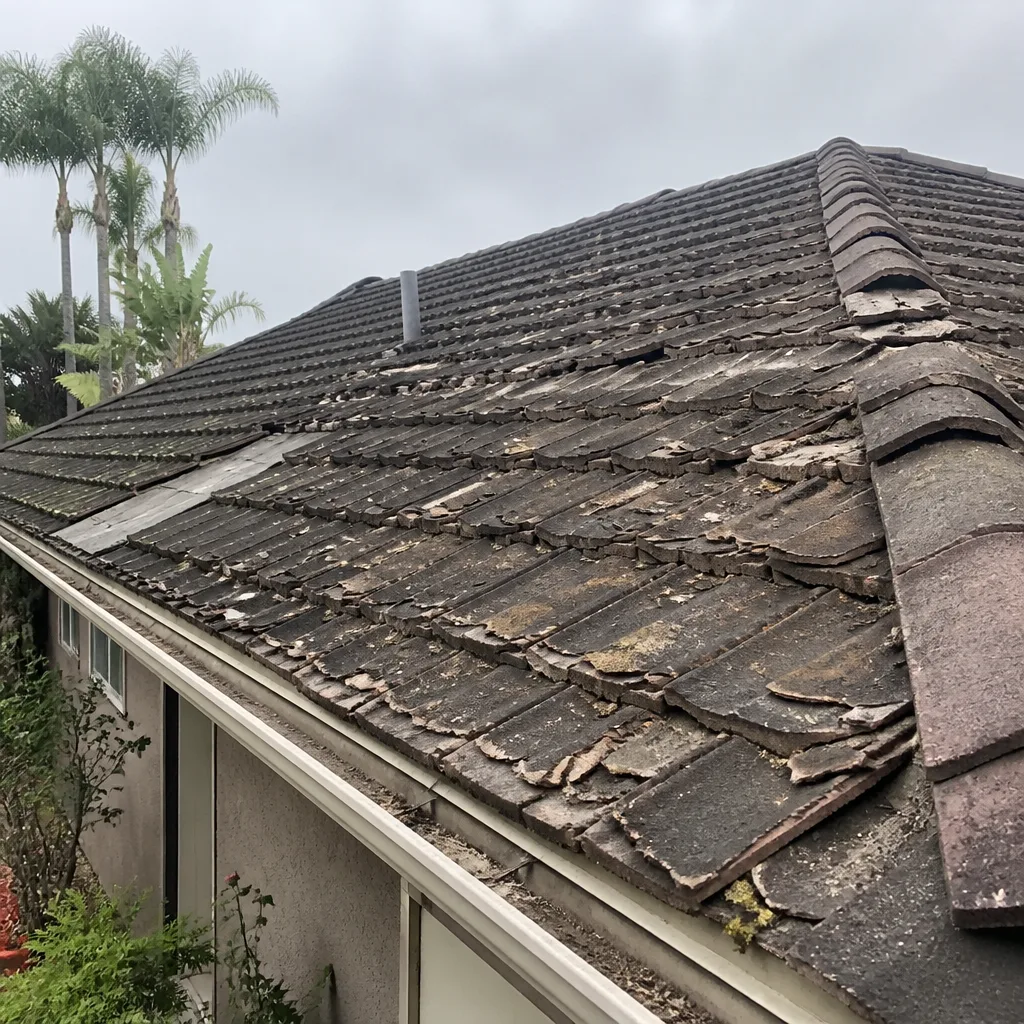 Before
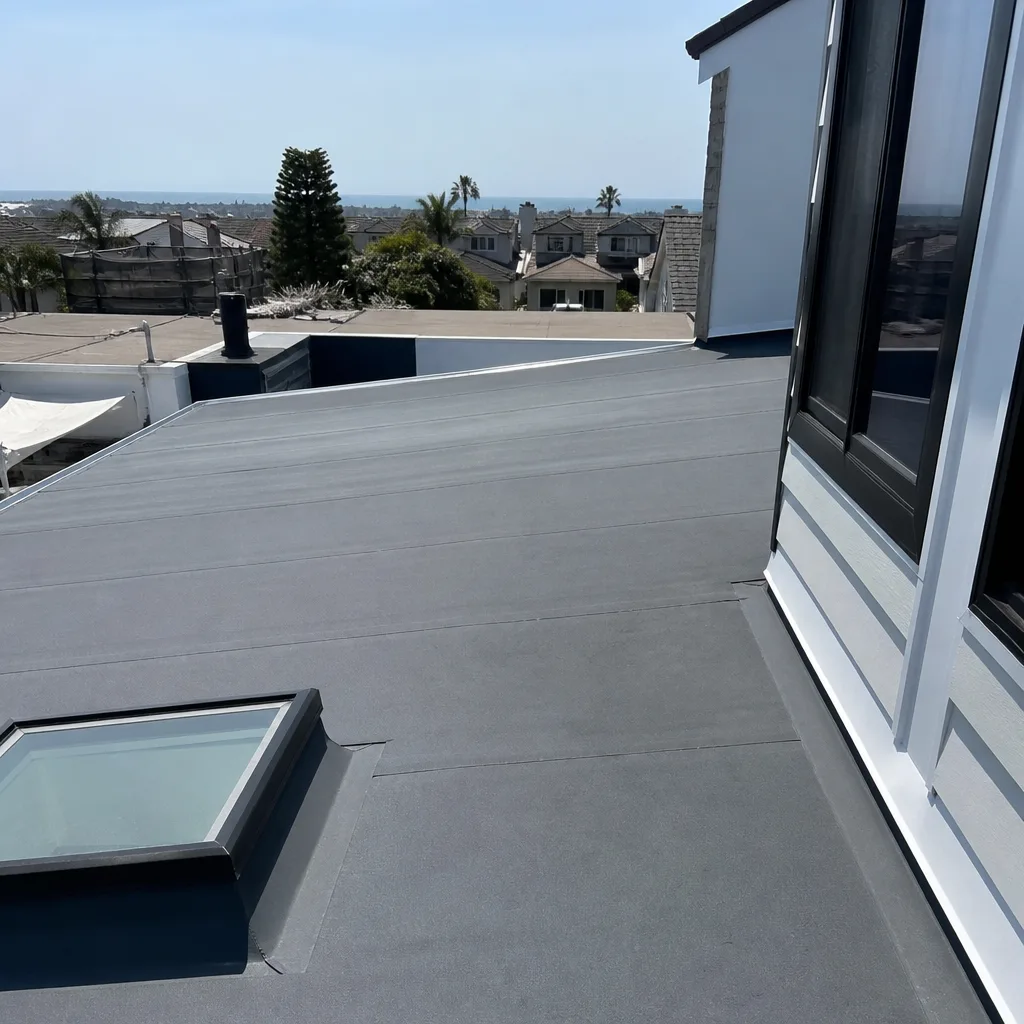 After