Last updated October 30, 2026
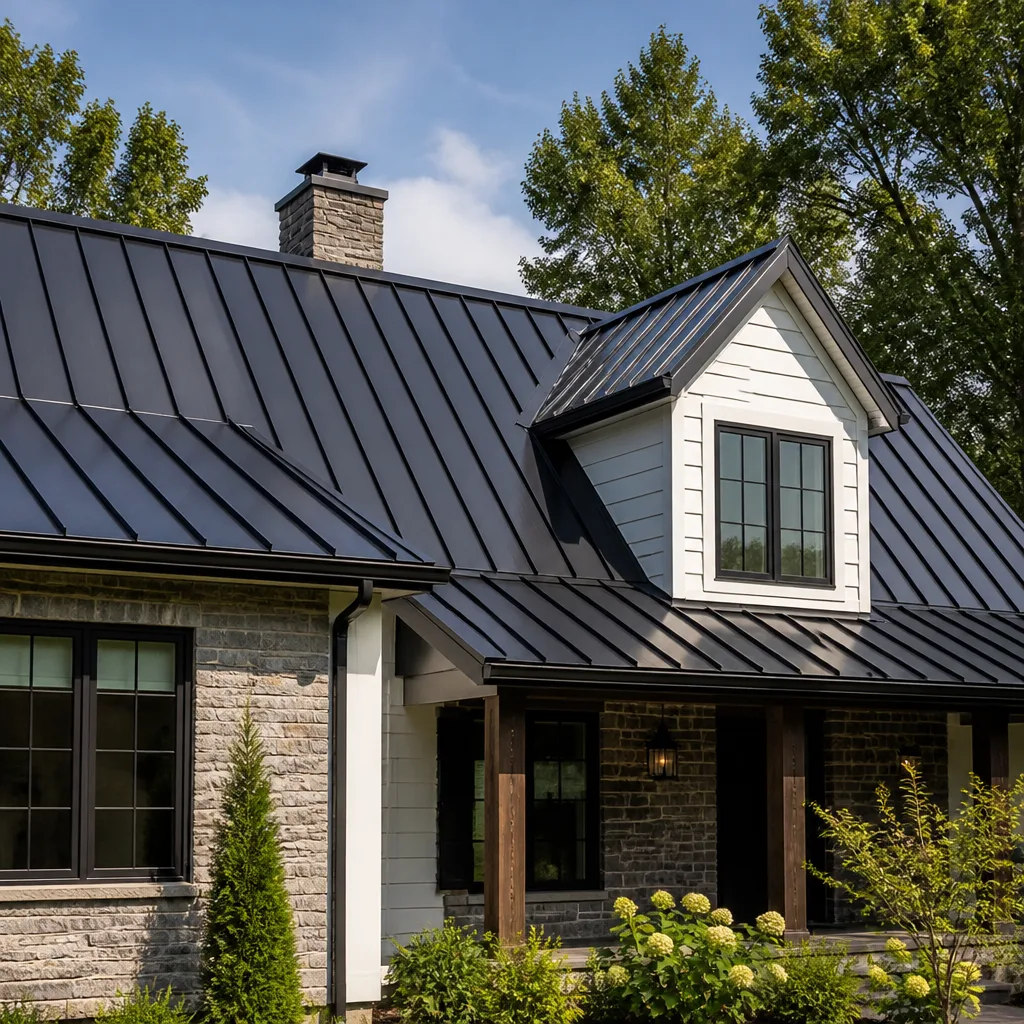 Metal roofing
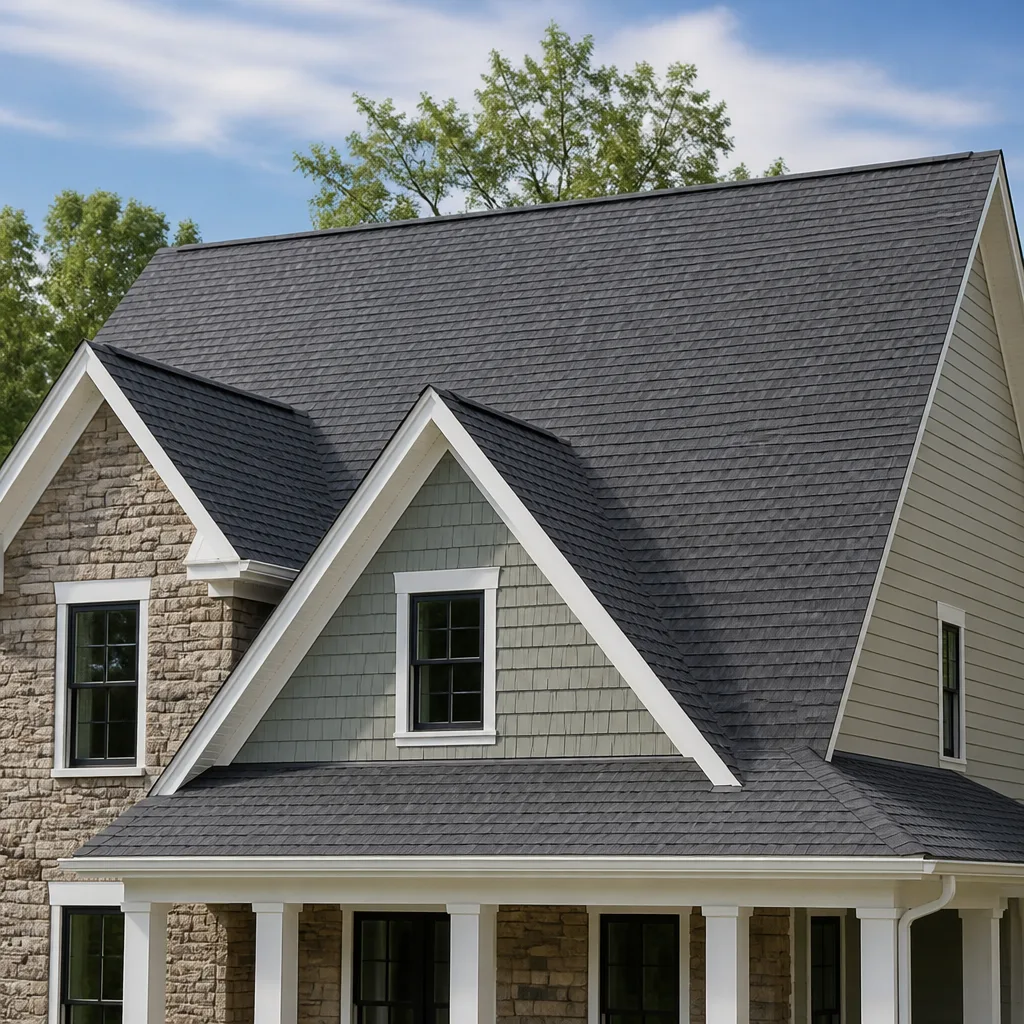 Architectural shingles
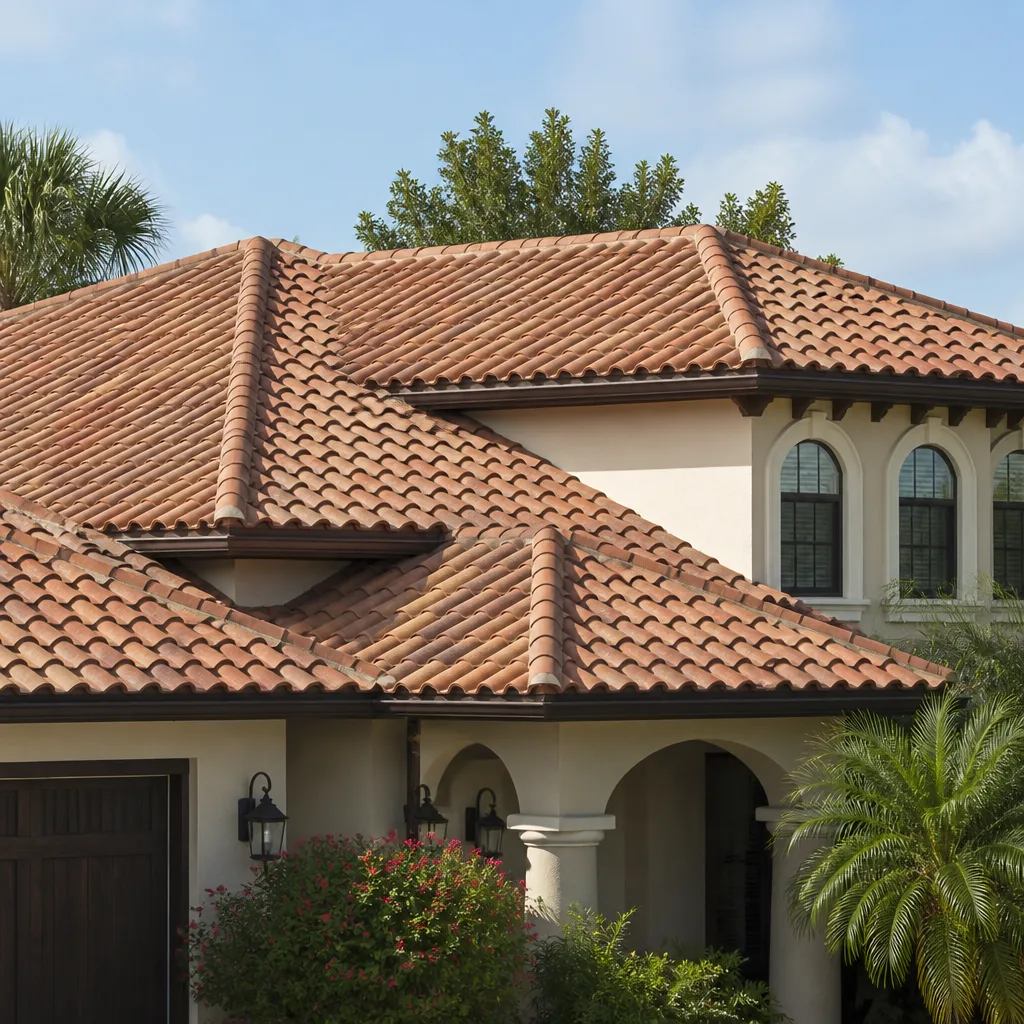 Tile roofing
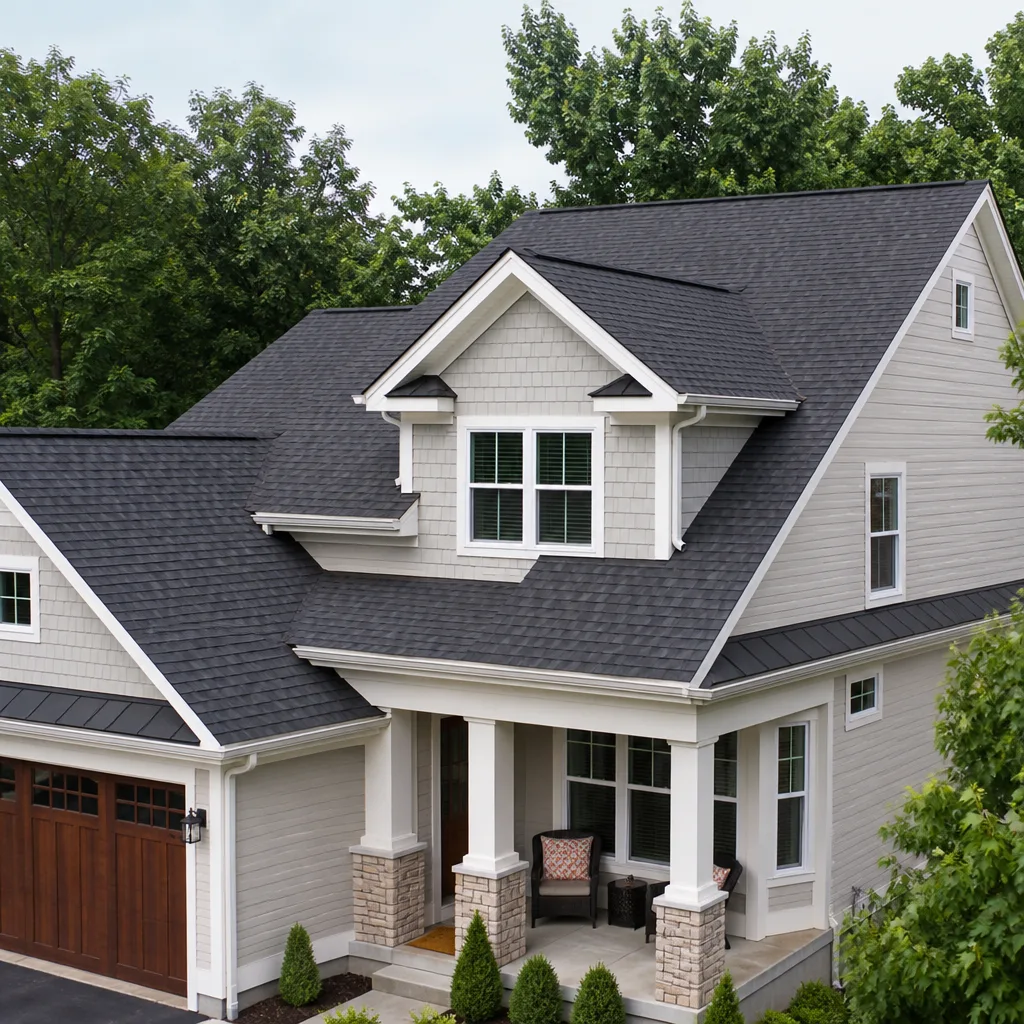 GAF
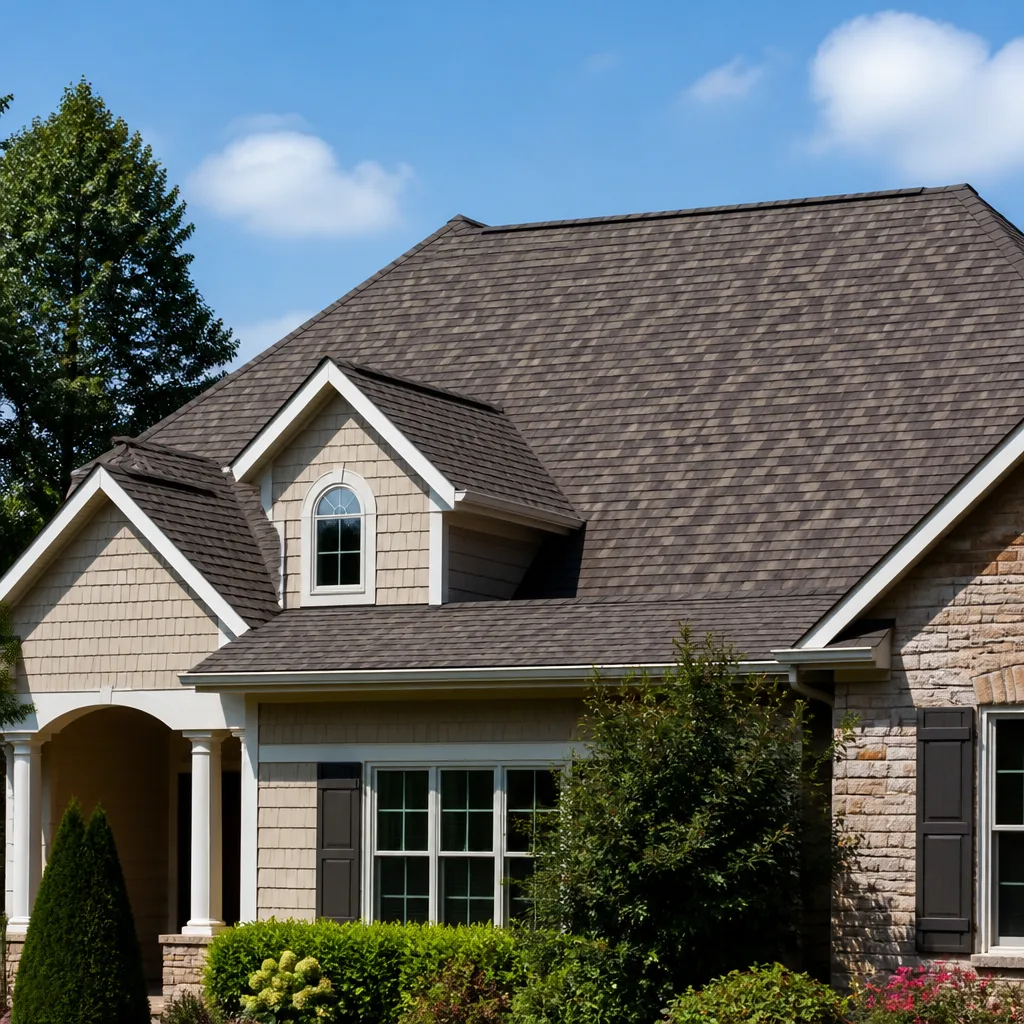 Owens Corning
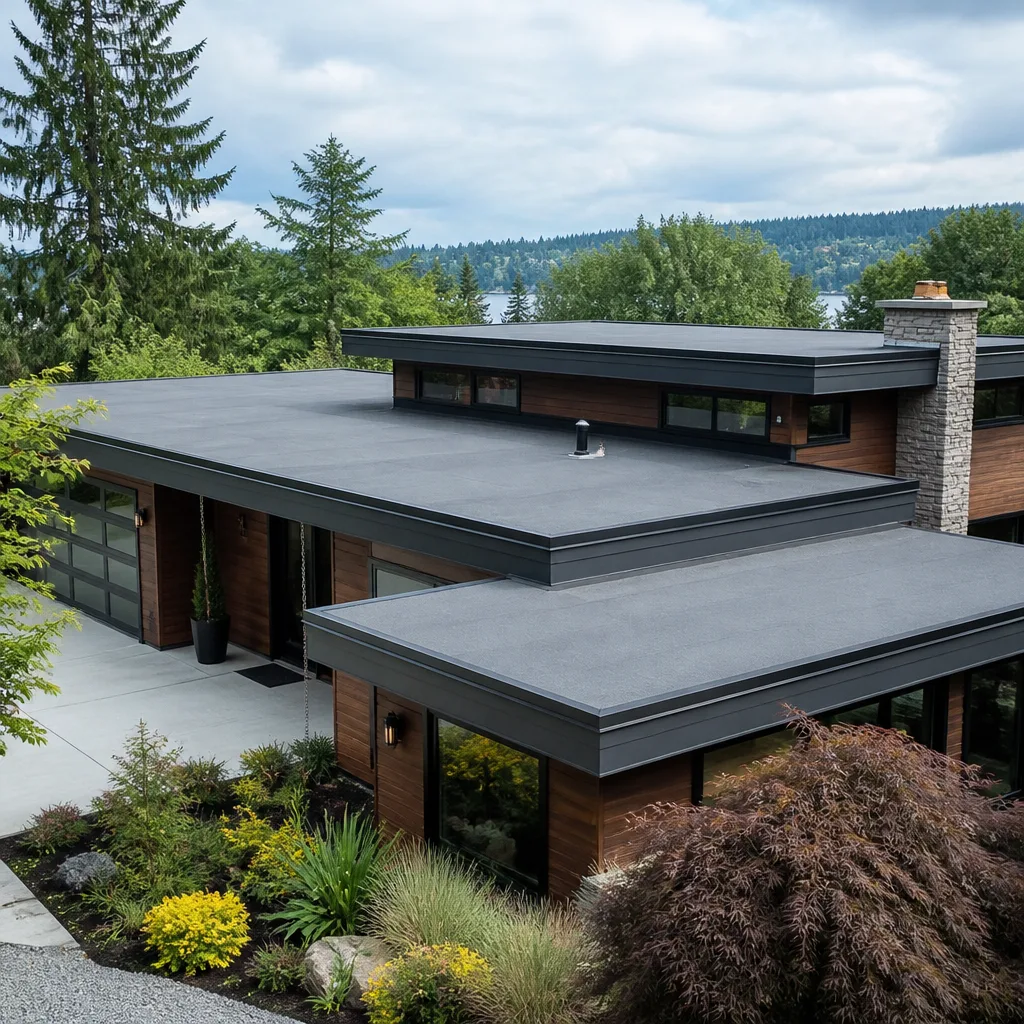 Flat & low-slope
Free roof inspection with deck photos before we talk money - GAF and Owens Corning certified installation
Choosing the Right Roofing Brand: A Buyer’s Guide for Newport Beach
The same shingle that lasts 30 years in Phoenix can underperform in Newport Beach. Not because the brand is bad, but because the coastal-rated product line within that brand wasn’t specified. Most homeowners never learn there’s a difference until they’re filing a warranty claim and the manufacturer asks which product line was installed. This guide walks you through what actually matters when choosing a roofing brand for a Newport Beach home: coastal product specifications, installer certification, Title 24 compliance, and the warranty fine print that determines whether your 30-year roof actually gets covered for 30 years.
Quick Answer
The best roofing brand for a Newport Beach home is whichever manufacturer has a coastal-rated product line that matches your roof’s specific exposure, installed by a contractor certified by that manufacturer. Among major brands, we recommend comparing the coastal lines from Owens Corning, IKO, Atlas, and Tamko side by side. Brand matters less than the product specification within each brand, and the installation credential behind it.
Styles & brands we work with
Table of Contents
- Why Newport Beach Roofs Need Different Product Lines
- What Manufacturer Certification Actually Means
- The Four Specifications Newport Beach Homeowners Should Compare
- The Brand vs. Contractor Tradeoff
- How Warranty Terms Actually Differ Between Brands
- How to Verify a Contractor’s Certification Status
- Common Mistakes to Avoid
- When to Call a Professional
- Frequently Asked Questions
Why Newport Beach Roofs Need Different Product Lines
Most homeowners assume a brand is a brand. GAF is GAF. Owens Corning is Owens Corning. But every major manufacturer builds multiple product lines under the same label, and they are not interchangeable. The standard architectural shingle sold in inland markets is often rated for moderate UV exposure, moderate wind, and standard humidity. That same shingle installed on a bluff-top home in Newport Beach where salt fog rolls in most mornings will age noticeably faster.
The difference comes down to three environmental factors that define Newport Beach roofing conditions more than almost anywhere else in California. First is UV load. We get roughly 280 days of sun per year, and the proximity to the ocean means less cloud cover than many inland Orange County cities. UV radiation breaks down asphalt binders over time, and shingles without enhanced UV stabilizers lose granules faster. Second is salt air. Marine chloride is corrosive and abrasive. It accelerates granule loss on the shingle surface and can corrode flashing and fasteners if the product line doesn’t specify corrosion-resistant materials. Third is the wind pattern. Newport Beach gets consistent onshore flow, not just during storms. Shingles rated for 60 mph wind under test conditions may perform adequately in Santa Ana, but a coastal exposure with sustained 20-30 mph afternoon winds puts a different kind of fatigue stress on the sealing strips and leading edges.
Not every home in Newport Beach has the same exposure. A house in Corona del Mar on the ocean side of Pacific Coast Highway faces a very different environment than a home in Newport Heights set back two miles. The point is that product specification should follow actual exposure, and that requires a contractor who looks at the roof before recommending a brand.
When we inspect a roof, we’re checking orientation, prevailing wind direction, distance from the water, tree coverage, and the condition of the existing shingles before we ever mention a manufacturer. The brand-agnostic approach matters because a homeowner in the Port Streets doesn’t need the same product as a homeowner in Balboa Peninsula. We work with seven manufacturers so the recommendation fits the roof, not the supplier relationship. That flexibility is the whole reason we recommend Roof Inspection in Lynwood as a standalone first step, not as a sales pitch for a new roof.
What Manufacturer Certification Actually Means
Manufacturer certification is the most under-discussed part of the roofing brand decision. Homeowners compare shingle colors and warranty booklets, but rarely ask whether the contractor is actually certified by the manufacturer to install the product they’re quoting. That matters because most premium warranties are only valid when installed by a certified contractor.
Certification is not a marketing badge. It’s a training and accountability program with real requirements. When a manufacturer certifies a roofing contractor, the company is saying it has verified that crew members completed product-specific installation training, that the company has a documented history of installing the product line correctly, that the installer agrees to follow the manufacturer’s installation specifications without substitution, and that the company maintains insurance and licensing standards acceptable to the manufacturer.
The installation specifications are the practical difference on the roof. Different brands have different nail patterns, different starter strip requirements, different underlayment specifications, and different ventilation requirements for warranty validity. A contractor who installs Owens Corning shingles the same way they install IKO shingles will likely void one of those warranties. The nail placement might be off by half an inch. The underlayment might be the wrong type. The warranty claim gets denied, and the homeowner never knew the installation was non-compliant.
For Newport Beach specifically, some manufacturers require enhanced nailing patterns for coastal wind zones. A certified installer is trained to know which pattern applies at which exposure level. An uncertified installer applies their default and the difference only shows up when a storm event actually tests the roof.
Verification is simple. Call the manufacturer. Ask. Every major brand has a contractor locator on their website. If the contractor claiming certification doesn’t appear there, they’re not certified. No exceptions. We recommend doing this before signing any contract, not after. The Sunridge Roof Repair home approach is simple: verify certification directly with the manufacturer, and ask for the written installation specification sheet before work begins.
The Four Specifications Newport Beach Homeowners Should Compare
When comparing roofing brands for a Newport Beach home, there are four performance specifications that matter more than the brand logo. These are the numbers that predict how the roof performs in this specific coastal environment.
1. Wind Resistance Rating
Look for a minimum of 110 mph wind resistance rating, and 130 mph for homes within a mile of the ocean or on ridge lines with direct exposure. Brands express this differently. Some use ASTM D3161, which tests shingle tabs under direct uplift. Others use ASTM D7158, which rates entire shingle assemblies from Class F through Class H. A Class H rating corresponds to approximately 150 mph uplift resistance. For most Newport Beach homes, Class F (110 mph) or Class G (120 mph) is adequate with proper installation, but coastal bluff properties should aim for Class H-rated lines. Owens Corning and Atlas both offer lines with high wind ratings in their architectural product tiers.
2. Algae Resistance
Newport Beach has persistent marine moisture for much of the year, and algae growth is a frequent appearance issue on north-facing and shaded roof sections. The industry standard is algae resistance rated per ASTM D3273. Most mid-tier and premium lines now include copper granule additives that prevent the streaking algae causes. The spec to look for is a 10-year or longer algae resistance warranty. IKO’s Cambridge line and Atlas’s Pinnacle line both include extended algae resistance at their respective price points.
3. Class A Fire Rating
Without exception, you want a Class A fire rating. This is the highest rating available and covers the full assembly, including underlayment. Some value-tier products achieve a Class A rating only with specific underlayment combinations, while premium lines hold the rating across more assembly combinations. When comparing brands, confirm that the Class A rating applies to the complete system the contractor is quoting, not just the shingle itself. Tamko and IKO both offer Class A-rated architectural shingles with the proper underlayment specification.
4. Title 24 UV Reflectivity
California’s Title 24 energy code sets minimum requirements for roof surface reflectivity in new construction and re-roofing projects where a permit is pulled. The relevant standard is the Cool Roof Rating Council’s measurement of solar reflectance and thermal emittance. For most residential projects in Orange County, the requirement is a minimum aged solar reflectance of 0.20 and a minimum thermal emittance of 0.75, depending on the slope. Some coastal product lines exceed this significantly with reflective granule technologies. This matters because a roof that fails the Title 24 inspection creates delay and cost at project close-out. Verify that any brand being quoted meets the current Title 24 prescriptive requirements for your roof type before signing.
These specifications are not independent. A product line may excel in wind resistance but underperform in algae resistance. The decision depends on which risks are most present for your specific Newport Beach location.
Newport Beach Roofing Brand Quick Comparison
- Owens Corning – Strong wind-rated architectural lines. Good algae resistance on premium tiers. Widespread certification network.
- IKO – Good value-to-performance ratio. Cambridge line includes strong algae and wind resistance at a mid-tier price point.
- Atlas – WeatherMaster and Pinnacle lines with excellent wind ratings. Good Title 24 reflectivity options.
- Tamko – Competitive value tier with Class A fire rating across most architectural lines. Reliable spec for budget-conscious coastal projects.
The Brand vs. Contractor Tradeoff
This is the honest part of the conversation that most sales pitches skip. A mid-tier product installed perfectly by a certified specialist will often outperform a premium product installed by a generalist contractor who rarely works with that specific material.
The reason is straightforward. Roofing products fail at their installation points more often than they fail in the field of the shingle. A premium shingle with a 40-year warranty installed with incorrect nailing, improper starter strip alignment, or the wrong underlayment becomes a 10-year roof that the manufacturer won’t stand behind. The shingle itself is fine. The installation wasn’t.
In Newport Beach, this tradeoff is amplified by the coastal environment. The margin for error on a roof exposed to constant marine wind is thinner than on a protected inland roof. A misaligned starter course that would go unnoticed in an inland development creates a peel point in sustained coastal wind. A generalist contractor who installs one or two roofs a month doesn’t have the pattern recognition to catch that before it becomes a problem. A roofing-only specialist who installs 20 or 30 roofs a month does.
This is why our company position is deliberately narrow. We do roofing. Not siding, not gutters, not windows. That focus means every crew member’s training, every tool on the truck, and every process we follow is centered on one trade. When we recommend a product line from one of our seven manufacturers, that recommendation comes from a roofing-specific context, not a generalist’s catalog. It’s the same reason we urge homeowners to treat Roof Repair in Lynwood and Roof Replacement in Lynwood as separate decisions that require different expertise, not one interchangeable vendor.
The practical result is that a homeowner choosing between a Tier 2 brand at a certified specialist and a Tier 1 brand at a generalist is often better served by the Tier 2 product. The warranty actually pays out. The installation actually holds. And the total lifecycle cost ends up lower even though the material was less expensive on paper.
How Warranty Terms Actually Differ Between Brands
Every manufacturer markets a “lifetime” warranty. The word is technically accurate and practically misleading. What varies between brands is not the word “lifetime” but the non-prorated period within it.
A lifetime warranty in the roofing industry typically means the warranty covers the product for as long as the original homeowner owns the home. But the coverage is almost always prorated after an initial non-prorated period. During the non-prorated period, the manufacturer covers both materials and, in some cases, installation labor on a failed shingle. After the non-prorated period expires, the manufacturer pays a declining percentage of the material cost based on the age of the roof, eventually approaching nothing.
The non-prorated period is where brands diverge significantly. Some manufacturers offer 10-year non-prorated coverage on their mid-tier lines. Others offer 15 or 20 years on premium architectural lines. The difference matters because a shingle failure in year 12 on a 10-year non-prorated line means the homeowner receives partial material coverage. The same failure on a 15-year non-prorated line is fully covered, including labor if the installer is certified.
There are also installation requirements that can void coverage without the homeowner ever knowing. The most common in Newport Beach is improper ventilation. Attic ventilation is essential to shingle longevity in a high-UV coastal climate. Manufacturers specify minimum ventilation ratios for warranty validity. If the contractor doesn’t install adequate ventilation, the shingles are more likely to fail from heat and moisture retention, and the warranty claim may be denied because the installation didn’t meet specification. A certified installer knows the ventilation requirement going in. A generalist may not.
Another common voiding issue is mixing product lines. Using a starter strip from one brand and field shingles from another can void both warranties. Same with ridge cap products. The warranty coverage requires the complete system to come from the specified manufacturer’s approved components. Homeowners should ask for the written warranty booklet before installation and read the installation requirements section carefully.
How to Verify a Contractor’s Certification Status
Certification claims are easy to make and harder to verify than most homeowners expect. A contractor can print a manufacturer logo on their website without permission. The way to verify is direct.
Here’s the step-by-step process we recommend for Newport Beach homeowners:
- Ask the contractor which manufacturer certifications they hold, and for which specific product lines. A contractor may be certified for a manufacturer’s mid-tier line but not their premium coastal specialty line. The distinction matters.
- Go to the manufacturer’s website and locate their contractor locator tool. Every major brand has one. Enter the contractor’s company name and service area.
- Confirm the contractor appears in the manufacturer’s database. If they don’t, they’re not certified. No amount of explanation changes that.
- Call the manufacturer’s contractor services line and verify the certification is current. Certifications can lapse. Some brands require annual re-certification with updated training.
- Ask to see the manufacturer’s installation specification sheet for the specific product being quoted. The contractor should provide this without hesitation. If they can’t produce it, they’re likely installing from habit rather than specification.
- Request a written scope of work that references the manufacturer’s installation specifications by name. This creates a written record that matters if a warranty dispute ever arises.
In our experience, homeowners who do these six steps end up with measurably better roofs. Not because the shingles are different, but because they selected a contractor whose work is built to the manufacturer’s tested standard. Every Roof Inspection in Lynwood we perform includes a review of installation condition against the original manufacturer specifications, because spec compliance is what determines whether problems appear in year 5 or year 25.
Common Mistakes to Avoid
- Buying the brand instead of the product line. Every major manufacturer builds multiple tiers under one logo. The premium coastal-rated line from a value brand may outperform the entry-level line from a premium brand. Compare specific product lines, not brand names.
- Trusting “lifetime warranty” without reading the non-prorated period. Lifetime usually means prorated after 10 to 20 years. The non-prorated period is the part of the warranty that actually pays for failures.
- Skipping certification verification. An uncertified installer can void a warranty on day one, even if the shingles are installed competently. Verify with the manufacturer directly.
- Ignoring Title 24 requirements. A roof that passes inspection but fails Title 24 compliance creates a problem at project close-out, and fixing it after the fact costs more than specifying the right product line from the start.
- Using inland product specifications for a coastal home. A home in Newport Beach with direct ocean exposure needs different wind and corrosion specifications than a home in Irvine. Product selection should follow actual environmental exposure, not a generic recommendation.
- Mixing brands within one roof system. Using shingles from one manufacturer and accessories from another can void both warranties. The complete system should come from one manufacturer’s approved components.
- Choosing the contractor based only on price. The lowest quote is rarely the best value. A properly specified and installed roof from a mid-tier brand will outlast a premium product that was installed without certification. Compare total lifecycle cost, not initial bid.
When to Call a Professional
If you’re seeing granule loss in your gutters, cracked or curling shingles, daylight visible in the attic, or water staining on ceilings after rain, those are signs that warrant a professional assessment before they become larger problems. Newport Beach’s coastal environment can accelerate the progression from minor damage to structural problem faster than most homeowners expect.
A roof inspection is also advisable before buying or selling a home, after any significant storm event, and when your roof passes the 15-year mark regardless of visual condition. Sunridge Roof Repair offers free estimates in Newport Beach. Call (833) 589-5180 to schedule an inspection. We inspect before we recommend, and we’ll tell you honestly whether your roof needs repair, replacement, or nothing at all.
Frequently Asked Questions
The best brand is whichever manufacturer has a coastal-rated product line that matches your specific home’s exposure, installed by a contractor certified by that manufacturer. We recommend comparing Owens Corning, IKO, Atlas, and Tamko coastal product lines side by side, then verifying the installer’s certification directly with the chosen manufacturer. Call (833) 589-5180 for help evaluating your specific roof’s needs.
Roof replacement in Newport Beach typically ranges from $12,000 to $35,000 depending on roof size, slope, selected product tier, and whether any structural repair is needed underneath. Coastal-rated product lines run higher than standard architectural shingles, but the added cost buys faster wind-rated installation and longer non-prorated warranty coverage. Call (833) 589-5180 for a written line-item estimate specific to your roof.
Yes. Most premium and mid-tier roofing warranties are only valid if installed by a contractor certified by the manufacturer. An uncertified installation can void the warranty entirely, even if the shingles fail due to a manufacturing defect. Verify certification directly with the manufacturer before signing a contract.
A properly installed architectural shingle roof using a coastal-rated product line can last 25 to 30 years in Newport Beach. The same shingle in an inland climate may reach 30 to 35 years. The difference is driven by UV exposure, salt air, and persistent marine wind, which is why product specification and installation quality matter more here than in most California markets.
Title 24 is California’s energy efficiency building code. It sets minimum requirements for roof surface solar reflectance and thermal emittance on new construction and re-roof projects requiring permits. A roof that doesn’t meet Title 24 requirements can fail inspection and delay project completion. Confirm that any brand being quoted meets current Title 24 requirements for your roof slope.
In many cases, yes. Repair is appropriate when the roof deck is sound and the damage is localized, such as isolated leaks, missing shingles, or flashing failures. Replacement is appropriate when the roof has reached the end of its serviceable life or the damage is widespread. Sunridge Roof Repair offers Roof Repair in Lynwood and Roof Replacement in Lynwood as separate services precisely because we inspect before we recommend, and repair when repair is right.
The Bottom Line
Choosing the right roofing brand in Newport Beach comes down to product specification, not brand loyalty. Coastal exposure demands product lines engineered for UV load, salt air, and sustained marine wind, and those requirements vary from neighborhood to neighborhood. Manufacturer certification for the installer is non-negotiable, because the warranty you’re buying is only as good as the credential behind the installation. Compare the four specifications that matter: wind resistance, algae resistance, fire rating, and Title 24 reflectivity. Then choose a contractor who is certified by the manufacturer whose product line fits your roof. Sunridge Roof Repair works with seven major manufacturers including Owens Corning, IKO, Atlas, and Tamko so your choice of materials never suffers from a supplier relationship. Call (833) 589-5180 for a free estimate on your Newport Beach roof.
Written by the team at Sunridge Roof Repair, serving Newport Beach since 2011.
See the difference
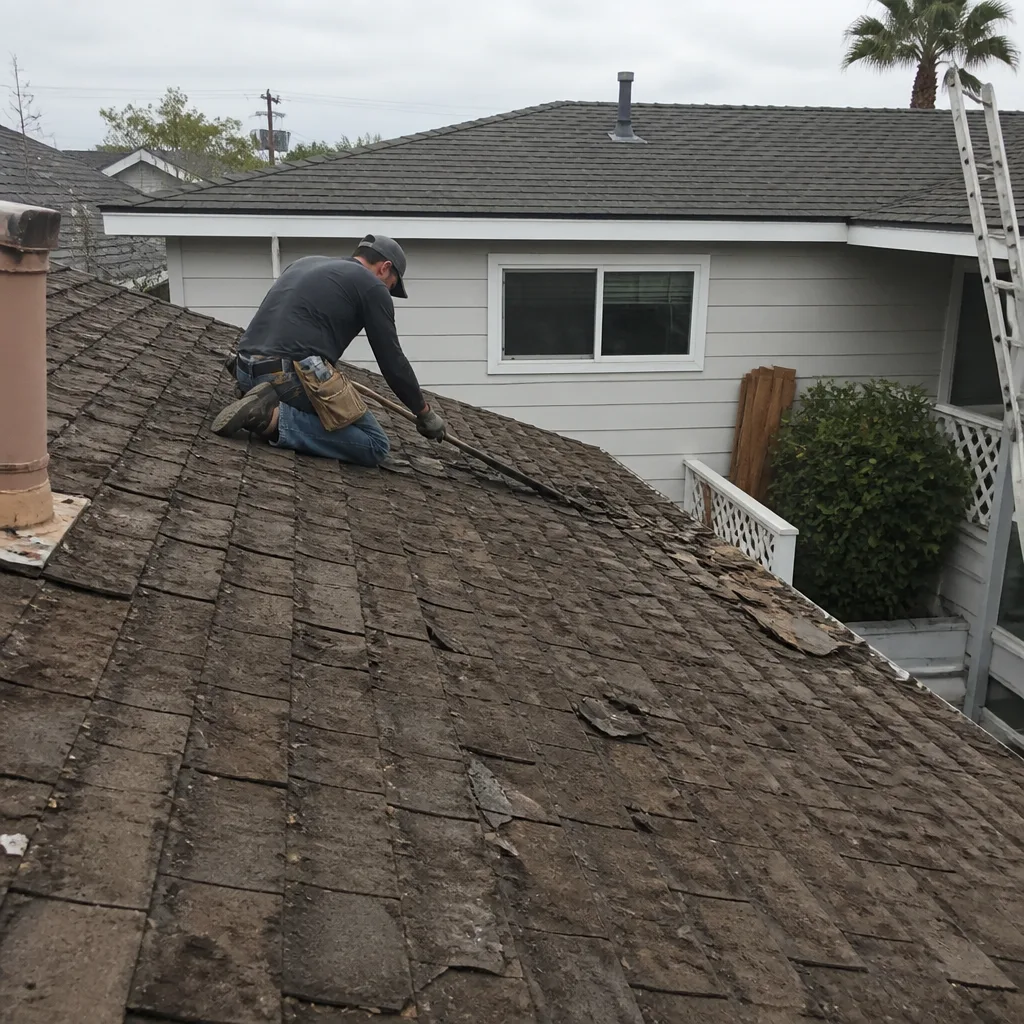 Before
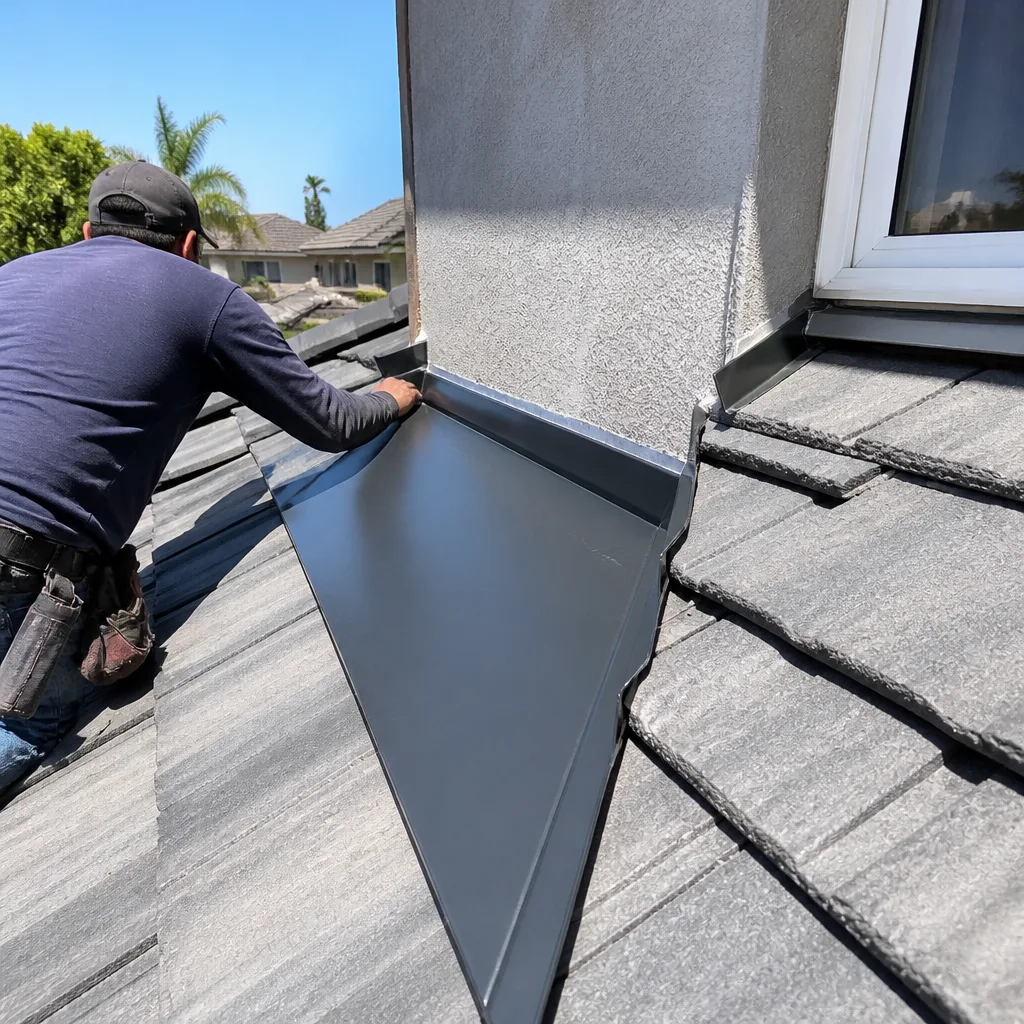 After
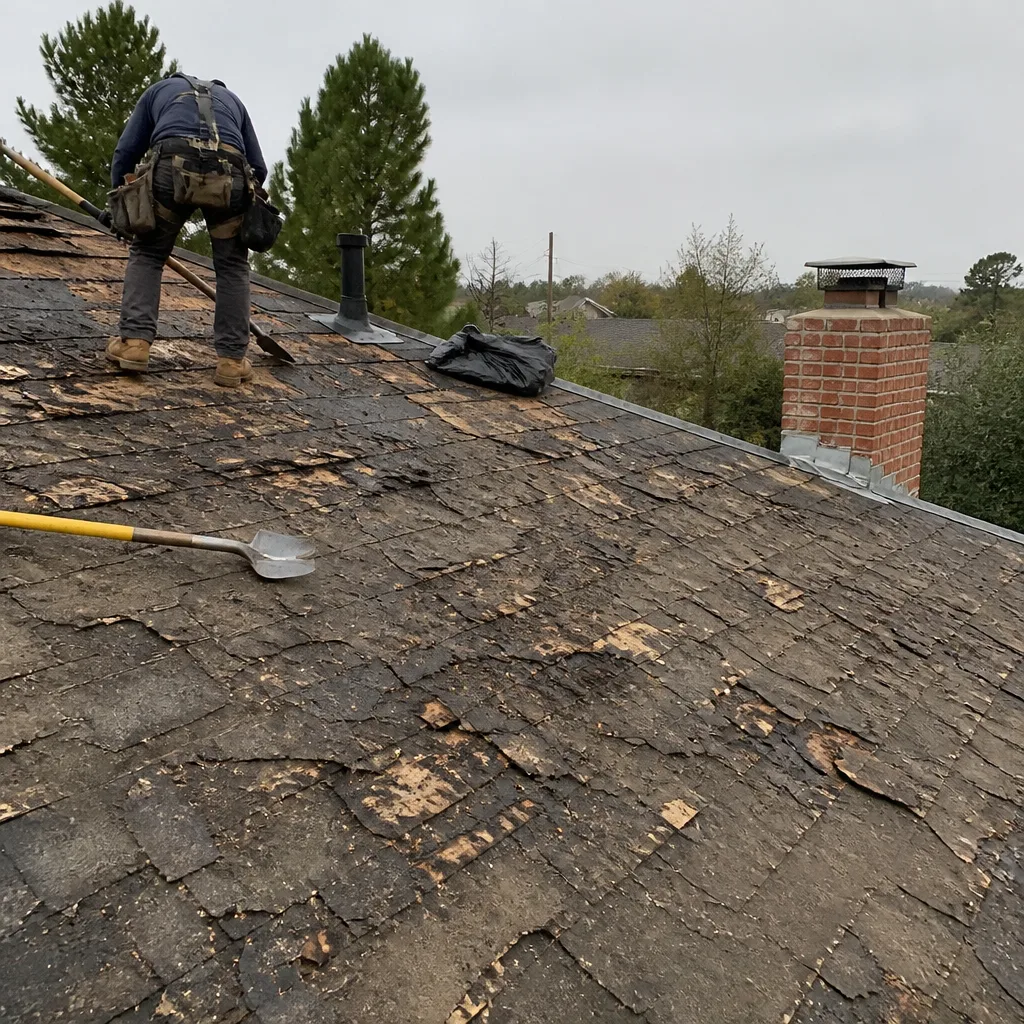 Before
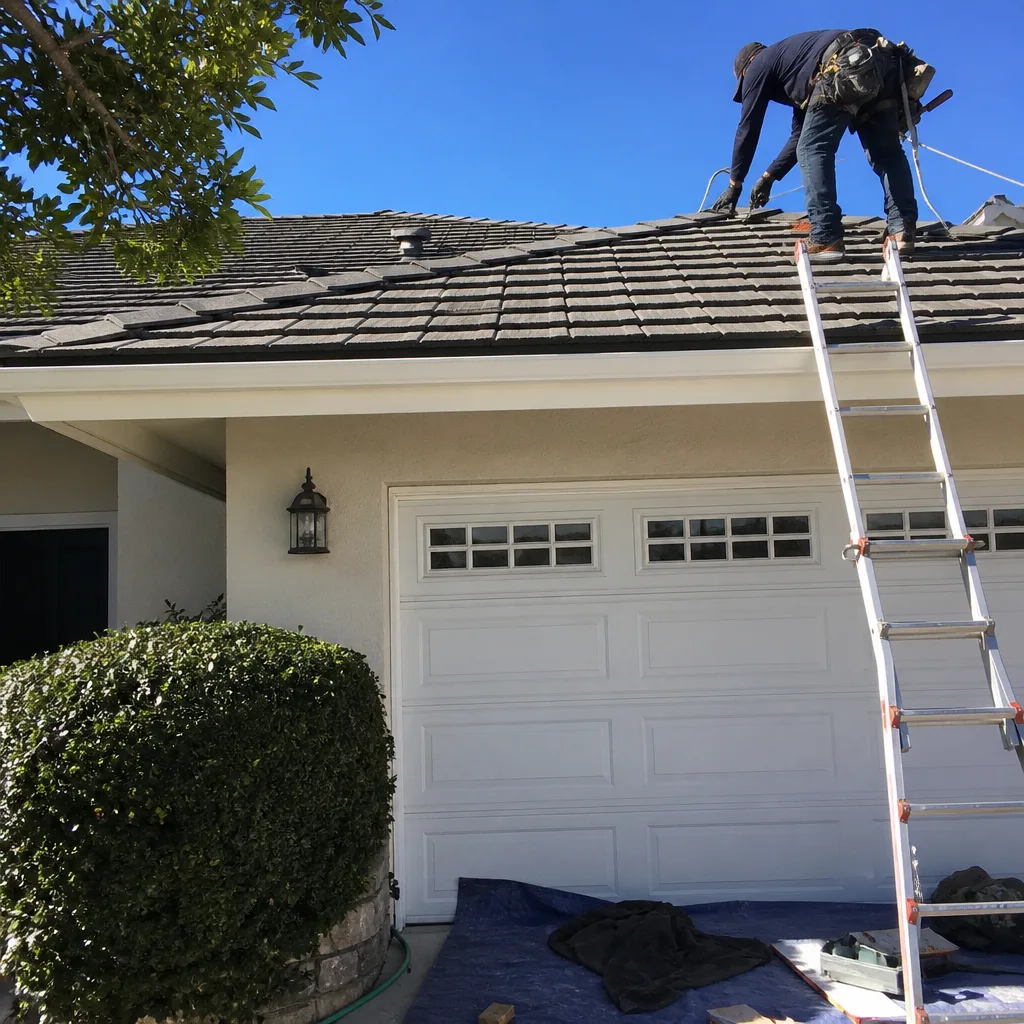 After
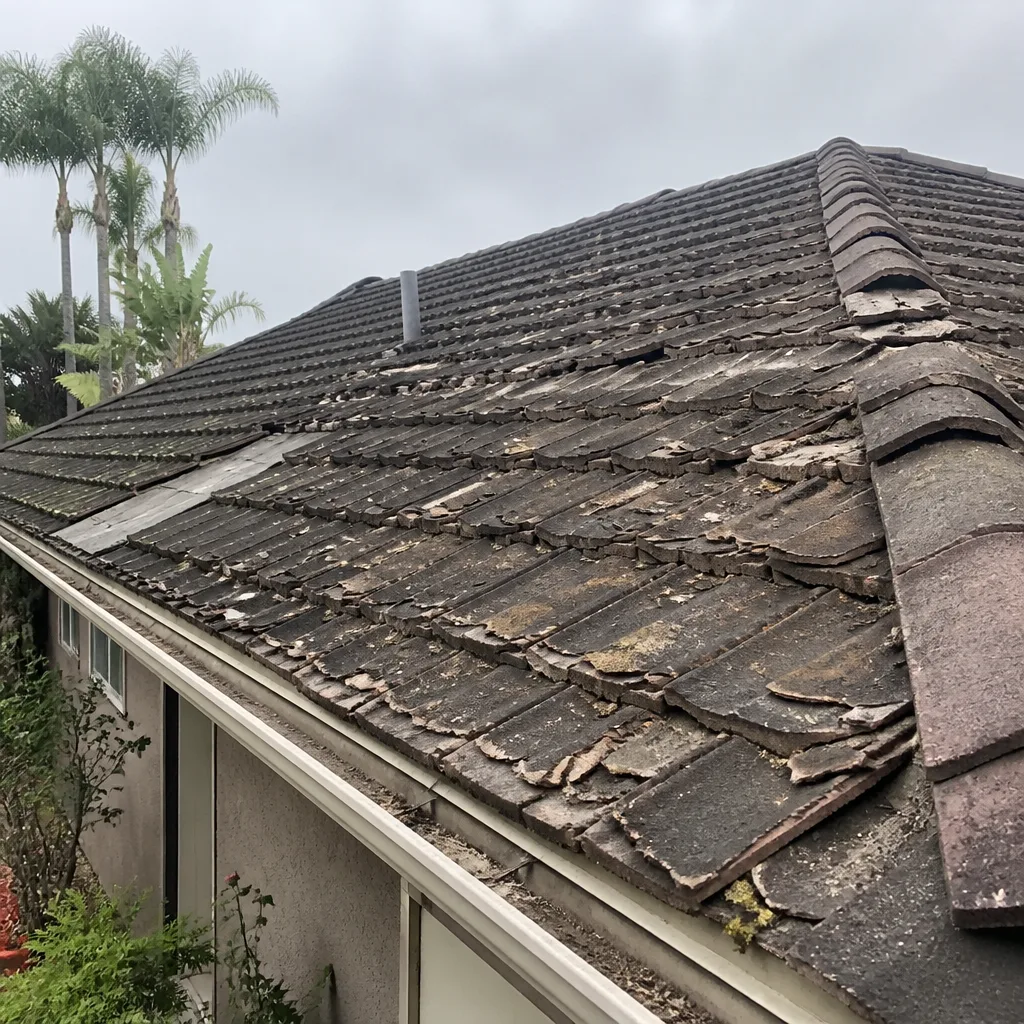 Before
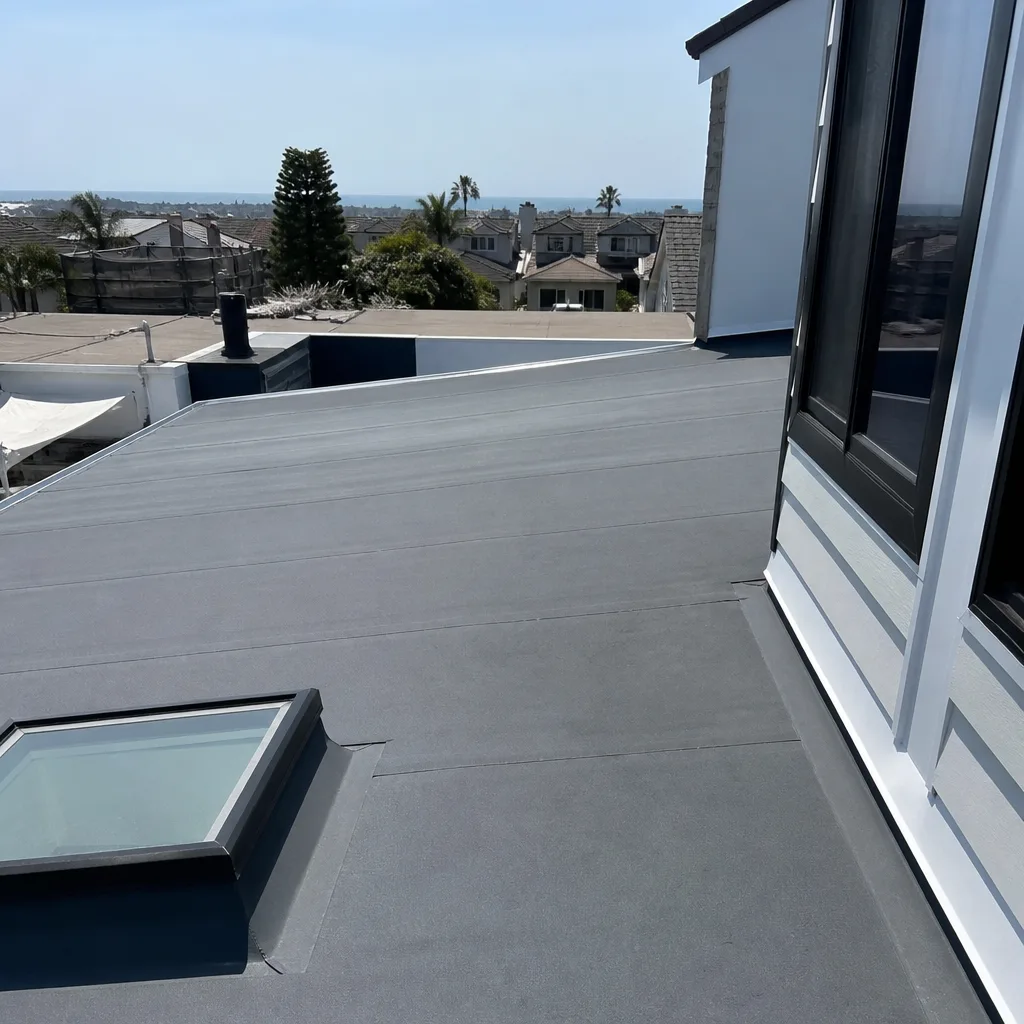 After