
Last updated October 30, 2026
 Metal roofing
 Architectural shingles
 Tile roofing
 GAF
 Owens Corning
 Flat & low-slope
Free roof inspection with deck photos before we talk money - GAF and Owens Corning certified installation
Roofing Emergency Preparedness Guide for Newport Beach Homes
When a Santa Ana wind event or atmospheric river is 48 hours out, it’s too late to fix anything on your roof – and too late to get a contractor who isn’t already booked. Emergency preparedness for Newport Beach roofs is a September task, not a November one. The homeowners who fare best during coastal storm season aren’t the ones with the fastest response after damage; they’re the ones who spent a few focused hours in early fall checking sealants, clearing scuppers, and staging materials before the first wind gust or rain band arrived. This guide walks you through exactly what to do in that preparation window, how to handle the emergency itself if one hits, and what to document for insurance when the wind finally dies down. For seasonal roofing care in Newport Beach: a year-round homeowner’s guide, see our related resource. We’ve written this specifically for Newport Beach conditions: salt air, Santa Ana wind patterns, atmospheric river rain events, and the unique roof failures we see again and again in this coastal climate.
Styles & brands we work with
Quick Answer
Roof emergency preparedness for Newport Beach homes means completing a pre-season inspection and repair pass by late September, staging emergency tarping materials before storm season starts, knowing which roof failures are true emergencies versus deferred repairs, and documenting everything with time-stamped photos the moment damage occurs. The sequence that matters: inspect and fix in September, verify drainage before the first major rain in October or November, stage tarp materials by Thanksgiving, and photograph immediately after any storm event in January through March. Call (833) 589-5180 for a free estimate if any pre-season inspection turns up cracked sealant, lifted flashing, or worn sections that won’t survive a Santa Ana event.
Table of Contents
- Why Newport Beach Roofs Fail Differently During Emergencies
- The September Preparation Timeline: 30 Days Before Storm Season
- The Pre-Rain Checklist: What to Verify Before the First Atmospheric River
- Emergency Tarping: How to Do It Without Causing More Damage
- Documenting Storm Damage for Insurance: The Exact Sequence
- The Newport Beach Emergency Response Chain: Who to Call, in What Order
- Post-Storm Contractor Availability: Realistic Expectations
- Common Mistakes to Avoid
- When to Call a Professional
- Frequently Asked Questions
- The Bottom Line
Why Newport Beach Roofs Fail Differently During Emergencies
Newport Beach has a roof failure profile unlike inland Southern California cities. Three specific conditions combine here, and they change what preparation actually needs to look like.
First, salt air. Homes west of Newport Boulevard, and especially anything within a mile of the coast in Lido Isle, Balboa Peninsula, and Corona del Mar, carry a constant layer of airborne salt that accelerates sealant degradation. The neoprene pipe boots, the mastic around flashings, the plastic collar around your furnace flue – these materials oxidize faster in Newport Beach than they do in Irvine or Tustin. By the time a Santa Ana wind event arrives, that dried-out sealant is brittle enough to crack under pressure. What looks like a minor maintenance item in July becomes a wind-driven leak in November.
Second, the Santa Ana pattern. Wind comes from the northeast, down through the passes, and hits Newport Beach at 40 to 70 mph in sustained bursts. That’s not the same as a coastal squall. Northeast winds attack the roof from the ridge line downward, catching the underlap of shingles that were lapped for a different predominant weather direction. Lifted shingle tabs on the northeast-facing slope are the most common emergency we see after these events. The failures are concentrated, predictable, and largely preventable with a pre-season check.
Third, the atmospheric river sequence. Newport Beach typically sees months of near-zero rainfall from June through October. Then a single atmospheric river event can drop 3 to 5 inches over 48 hours. The failure point isn’t the new rain; it’s what the dry spell did to the roof before the rain arrived. Expansion joints have opened. Flashing has started to separate from walls. Scuppers and downspout inlets have filled with dry debris that six months of wind has deposited. When the rain hits, water finds every gap that the drought created.
Emergency preparedness in Newport Beach means understanding that your roof is attacked by wind from one direction, rain from another, and salt from the west constantly. The fixes that matter most are the ones that address those specific vectors.
The September Preparation Timeline: 30 Days Before Storm Season
Santa Ana season in Newport Beach typically runs October through March, with peak wind events concentrated in late fall and early winter. Atmospheric river events can arrive as early as October but are most common January through March. That makes September the single most important month for roof preparation. Here’s the sequence we recommend to every Newport Beach homeowner, covering what roofing permits, codes & inspections in CA require you to know.
- Week 1: Get on the roof or get eyes on it. If you’re comfortable on a ladder and your roof pitch is walkable, do a visual pass. Look at every penetration: pipes, vents, chimneys, skylights, flues. Check the condition of the sealant around each. If anything looks cracked, chalky, or pulling away from the surface, mark it for repair. If you’re not comfortable on a roof, this is the moment to schedule a roof inspection as a standalone service. It doesn’t need to be tied to any other purchase, and it gives you a professional read on what needs attention before the wind season starts.
- Week 2: Clear every drainage path. Remove debris from valleys, scuppers, gutters, and downspout inlets. In Newport Beach, the debris is usually a mix of palm fronds, dried bougainvillea petals, and wind-blown beach sand that’s accumulated in low points. Clogged drainage is the single most preventable cause of storm water intrusion during atmospheric river events. A roof drains by gravity, and a single stuffed scupper on a flat section of a Balboa Island home can back up water into the underlayment within an hour of heavy rain.
- Week 3: Repair the small failures before they become emergencies. Cracked vent boots, lifted shingle tabs, separated flashing laps, worn sections of ridge cap. Each of these is a 20-to-60-minute repair when done in September. The same failure becomes an emergency when a 60 mph Santa Ana gust catches it or a 4-inch rain event drives water through it. We work with seven major roofing manufacturers so the repair matches your existing roof system: if you have a CertainTeed roof, the repair is with CertainTeed materials. If it’s GAF, the repair uses GAF. The brand choice matters because mismatched shingle geometry and fading characteristics are visible and can affect future replacement decisions.
- Week 4: Stage emergency materials. Buy a tarp, strapping, fasteners, and sandbags before you need them. We’ll cover the specifics in the emergency tarping section below, but the principle is this: after a major wind event, every hardware store in Newport Beach will sell out of tarps within six hours. The homeowners who have materials staged in their garage are the ones who get their homes protected the same day.
This four-week sequence mirrors what we use when we do a pre-season roof repair sweep for Newport Beach clients. The work is methodical, the cost is predictable, and the outcome is a roof that’s prepared rather than a roof that’s reacting.
The Pre-Rain Checklist: What to Verify Before the First Atmospheric River
Once the September work is done, there’s a second checkpoint that matters: the 48 to 72 hours before the first significant rain event of the season. This is a verification pass, not a repair pass. You’re confirming that the work from September held up, and you’re checking the specific systems that rain stresses differently than wind.
Run through this list in order:
- Walk the drainage path from ridge to street. Start at the highest point of your roof and trace where water will flow. Confirm every valley is clear, every scupper is open, every downspout inlet is free of the leaves that September’s wind may have redistributed. Newport Beach’s fall is windy, and what you cleared four weeks ago may have re-accumulated.
- Check flashing seals where water pools. The water in an atmospheric river event doesn’t just run off; it ponds briefly on low-slope sections before draining. Look at the flashing around penetrations on flat or low-slope sections of the roof. In Newport Beach, many homes on Lido Isle and the Peninsula have flat or near-flat torch-down or TPO roof sections over patios and carports. These sections fail differently than shingles: the failure is usually a seam separation in the membrane, not a missing shingle. If you see any lifted or bubbling seam, mark it for immediate attention.
- Verify that the last repair actually bonded. If you or a contractor made sealant repairs in September, visually check them now. Sealants need dry, warmish weather to cure properly. A repair made in late September has had time to set. If you see cracking or lifting at the edges of the repair, redo it before rain arrives.
- Confirm the tarp kit is intact. The materials you staged in September should be exactly where you left them. Check the tarp for degradation and make sure you have the right fasteners. If a storm hits at night and you’re fumbling in the dark, knowing exactly where the kit is and what’s in it matters.
- Photograph your roof’s current condition. This is the least obvious step and one of the most valuable. Take 20 to 30 photos of your roof in dry, clean condition before the storm season. These baseline photos are what insurance adjusters use to distinguish storm damage from pre-existing conditions. If you document that the shingles, flashing, and sealants were intact in early October with time-stamped photos, you make it much harder for an adjuster to classify a January leak as “long-term wear.” This one step can mean thousands of dollars in claim outcome.
If any item on this list turns up something you can’t confidently verify, call a roofer before the storm. Emergency roof repair becomes vastly more expensive and logistically difficult once rain starts or wind hits. A pre-rain verification call is a scheduled, calm, normal-priced job. A mid-storm call is a rescue mission with a different cost profile.
Emergency Tarping: How to Do It Without Causing More Damage
A tarp is a temporary measure, but a badly installed tarp becomes a permanent problem. In Newport Beach’s wind conditions, a tarp that’s not properly anchored can tear loose, beat against the roof surface, and cause more damage than the original failure. We’ve seen homeowners turn a 3-square-foot leak into a 20-square-foot area of broken tile and torn shingle because the tarp flapped in a 50 mph gust for six hours.
Here’s what you need to know about emergency tarping, including when to do it yourself and when to stop.
What to stage in your tarp kit:
- A heavy-duty reinforced polyethylene tarp, at least 20′ x 30″. Don’t buy the thin blue tarps from the hardware store; they tear in Santa Ana conditions. Look for the heavier silver or white reinforced poly material.
- One-by-three or one-by-four wood strapping, enough to frame the tarp perimeter plus cross pieces every two feet. Pre-cut these to manageable lengths.
- Roofing nails with plastic caps, at least one pound. Cap nails hold the tarp against the strapping without pulling through.
- A roll of duct tape and a roll of double-sided roofing tape for temporary seams.
- Heavy-duty sandbags or water-filled tubes for weighting the tarp on low-slope sections.
- Work gloves and knee pads. Wet shingles are slippery, and a wet roof is more dangerous than a wet floor.
Where to anchor safely versus dangerously:
Never drive a fastener through a shingle membrane unless you’re anchoring into a structural point like a rafter or truss. Puncturing the shingle surface in the wrong place creates new leak paths. In Newport Beach’s wind, you need anchors every 18 to 24 inches along the tarp perimeter. The strapping works as a washer: the cap nails go through the strapping, through the tarp, into the structural decking. The strapping distributes the load and keeps the fasteners from tearing through the tarp material.
Anchor points that will actually hold in Santa Ana conditions are roof framing members. You can find them by checking from inside the attic or by following the course lines of the shingles if you know the rafter spacing. If you can’t identify structural anchor points confidently, stop. A tarp tied to non-structural points is a projectile waiting to launch.
When to stop and wait for a professional:
- The roof is too steep to walk or stand safely. Emergency tarping on a steep roof in wind is genuinely dangerous. The standard rule: if you can’t stand upright without holding something, don’t be on the roof.
- The damage is at or near a ridge, valley, or wall intersection. These are the highest-load areas in wind, and improvised tarping there often fails.
- The roof is cordwood tile, concrete tile, or metal. Tarping a tile roof improperly cracks tiles across the entire path where you’ve walked. That’s usually more damage than the original failure.
- Conditions are deteriorating. If the wind is picking up or rain is intensifying, a tarp installed in the middle of that will not hold. Wait for a lull.
If any of these apply, your tarp kit is still valuable: a professional can work faster with the right materials on hand, and you’ve just cut the response time significantly. In post-storm Newport Beach, where every available roofer is booked, having materials staged means you’re not waiting on a supply run.
Documenting Storm Damage for Insurance: The Exact Sequence
What you document in the first two hours after a storm determines what your insurance company will pay for. Adjusters work from evidence, and the strongest evidence is a time-stamped photographic sequence that shows the before and after clearly. Here’s the documentation sequence we recommend to every Newport Beach homeowner after a wind or rain event.
- Immediately after the event, photograph the roof from the ground. Walk the perimeter of the house. Take wide shots that show the overall roof, then close-ups of any visible damage: lifted shingles, missing tiles, displaced flashing, debris that’s landed on the roof surface. Your phone’s timestamps and location data will establish when and where these photos were taken.
- Photograph the interior of any water intrusion. If water has entered the house, document the path of entry. Ceiling stains, wall discoloration, water on floors, water in the attic. These photos tell the adjuster where the water entered and how it traveled. Be thorough: even if the stain is small at the time, watermark boundaries can expand as insulation and drywall wick moisture laterally.
- Photograph anything that hit the roof. If a palm frond, tree branch, or other wind-blown debris came down on your home, document it before you remove it. What struck the roof is evidence of the wind event’s force. Don’t clean up the debris until it’s photographed in place.
- Take a picture of the weather. This sounds odd, but a photo of the storm itself – wind-driven rain against your window, the barometer reading, the view from your driveway showing the storm conditions – helps establish the event’s intensity at your property. Insurance claims hinge on proving a specific event caused the damage, not gradual wear.
- Pull up your pre-season baseline photos. The photos you took in September or October are now your most powerful tool. They show the adjuster exactly what the roof looked like before the storm. When a claim involves an area that shows wear, your baseline photos distinguish “this was intact before the storm” from “this was worn but functional before the storm.”
- Get a professional documentation set if the damage is significant. If the roof damage is more than cosmetic, have a roofer do a full inspection and photo set. A professional inspection after a storm produces the kind of documentation adjusters are trained to read: close-up photos of the failure point, photos of the flashing condition, photos of the attic from inside where applicable. This is the difference between an adjuster’s 20-minute ground-level drive-by and a claim that’s supported by roof-level evidence. In our experience, claims with professional documentation close faster and at higher values.
What adjusters look for to distinguish storm damage from pre-existing conditions: impact marks, fresh breaks versus weathered surfaces, wind-blown debris patterns, and whether the failure point shows the expected characteristics for the reported weather. A shingle that’s been slowly curling for five years looks different from one that was ripped up by a single gust. Your time-stamped photos are the evidence that tells that story.
The Newport Beach Emergency Response Chain: Who to Call, in What Order
When water is coming through the ceiling at 2 a.m. during an atmospheric river event, the order of operations matters. Here’s the exact sequence to follow in Newport Beach.
Step 1: Stop the immediate water intrusion. This is your job, right now, before you call anyone. Move belongings out of the water path. Place containers to catch drips. If the ceiling is bulging with water, put a trash can under the bulge and puncture it with a screwdriver – the controlled release through the puncture is better than the uncontrolled release when the drywall fails. If you have a tarp kit and it’s safe to install it, do that now. If it’s not safe, close interior doors to contain the water and minimize movement in the affected area.
Step 2: Call your insurance company and open a claim. In most cases, your insurer should be your second call, not your first. The claims process starts when you report the loss, and adjusters are triaged by report date after a major event. Delaying your claim by 12 hours can mean the difference between an adjuster visiting your home in three days versus three weeks. When you call, ask about “emergency repair authorization” – this is the insurer’s written permission for you to do the minimum necessary work to prevent further damage before the adjuster arrives. Insurers handle this differently, but many will authorize temporary repairs and reimburse them as part of the claim. Get the authorization in writing, by email, before you spend money on emergency repairs.
Step 3: Call a roofer. Once the claim is open and the immediate intrusion is managed, you need someone on the roof. The roofer’s job right now is triage: prevent further water entry, document what’s there, and prepare a repair recommendation. If your insurer has authorized emergency repairs, the roofer can complete tarping or temporary patching immediately. If the insurer hasn’t authorized repairs yet, the roofer documents and waits.
Step 4: Contact the City of Newport Beach for public property damage. If a city-owned tree limb fell on your roof, if a storm drain backup pushed water onto your property, or if a utility pole failure damaged your home, you file a claim with the city. The City of Newport Beach’s risk management division handles these claims. Document everything first; then contact the city with your evidence package. These claims move slowly, and a well-documented claim with photos, a timeline, and professional inspection notes resolves faster than a phone call.
Step 5: Arrange for the actual repair. Once the adjuster has inspected and the claim is approved, schedule the repair work. This is where the repair-versus-replace decision gets made with real numbers on the table. If your roof was already at end of life before the storm, the insurer’s payment may be smaller than the full replacement cost. That’s a conversation to have with your roofer and your adjuster together, with the evidence from your pre-season baseline photos as documentation.
Post-Storm Contractor Availability: Realistic Expectations
After a significant wind or rain event hits Newport Beach, every roofing contractor in coastal Orange County is booked solid within 48 hours. This is the hard reality of storm season in a densely populated coastal city with an older housing stock. Here’s what to expect and how to position yourself to get service.
The queue after a major event: After a significant Santa Ana event that damages a few hundred roofs, the local contractor queue runs two to four weeks for non-emergency work. For emergency tarping, the queue is shorter – most reputable roofers reserve capacity for true emergencies – but you’re still competing with every other homeowner whose roof failed in the same event. The homeowners who get service fastest are the ones with open insurance claims and emergency repair authorization. A roofer can move faster when the insurance paperwork is already in motion.
Evaluating emergency-only contractors: After a storm, out-of-area contractors appear in Newport Beach neighborhoods offering emergency roof repair. Some are legitimate. Some are storm-chasers running a high-pressure operation with no local presence, no warranty recourse, and no accountability. When someone knocks on your door unsolicited after a storm, check three things before you agree to anything: their California contractor’s license, their physical business address, and whether they can provide references from Newport Beach or Orange County work. Legitimate local roofing companies don’t go door-to-door after storms. If the person at your door can’t produce a verifiable business you can find the next week, decline.
How temporary repairs affect coverage: Insurers expect you to mitigate damage – that means the tarp, the temporary patch, the container under the drip. What they don’t expect is for you to begin permanent repairs before the adjuster has inspected. If you do permanent work before the adjuster visits, you lose your ability to prove the original damage state, and the insurer may reduce or deny the claim on the grounds that you altered the evidence. Temporary mitigation? Do it. Permanent repair? Wait for the adjuster and authorization.
For the permanent repair, this is where the multi-brand approach matters. Your insurance payout may only cover a mid-tier shingle. A roofer who’s locked into one premium manufacturer will quote the premium price and you eat the difference. A roofer who works across seven manufacturers – including value-oriented brands like IKO and Atlas, which offer solid warranties at lower installed costs – can match the repair or replacement to the actual claim amount. That’s the difference between a replacement that works within your insurance proceeds and one that requires you to come out of pocket for thousands of dollars.
Common Mistakes to Avoid
- Waiting until the storm is 48 hours out to call a roofer. By then, every reputable Newport Beach roofing company is booked with pre-storm inspections and repairs. The time to schedule is September and early October. A pre-season inspection is a calm, scheduled job. A pre-storm inspection is a race.
- Skipping the pre-season photos. When you don’t have baseline images of your roof in good condition, insurance adjusters fall back on age-based depreciation tables. With baseline photos, you can prove the roof was sound before the storm and make the case that the failure fits the weather event, not the age.
- Climbing onto a roof that’s wet after a rain event to “check things out.” Wet shingles, especially in Newport Beach where the morning marine layer leaves every surface slick, are a fall hazard. Wait for dry conditions. If you can’t wait, call someone with the right equipment.
- Doing permanent repairs before the adjuster sees the damage. We said it above and it bears repeating: the insurance claim depends on the adjuster seeing the original damage state. A tarp is temporary and expected. A new roof or new shingle section before the adjustment inspection is a mistake that can cost you the entire claim.
- Buying the cheapest tarp at the hardware store in a panic. The thin blue tarps tear in Santa Ana conditions. If you’re going to tarp, use a reinforced poly tarp rated for wind exposure. One good tarp costs about double a thin one and will actually hold.
- Hiring a door-knocker before checking their license. Storm-chaser contractors thrive in post-event chaos. Verify the license, check the business address, and get local references before you sign anything. A contractor who can’t produce a verifiable business you can find a week after the storm is a red flag.
When to Call a Professional
Some roof issues are visible and addressable; some are invisible until they fail. If you see daylight through the attic, water staining on any ceiling, missing shingles after a wind event, or granule loss that’s left bald spots on the shingle surface, those are calls for a professional inspection. The same goes for anything you can’t safely access yourself: steep pitches, two-story roofs, and any section that’s damaged near the ridge or valleys where the failure risk is highest. Newport Beach is a city of older homes, and many roofs are at or near end of life. A roof inspection costs less than the damage a small unattended failure becomes. Sunridge Roof Repair offers free estimates in Newport Beach – call (833) 589-5180. We inspect before we recommend, and we’ll tell you straight whether repair or replacement is the right call.
Frequently Asked Questions
Emergency roof repair in Newport Beach typically runs $350 to $1,200 for tarping and temporary mitigation, depending on roof size, access difficulty, and the extent of the failure. Permanent repairs after a storm run higher because they often involve water-damaged decking and underlayment replacement, not just shingle work. The cost before a storm is always lower than the cost after: a $200 sealant repair in September prevents a $900 emergency call in November. Call (833) 589-5180 for an exact quote – estimates are free.
Most homeowner policies in California cover storm-related roof damage, but the claim outcome depends on proving a specific storm event caused the failure. Pre-existing conditions – cracked sealant, old shingles, worn flashing – are typically classified as maintenance and may not be covered. Your pre-season baseline photos are the single strongest tool for establishing that a specific storm event caused the damage. Ask your insurer about emergency repair authorization when you open the claim, and get it in writing before paying for temporary repairs.
Yes, if the roof is low-slope and walkable, you have the right materials staged in advance, and conditions are safe. The tarp needs structural anchor points every 18 to 24 inches using strapping and cap nails; a tarp tied to non-structural points will tear loose in the next Santa Ana gust. If the roof is steep, wet, metal, or tile, wait for a professional. A badly done tarp causes more damage than it prevents. Call (833) 589-5180 for emergency tarping help in Newport Beach.
For emergency tarping and temporary mitigation, most established Newport Beach roofing companies respond within 24 to 48 hours after a significant storm event. For permanent repairs, the queue runs two to four weeks depending on the scale of the event. You move to the front of the line by having your insurance claim open, having emergency repair authorization in writing, and having a professional documentation set ready for the adjuster.
The decision comes down to the roof’s age, the extent of the damage, and what the insurance claim covers. If the roof is less than 10 years old and the damage is localized to one section, repair with matching materials from the same manufacturer is usually the right call. If the roof is over 15 years old and the storm damaged a large section, replacement is often more cost-effective over the remaining life of the home. A roofer who works across multiple manufacturers can match the recommendation to your actual budget and insurance proceeds.
For most Newport Beach homes, a professional roof inspection once a year is adequate, timed for September before Santa Ana season. Coastal homes with salt exposure – anything west of Newport Boulevard – benefit from a second check in late winter after the atmospheric river season has passed. If you do the September inspection and the pre-rain verification, you’ve covered the highest-risk windows. Roof replacement decisions should be made well ahead of storm season, not during it.
The Bottom Line
Roof emergency preparedness in Newport Beach happens in September, not when the Santa Ana event or atmospheric river is already on the map. The sequence is simple: inspect and repair before storm season, verify drainage before the first major rain, stage tarp materials before Thanksgiving, and document everything with time-stamped photos from the first moment of the season. A roof that’s prepared is a roof that’s protected from Newport Beach’s specific threats: salt-air sealant degradation, northeast winds that catch lifted shingles, and heavy rain after months of drought that has widened every gap. If you haven’t started your pre-season prep yet, now is the time. Sunridge Roof Repair home offers free estimates, and our team in Newport Beach can help you work through the checklist. Call (833) 589-5180 to schedule a free estimate.
Written by the team at Sunridge Roof Repair, serving Newport Beach since 2011. Explore more guides & resources on our blog.
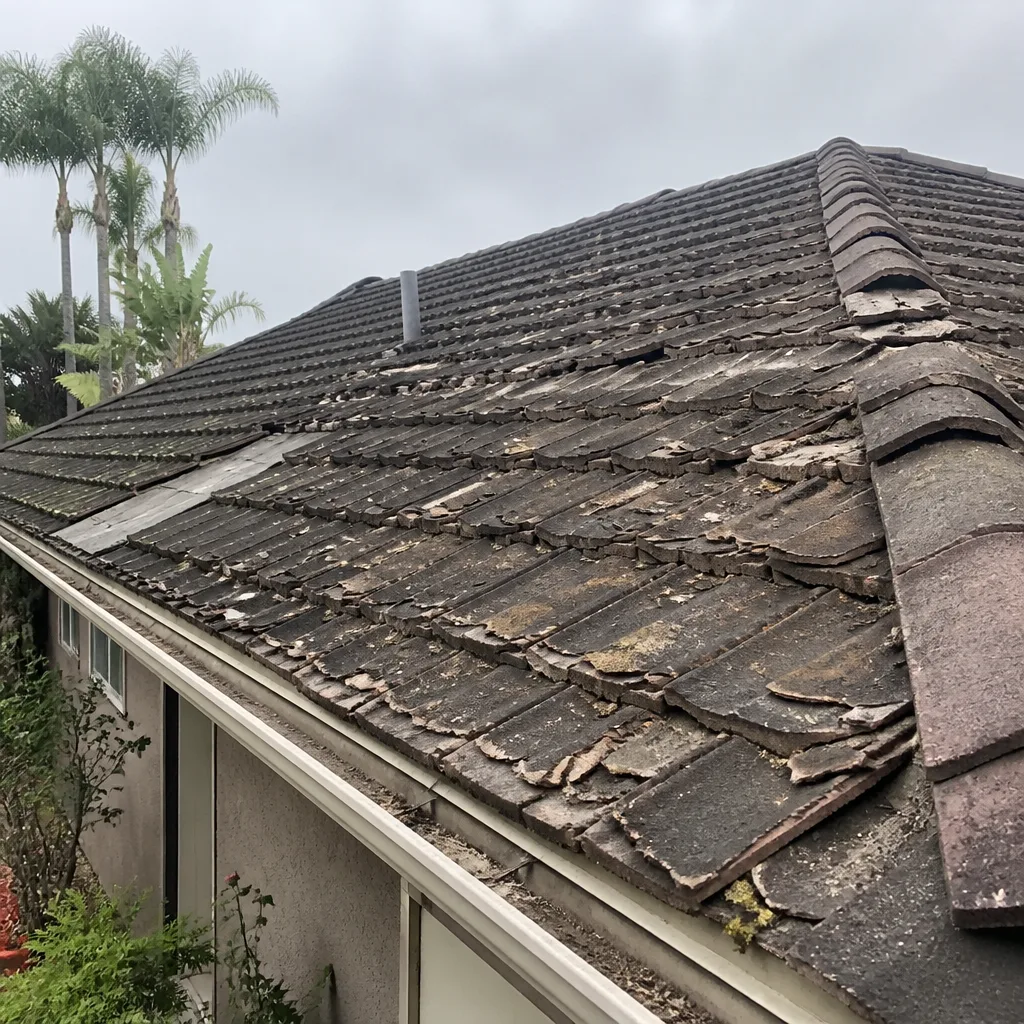
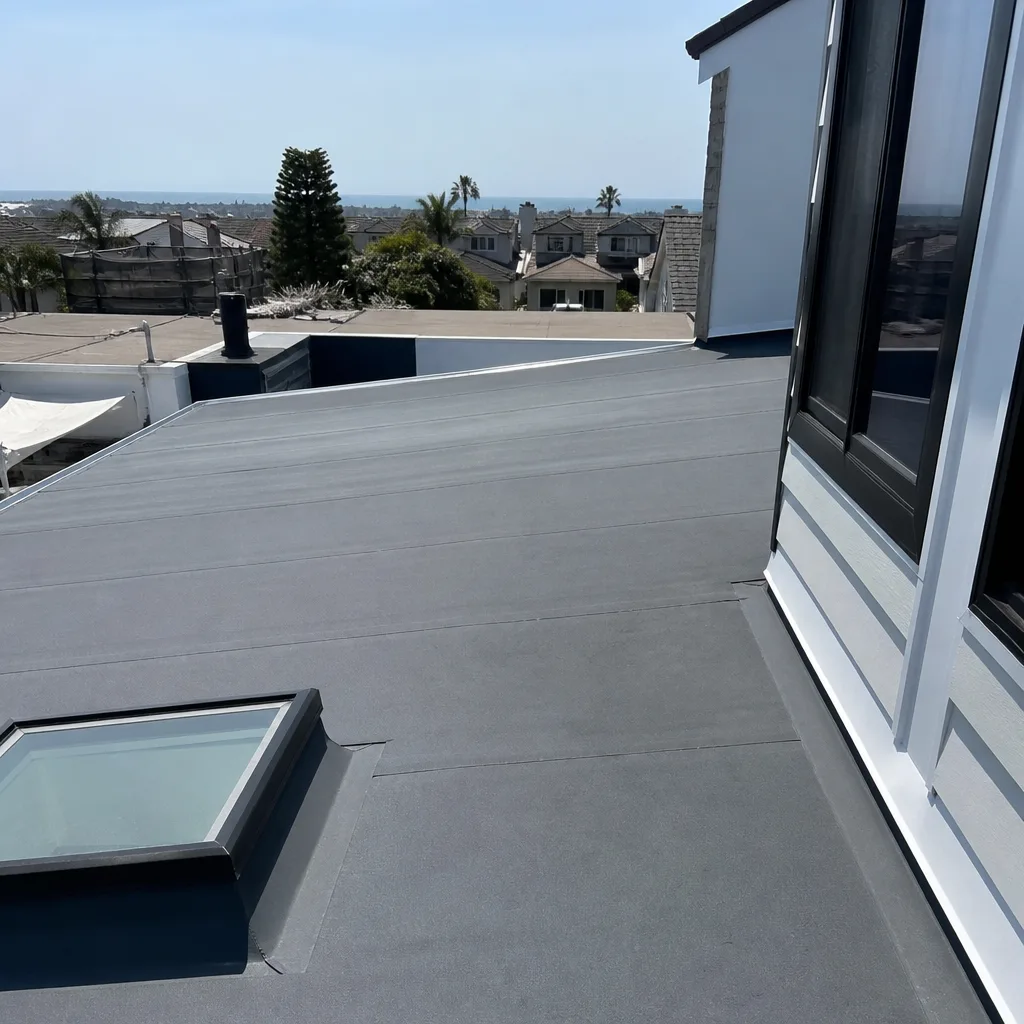
See the difference
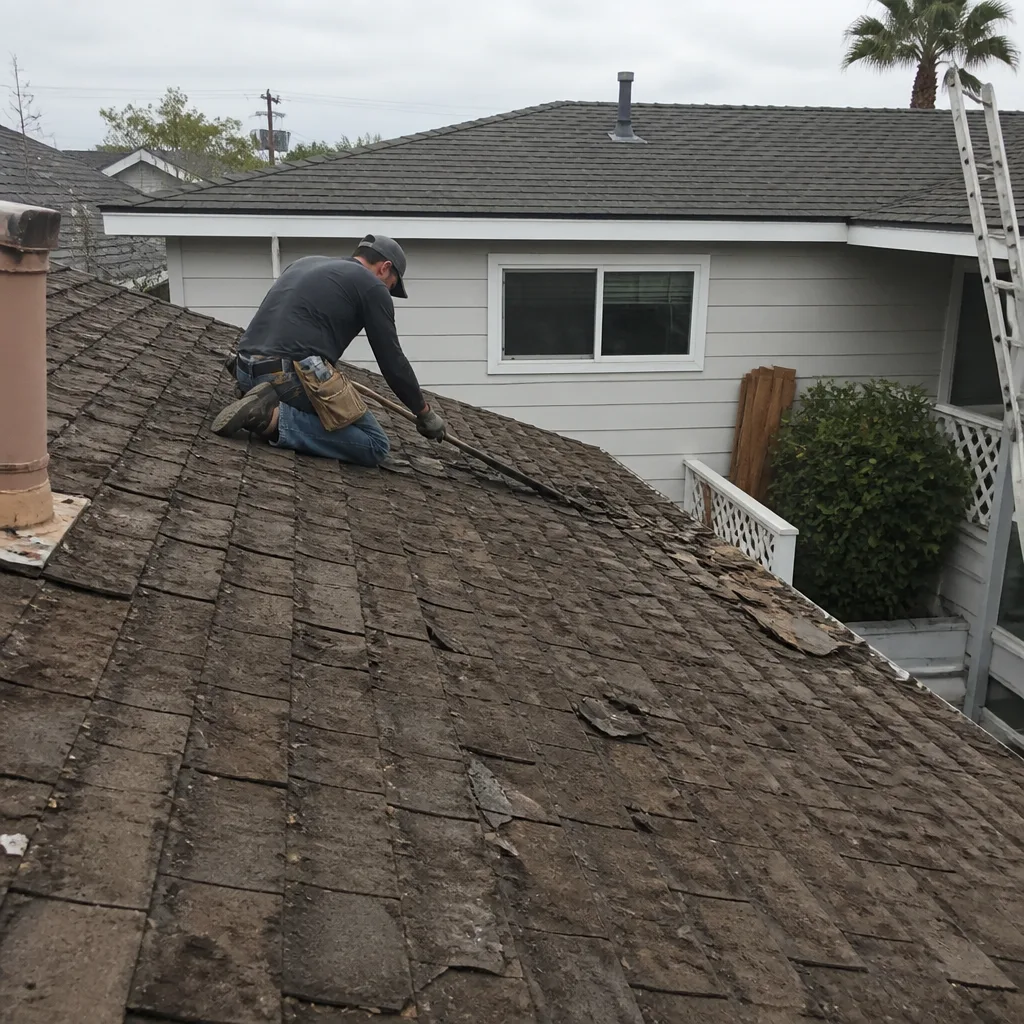 Before
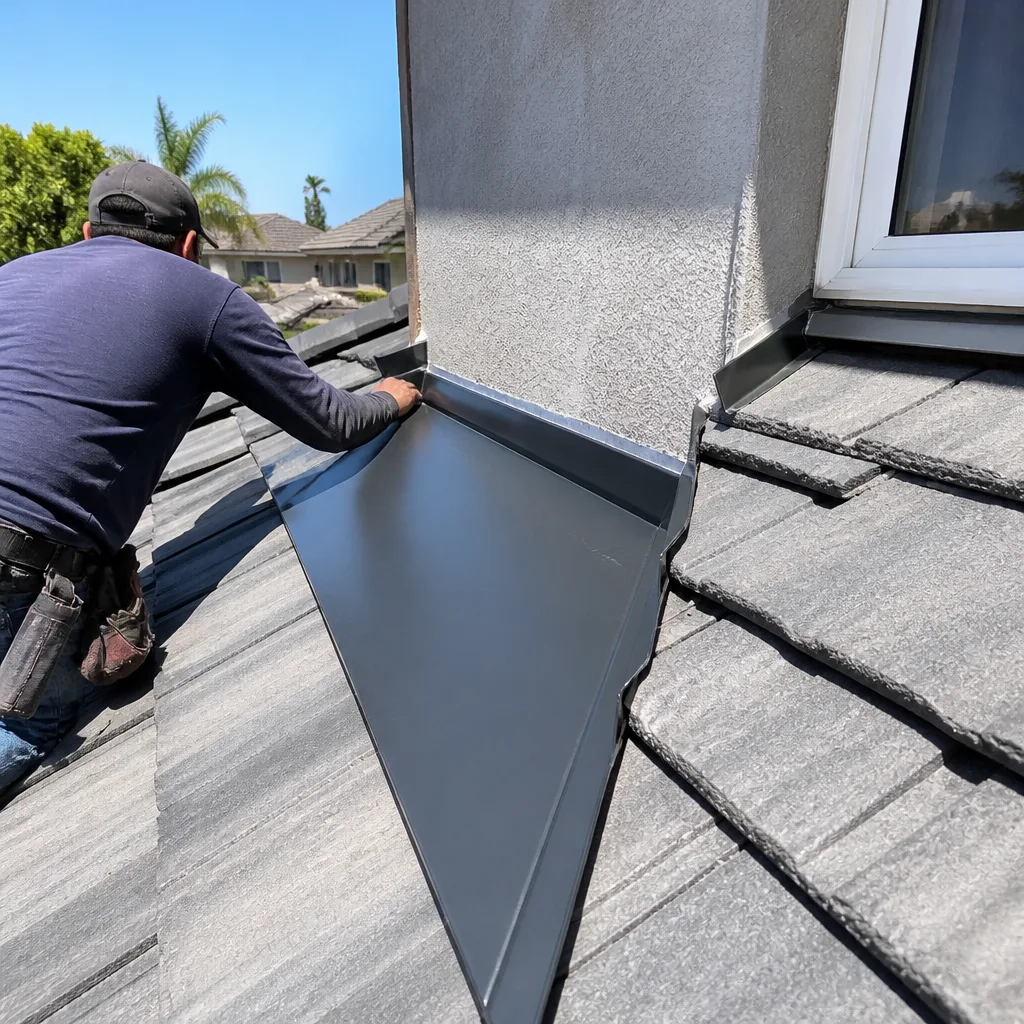 After
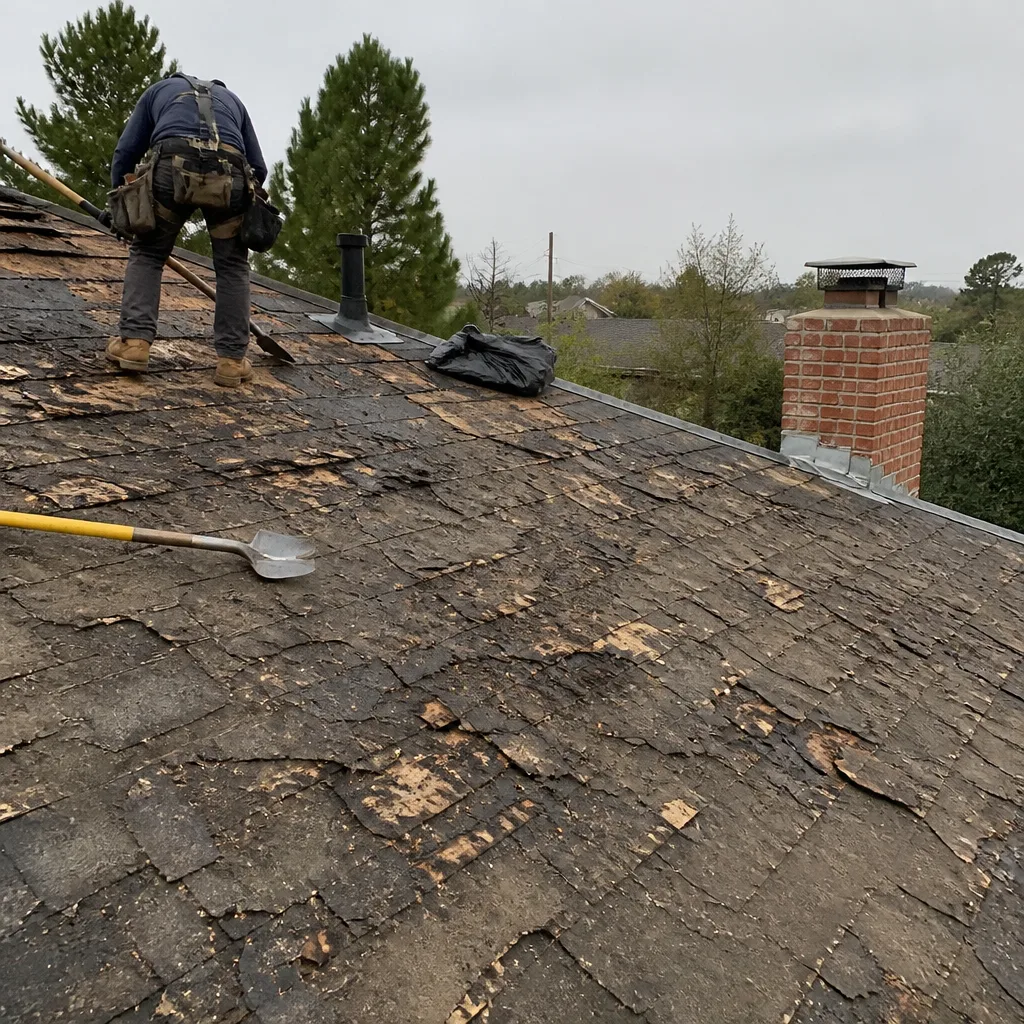 Before
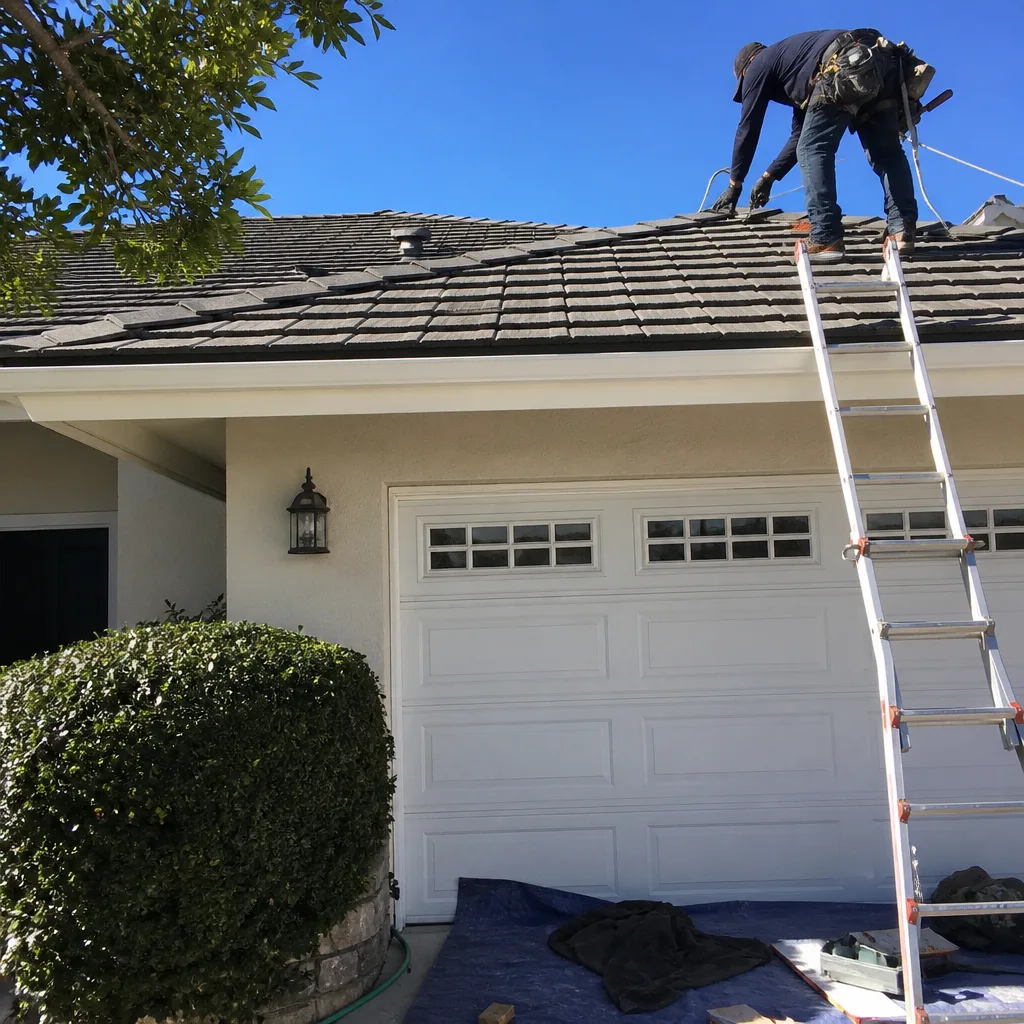 After
 Before
 After