
Last updated October 30, 2026
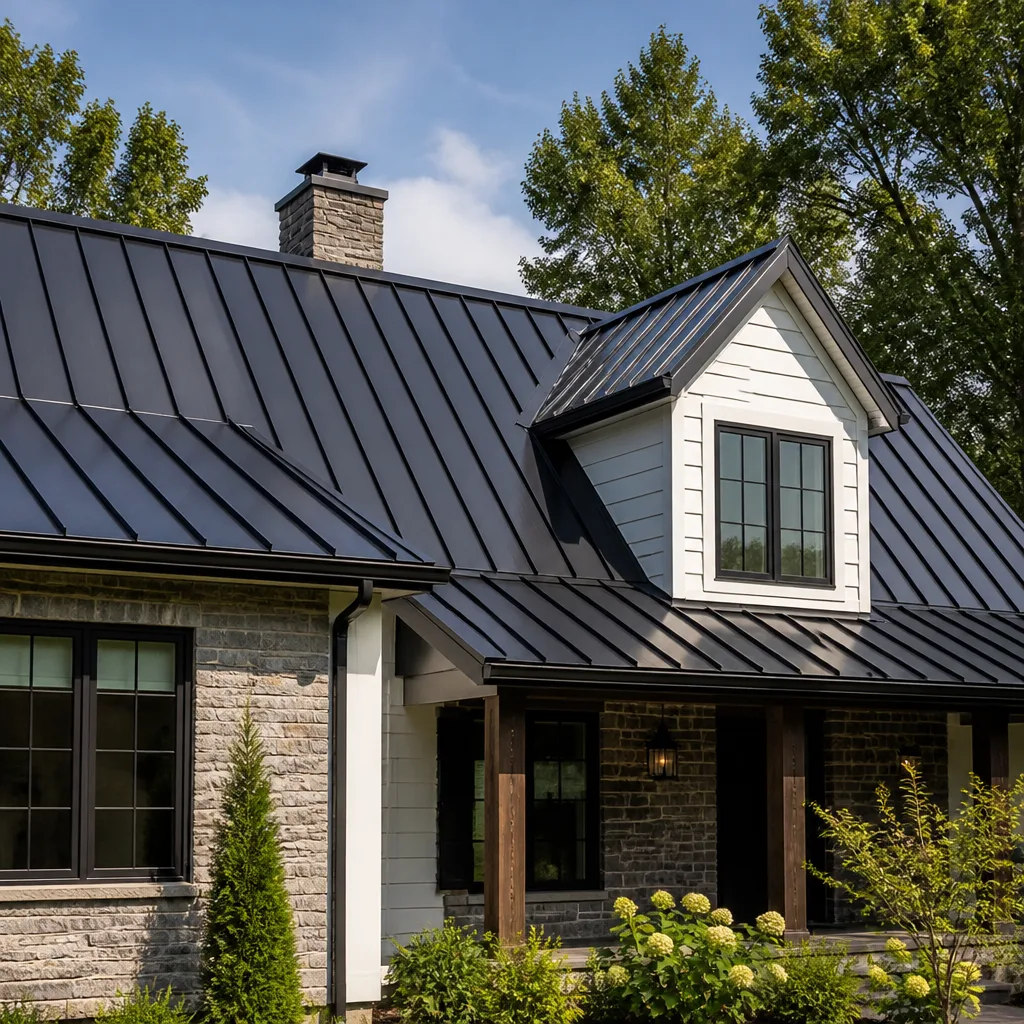 Metal roofing
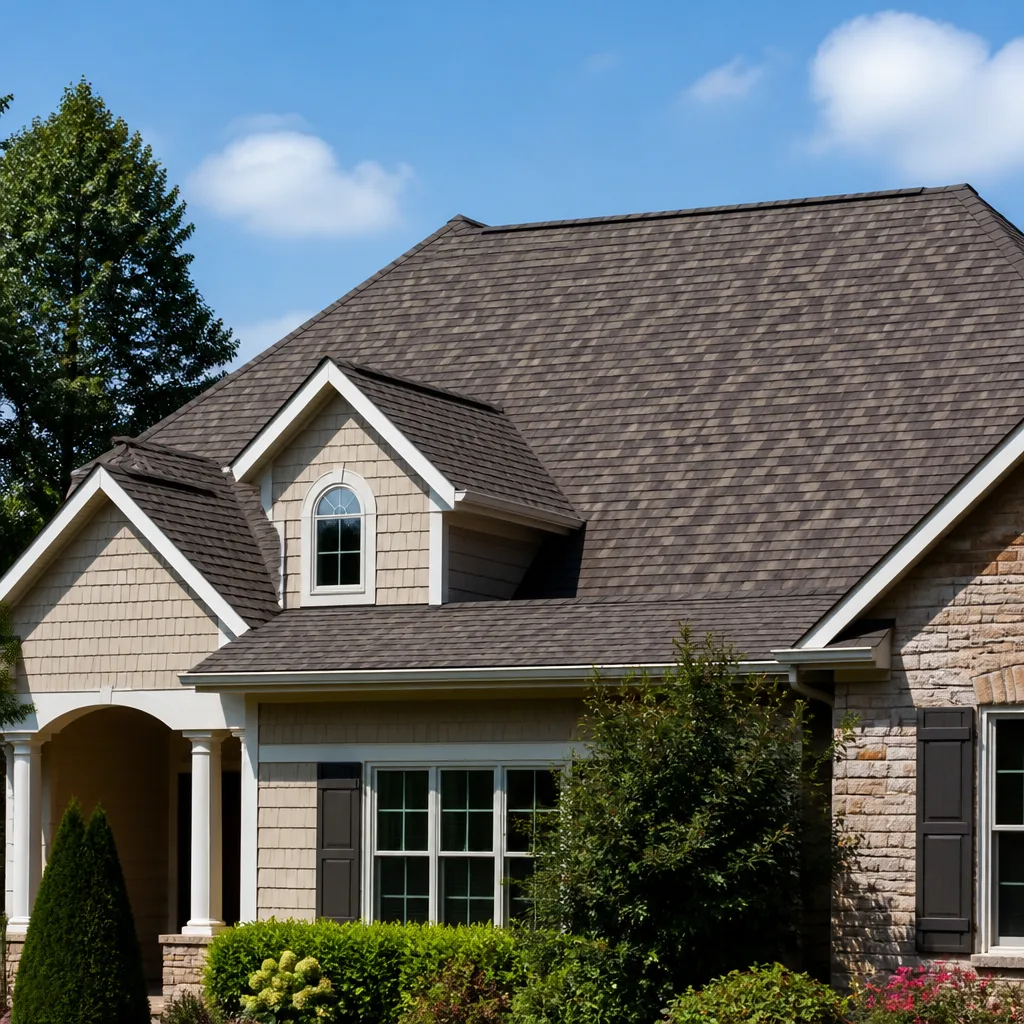
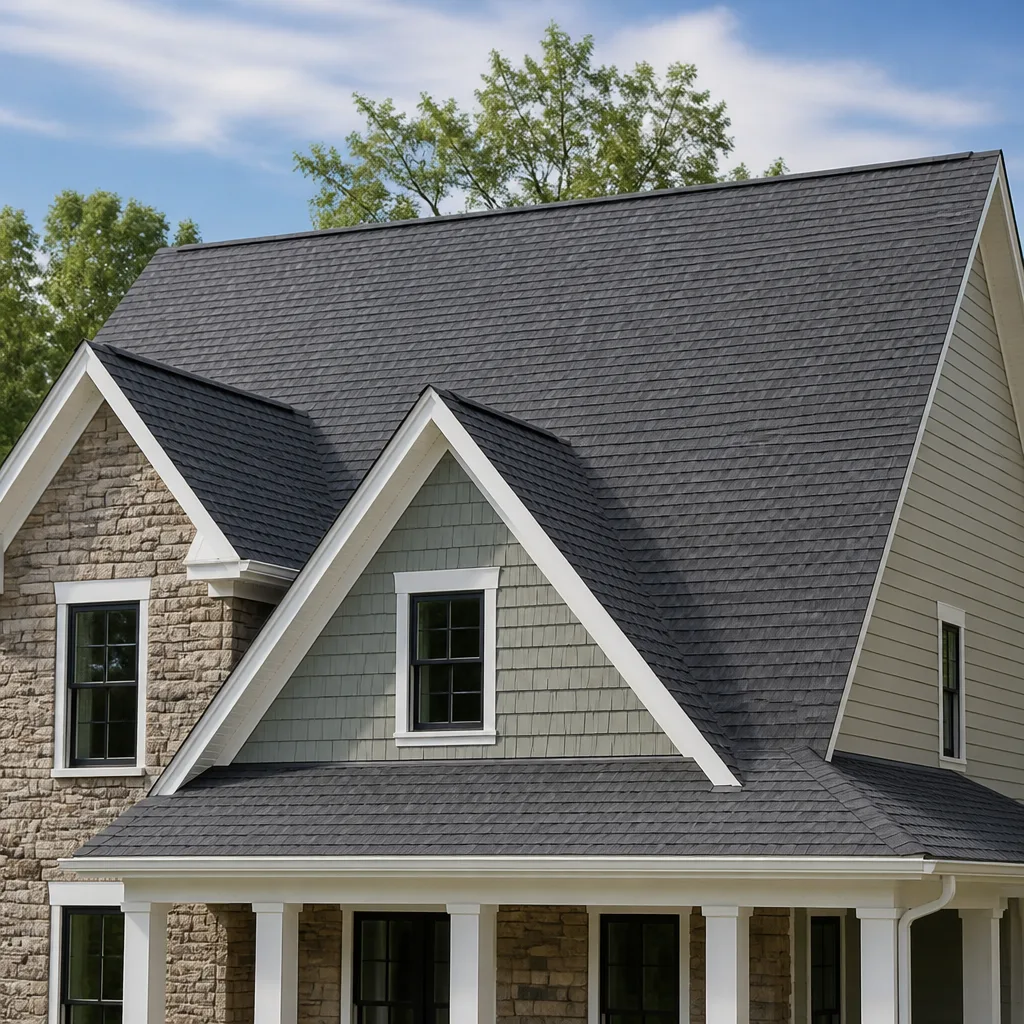 Architectural shingles
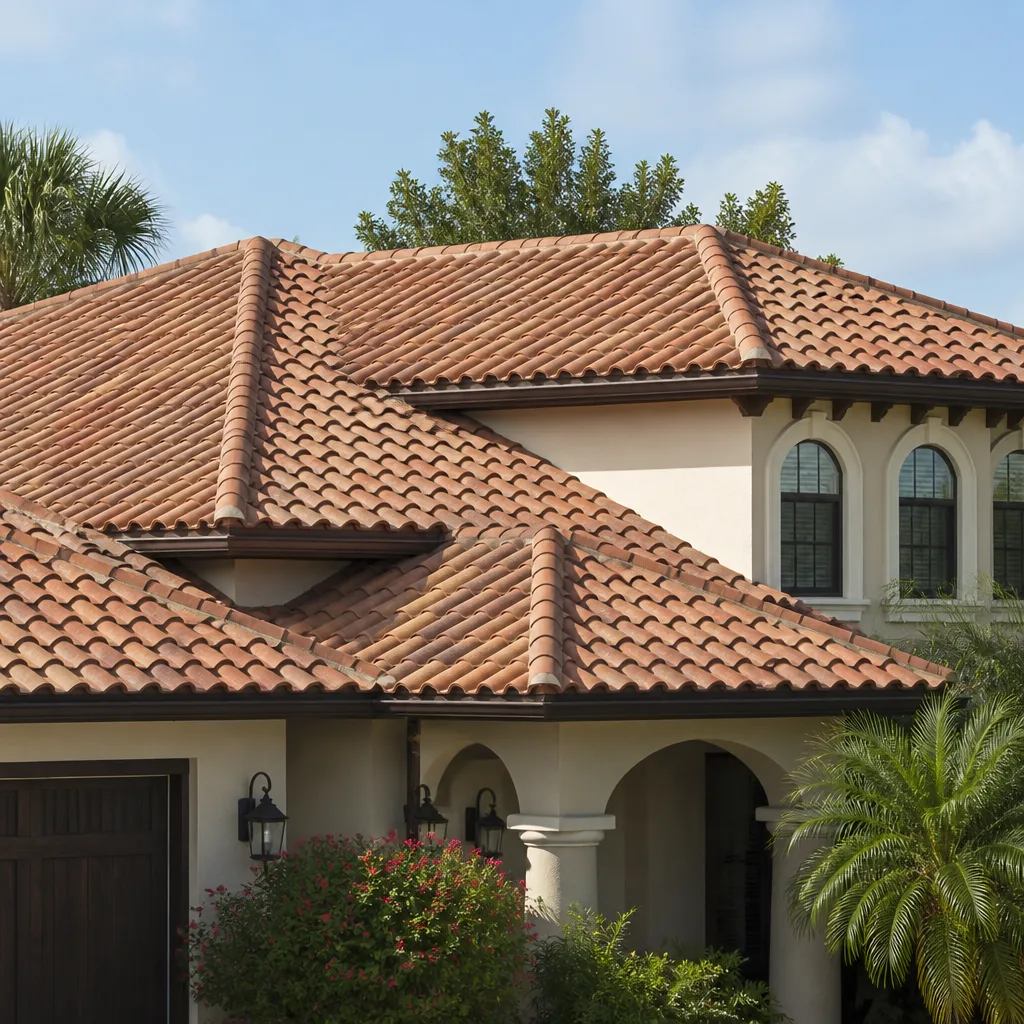 Tile roofing
 GAF
 Owens Corning
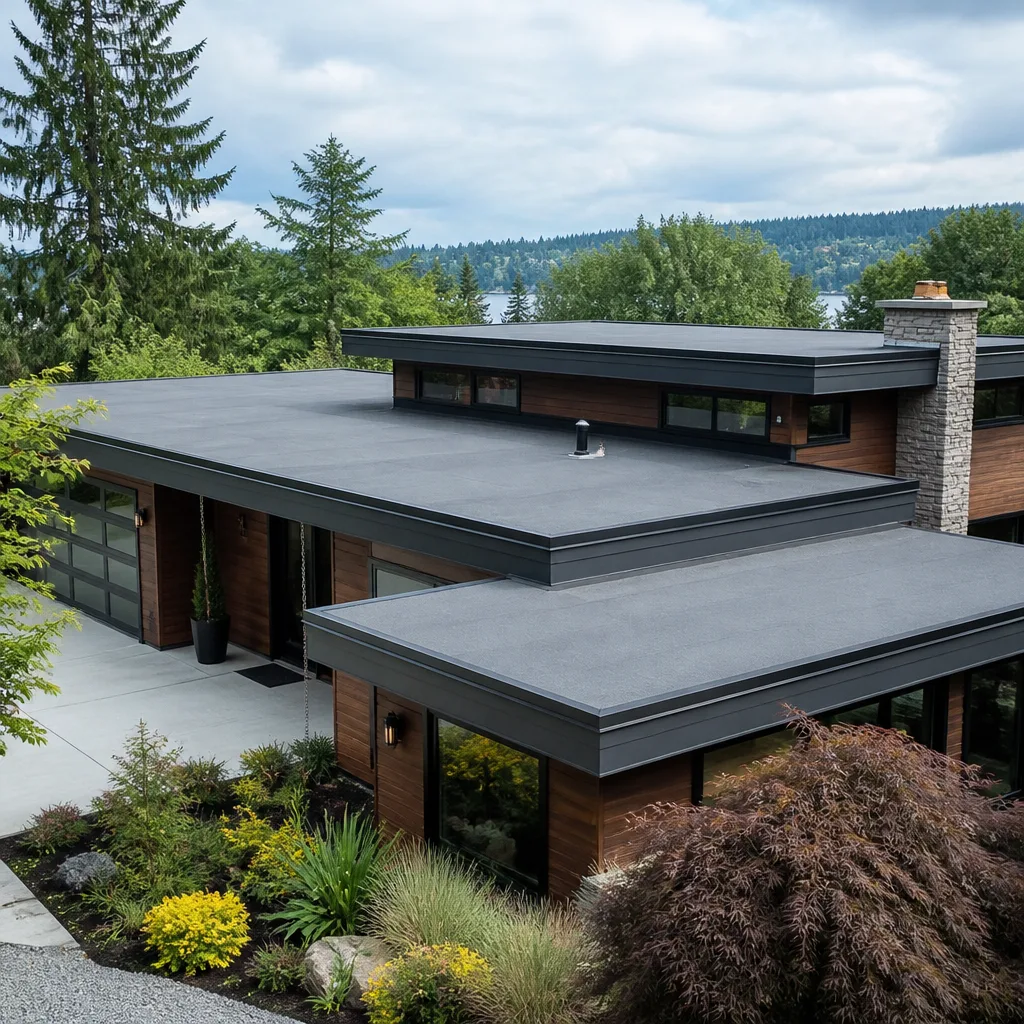 Flat & low-slope
Free roof inspection with deck photos before we talk money - GAF and Owens Corning certified installation
Roofing Cost Breakdown: The Newport Beach Homeowner’s Reference for 2026
In Los Angeles County and the Inland Empire, a mid-range asphalt shingle roof on a 2,000-square-foot home might run $14,000 to $18,000. The same house on the Balboa Peninsula or in Corona del Mar will routinely bid at $22,000 to $29,000. That gap is not contractor greed. It is the accumulated weight of Newport Beach’s coastal building code, HOA design standards, salt-air material requirements, and the simple geometry of building on hillsides and 25-foot-wide lots. This guide breaks down exactly where that money goes in 2026 so you can read a roofing bid the way an estimator does, and for more guides & resources, see our blog.
Styles & brands we work with
Quick Answer
Roofing costs in Newport Beach in 2026 typically range from $18,000 to $45,000 for a full replacement on a standard single-family home, depending primarily on material choice, roof pitch, and deck condition. Asphalt shingles land between $18,000 and $28,000, while concrete tile and clay tile run $30,000 to $60,000 or more. The single largest variable most homeowners miss is the deck: roughly 40% of Newport Beach tear-offs uncover plywood or skip sheathing that needs partial or full replacement before new underlayment can legally go down.
Table of Contents
- 2026 Material Costs by Roof Type
- The Cost Components Most Homeowners Never See Coming
- Why Newport Beach Needs Coastal-Specification Materials
- How Your Lot and House Shape the Final Number
- Repair or Replace: What Actually Makes Financial Sense
- A Framework for Comparing Bids That Are Not Apples to Apples
- Common Mistakes to Avoid
- When to Call a Professional
- Frequently Asked Questions
- The Bottom Line
2026 Material Costs by Roof Type
Material choice is the single largest line item in any Newport Beach roofing project, and the spread between entry-level and top-tier options is wider here than in most Southern California markets. The reason is simple: Newport Beach neighborhoods have specific architectural styles, and the materials that match those styles – Spanish clay tile in Bonita Canyon, concrete tile in Newport Coast, asphalt shingles on older Lido Island homes – carry very different price tags.
Here is what we see on actual 2026 bids for a standard 2,000-to-2,500-square-foot single-family home in Newport Beach:
- Asphalt architectural shingles (IKO, Atlas, or Tamko value lines): $18,000 to $25,000. Entry-level architectural shingles remain the most common choice on older tract homes in Newport Heights and Dover Shores.
- Asphalt architectural shingles (GAF Timberline, CertainTeed Landmark, Owens Corning Duration): $23,000 to $30,000. The premium-tier asphalt lines carry thicker mats, stronger wind warranties, and better algae resistance – meaningful in Newport Beach’s marine layer.
- Concrete tile (flat profile): $30,000 to $40,000. Flat concrete tile is the default on 1980s and 1990s homes in Newport Coast and Harbor View.
- Concrete tile (high-profile barrel): $35,000 to $48,000. Barrel profiles add weight and labor hours for trimming at valleys, hips, and ridges.
- Clay tile (two-piece mission or Spanish): $40,000 to $60,000+. Clay is the authentic architectural choice for Spanish Colonial and Mediterranean styles common in Corona del Mar and the Port Streets. Material pricing alone can hit $8 to $12 per square foot before labor.
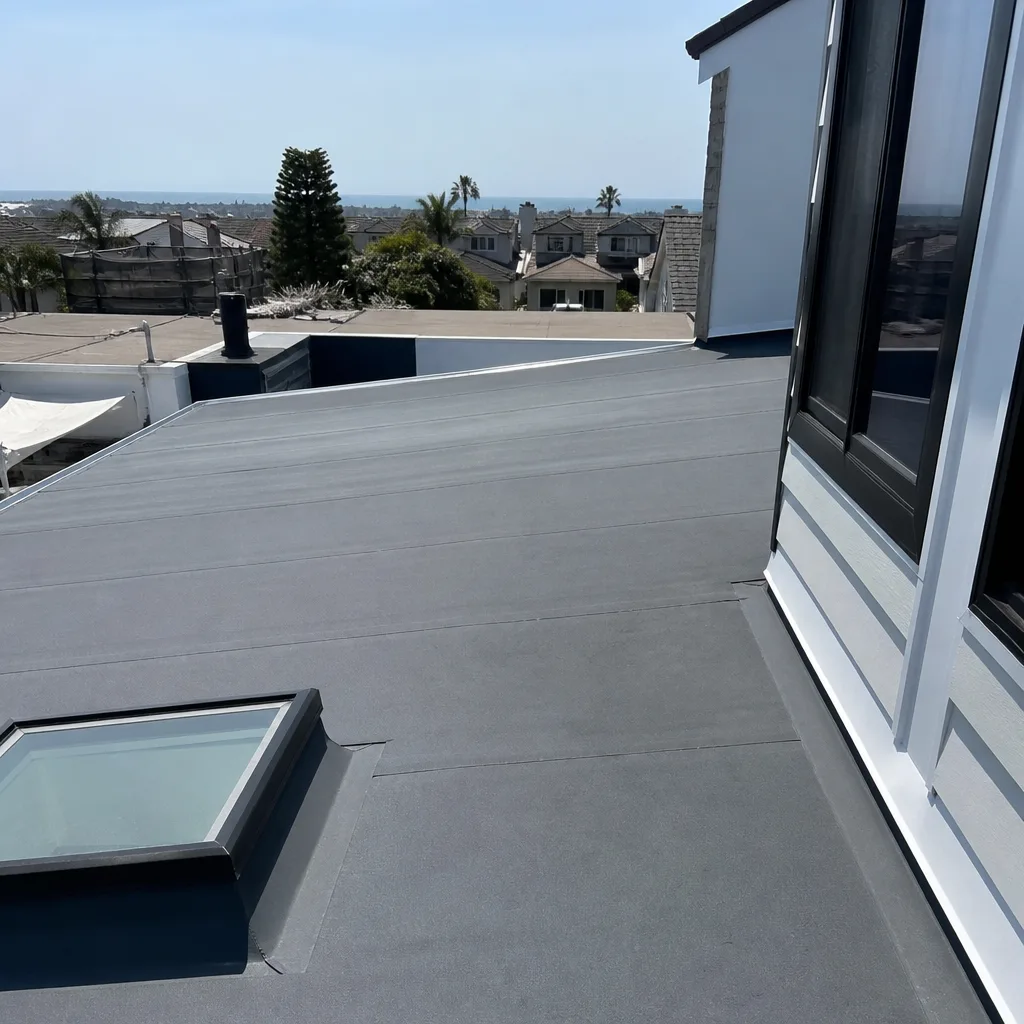
- Flat roof membrane (TPO or modified bitumen) for mid-century moderns: $14,000 to $24,000 depending on deck condition and number of penetrations. Flat roofs are common on Cliffhaven and parts of Balboa Island moderns.
These numbers assume a straightforward tear-off and re-roof with no major structural surprises. They do not include deck replacement, which we address below. They also assume a licensed Newport Beach roofing contractor with workers’ compensation insurance – an uninsured crew can cut $4,000 to $6,000 off any of those numbers, and we do not recommend that trade.
If you are weighing material tiers, our guidance is consistent: we inspect first, then match the material to the home’s architecture, the homeowner’s timeline, and the budget. A 1950s beach bungalow in West Newport does not need a $60,000 clay tile roof, and a $25,000 value-tier shingle belongs nowhere near a custom Mediterranean in Harbor Ridge. We work with seven major manufacturers – GAF, CertainTeed, Owens Corning, IKO, Atlas, Tamko, and Boral – so our recommendations come from what the roof actually needs, not from a distributor’s rebate program.
The Cost Components Most Homeowners Never See Coming
Ask any Newport Beach homeowner who has replaced a roof what surprised them about the final invoice, and you will get the same three answers: permits, deck, and HOA. These are the line items that separate a $22,000 bid from a $31,000 final cost, and they are almost never itemized in the initial estimate unless you ask.
1. City of Newport Beach permit fees
The City of Newport Beach charges roofing permit fees based on project valuation, and as of 2026 those fees typically run $800 to $1,800 for a re-roof on a single-family home. That is noticeably higher than neighboring cities like Costa Mesa or Fountain Valley. It is also non-negotiable: any roofing work over 100 square feet requires a permit in Newport Beach, and selling a home with an unpermitted roof is a documented disclosure problem. For details on the broader regulatory landscape, see our guide to Roofing Permits, Codes & Inspections in CA: What You Need to Know. A legitimate contractor will include the permit line item in the bid and pull the permit themselves. If a bid says “permits excluded” or “homeowner responsible for permits,” treat that as a red flag and a hidden cost.
2. HOA architectural review
A meaningful share of Newport Beach homes fall under HOAs with active architectural committees. Belcourt, One Ford Road, Big Canyon, Newport Coast’s gated communities – these neighborhoods require design review before a roof can be touched, and the review process can add 2 to 8 weeks to your timeline. Some HOAs charge application fees ranging from $100 to $500. More significantly, HOAs often mandate specific materials, specific color palettes, or specific manufacturer lines, which can push you into a higher material tier than you planned. If you are in an HOA, get the architectural guidelines before you get a bid, not after.
3. Deck replacement
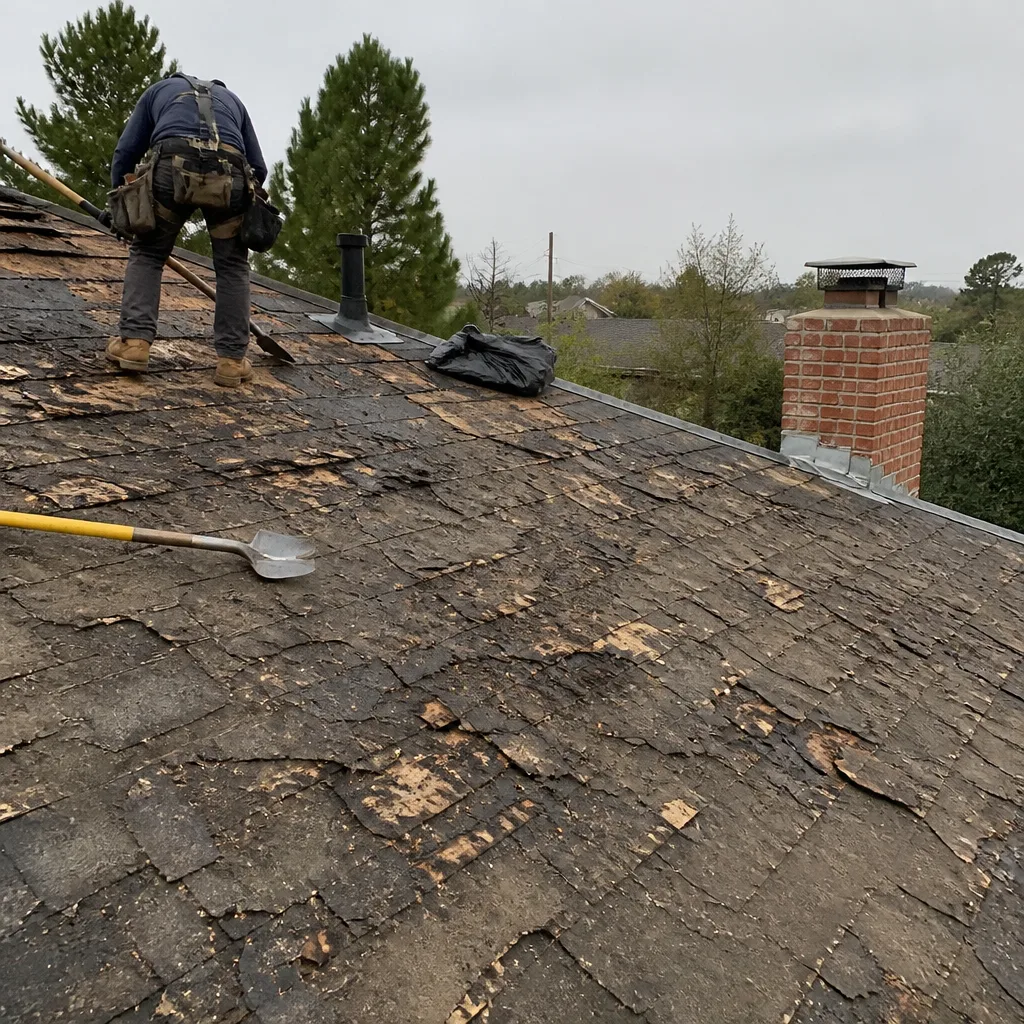
Here is the line item that most frequently turns a “clean” re-roof into a $6,000 to $12,000 scope increase. California building code requires solid sheathing or spaced sheathing in good condition under any new roof. In Newport Beach, decades of salt air and marine fog can delaminate plywood and corrode the nails holding skip sheathing to the rafters. When the old roof comes off, the deck gets inspected – and if it fails, it gets replaced. No honest contractor can promise upfront that your deck will pass. A bid that omits any contingency for deck replacement is guessing, not estimating. We tell every homeowner the same thing: plan for the possibility, and be glad when the tear-off reveals clean plywood.
Why Newport Beach Needs Coastal-Specification Materials
Newport Beach is not a typical Orange County roofing market. The marine layer, salt aerosol, and occasional Santa Ana wind events create a combination of stressors that inland roofs simply do not face. Materials that last 25 years in Irvine fail in 18 years on the Balboa Peninsula. Specifications that pass code in Tustin will not pass coastal inspection here.
This is what “coastal specification” actually means in 2026, and what it costs:
- High-temp synthetic underlayment: Newport Beach’s summer sun plus reflective tile roofs can push deck temperatures above 160°F. Standard 30-pound felt degrades at those temperatures. High-temp synthetic underlayment rated for 240°F costs $0.15 to $0.30 more per square foot installed, and it is standard on every roof we install in Newport Beach.
- Corrosion-resistant fasteners: Salt air attacks galvanized steel nails. Coastal code requires stainless steel or equivalent fasteners on all flashing, perimeter nailing, and tile attachment. Stainless fasteners add roughly $800 to $1,500 per roof in material cost alone. They also prevent the rust streaking and nail failure we see on 10-year-old coastal roofs built with interior-spec hardware.
- Class 4 impact-rated materials: Hail is rare in Newport Beach, but debris from Santa Ana winds is not. Class 4 impact-rated shingles and tiles cost 10% to 20% more than standard products, and many Newport Beach HOAs now require them. The premium buys a roof that shrugs off wind-driven branches instead of cracking or puncturing.
- Wind-load engineering for oceanfront homes: Homes within a few blocks of the ocean face uplift forces that inland homes never see. Roof decking, fastening patterns, and edge metal all need to be engineered for wind-load resistance. A roof that is fine in Harbor View may be under-specified on the Peninsula. This is not something a homeowner can verify from a bid line – it requires a contractor who understands coastal engineering.
The right way to think about coastal-spec premiums is service life. You pay 15% to 25% more for a coastal-specified roof in Newport Beach, and in exchange you get a roof that lasts its full rated life instead of failing at 60% of it. The cheaper inland-spec bid always looks good on paper. It is the homeowner’s second roof in 15 years that makes it expensive.
How Your Lot and House Shape the Final Number
Two homes with identical floor plans in Newport Beach can produce roofing bids that differ by $8,000, and the reason is almost never the materials. It is the site.
Steep pitch. Roofs in Newport Coast and Harbor Ridge frequently run 6:12 to 9:12 pitch. Anything over 6:12 requires staging, safety harnesses, and slower work. Steep-pitch labor rates run 20% to 35% higher than walkable low-slope roofs. On a $20,000 material package, that is $4,000 to $7,000 in added labor.
Narrow lots and limited staging. Many older Newport Beach neighborhoods – Balboa Island, Lido Isle, the Peninsula – have lots as narrow as 25 to 30 feet. There is no driveway apron for a debris trailer, no side yard for a material lift, and often no legal street parking. Crews haul materials by hand from a truck parked two blocks away, and debris removal requires multiple small loads instead of one large bin. That access premium adds $1,500 to $3,500 to a typical project.
Oceanfront wind loading. Homes on the ocean side of the Peninsula and beachfront in West Newport face continuous salt exposure and occasional extreme wind events. The engineering requirements for those roofs – heavier fastening schedules, stronger edge metal, sometimes mechanically attached tile – add real cost that a bid for an inland home simply would not contain. If you live within a quarter mile of the water, ask your contractor directly whether the bid includes coastal wind-load engineering. If they hesitate, get another bid.
Crew access and logistics. Roofing crews in Newport Beach deal with narrow alleys, gated communities, and parking restrictions that inland crews never see. Big Canyon and One Ford Road require gate check-in and scheduled vendor access. These are not exotic problems, but they are real, and honest bids include them.
The takeaway: a low bid that ignores your site is not a bargain. It is an estimate for a different house.
Repair or Replace: What Actually Makes Financial Sense
Not every roof problem in Newport Beach is a full replacement. We say it constantly: repair when repair is right, replace when it is not. The skill is knowing the difference.
Here is how we think about it, and how you should too:
- A leak around a single penetration. A flashing failure at a vent, skylight, or chimney is repairable. You are looking at $500 to $1,800, and the fix can last 10 to 15 years if the surrounding roofing material is sound.
- Localized shingle or tile damage. A few cracked tiles or a small group of lifted shingles after a Santa Ana is a repair, not a replacement. Budget $300 to $1,200 depending on accessibility and material matching.
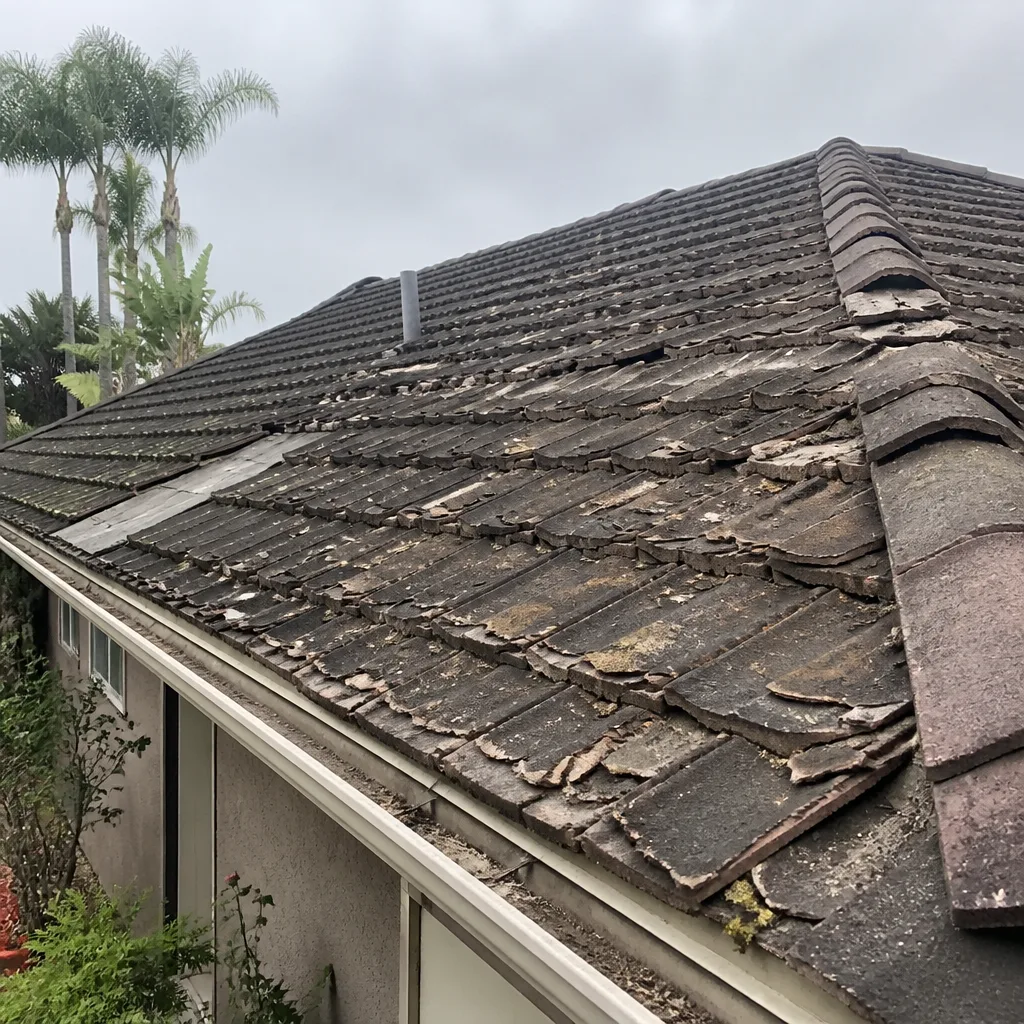
- Widespread granule loss or surface deterioration. If the roof is 18 to 22 years old and shedding granules, or if tiles are heavily spalled, patching is throwing money away. The deck and underlayment are the next failure point, and you cannot inspect them without a tear-off.
- Leaks in multiple areas. Two or more distinct leak zones on a roof past its mid-life usually means the underlayment system is failing. Repairing individual points on a dying system buys you a year, maybe two. That money would be better spent on the replacement estimate.
- Failed inspection before a sale. If you are selling a Newport Beach home and the buyer’s inspector flags the roof, a repair may technically satisfy the report, but the buyer will pressure you on price. A replacement with transferable manufacturer warranty is a cleaner negotiating position.
The diagnostic step that separates the two paths is an actual inspection. Not a satellite photo, not a quick visual from the driveway. We offer Roof Inspection in Lynwood as a standalone service, and for good reason: the honest answer about repair versus replace only comes from looking at the deck, the underlayment, and the flashings up close. If you are in Newport Beach and not sure whether your roof needs a $1,200 repair or a $28,000 replacement, get the inspection first.
A Framework for Comparing Bids That Are Not Apples to Apples
Three roof replacement bids for the same Newport Beach home will almost never contain the same scope. The differences are not always obvious, and the lowest number is rarely the best value. Here is the comparison framework we recommend to every homeowner we meet:
1. Check the material line. Two bids can both say “asphalt shingle” and differ by $6,000. Which product, exactly? A value-tier IKO or Atlas shingle costs 30% to 40% less than a premium GAF Timberline or CertainTeed Landmark. Is the product named, or does the bid just say “architectural shingle”? If there is no product name, ask for one.
2. Check the underlayment line. Is the bid specifying high-temp synthetic underlayment, or standard 30-pound felt? In Newport Beach’s heat and salt air, felt is a false economy. We do not install it on coastal re-roofs, period.
3. Check the fastener line. Does the bid specify stainless steel fasteners? If not, assume interior-grade galvanized. The difference is $800 to $1,500, and the cheaper version will rust.
4. Look for permit fees. A bid that does not include City of Newport Beach permit fees is not cheaper. You are paying the permit separately, or worse, working without one.
5. Ask about deck replacement contingency. If the contractor will not discuss deck replacement before the tear-off, they are planning to “discover” it as a change order. We prefer to tell homeowners upfront: if the deck fails inspection, here is the per-sheet replacement cost and how we handle it.
6. Compare warranty language. Material warranty comes from the manufacturer. Workmanship warranty comes from the contractor. A bid should tell you both. If neither is specified, move on.
7. Verify the contractor’s trade focus. A generalist who roofs as one of many trades will not catch what a dedicated roofing specialist catches during tear-off and re-sheathing. We do roofing only. It is all our crews do, and it shows in the inspection reports, the material recommendations, and the final install quality.
When you line up bids using this framework, the cheapest option often stops looking cheap, and the middle bid with the right specifications starts looking like the value.
Common Mistakes to Avoid
- Comparing only the bottom-line number. A $22,000 bid that omits permit fees, specifies felt underlayment, and uses interior-grade fasteners is more expensive than the honest $28,000 bid. Compare line items, not totals.
- Skipping the HOA check before bidding. If your community requires clay tile and your bid is for asphalt shingles, you have wasted everyone’s time. Pull the architectural guidelines first.
- Assuming the deck is fine. In Newport Beach’s coastal climate, a 25-year-old roof often hides a failing deck. Budget for the possibility or brace for the change order.
- Choosing a value-tier material to save money on a premium home. A $25,000 IKO roof on a $3 million Corona del Mar property is a resale liability. The material should match the architecture and the neighborhood standard.
- Hiring a generalist to save $2,000. A contractor who also does kitchens, bathrooms, and additions cannot match the material knowledge or diagnostic speed of a roofing-only specialist. The savings vanish the first time a leak returns.
- Ignoring the underlayment line. The underlayment is the actual waterproofing layer. The shingles or tiles are just the wear surface. Spending more on shingles while skimping on underlayment is backwards.
- Not verifying the contractor is pulling permits. Unpermitted roofing work in Newport Beach creates disclosure problems at resale and can invalidate your homeowner’s insurance. The permit line item is worth every dollar.
When to Call a Professional
Some roof problems are obvious: water staining on the ceiling, missing tiles after a storm, granules in the gutter. Others are not. If your Newport Beach roof is over 15 years old and you have not had an inspection, you are flying blind on the condition of the underlayment and deck, and those are the components that actually keep water out. If you are buying or selling a home, an inspection is non-negotiable – the cost is trivial compared to the disclosure risk. If you have a leak that reappears after a repair, the first patch failed because the diagnosis was wrong, and you need a specialist who can find the actual entry point. To prepare for coastal weather events, review our Roofing Emergency Preparedness Guide for Newport Beach Homes. Sunridge Roof Repair offers free estimates in Newport Beach. Our process starts with the inspection, not the sale. Call (833) 589-5180 to schedule yours.
Frequently Asked Questions
A full roof replacement in Newport Beach runs $18,000 to $45,000 for most single-family homes, with concrete and clay tile on the upper end and asphalt shingles on the lower end. The final number depends on material choice, roof pitch, deck condition, and whether the home is in an HOA with material mandates. Call (833) 589-5180 for an exact quote on your specific roof.
Newport Beach roofing costs run higher because of coastal building code requirements, HOA architectural review, salt-air material specifications, and access challenges on narrow hillside and waterfront lots. Permit fees in the City of Newport Beach are also higher than in surrounding Orange County cities. These factors add real cost that an honest bid must reflect.
Roof inspection pricing in Newport Beach varies by roof size and complexity, but many dedicated roofing contractors offer inspections as a standalone service. We offer roof inspections as an independent service, not bundled with a replacement quote, because the diagnosis should come before the sales conversation.
Repairs are cheaper than replacement in the short term, typically $500 to $1,800 for a localized issue like flashing failure or a few damaged tiles. But if the roof is past two-thirds of its service life and leaking in multiple areas, repairs become recurring costs. The honest answer comes from an inspection that looks at the underlayment and deck, not just the surface.
The price can change if the tear-off reveals deck damage that could not be seen before the old roof was removed. In our process, deck replacement is discussed before the project starts, with clear per-sheet pricing, so a change order is never a surprise. A contractor who will not discuss this upfront is not being honest about how roofing works.
Yes. The City of Newport Beach requires a permit for roofing work over 100 square feet, and the permit is the homeowner’s protection against substandard work being hidden under new materials. A licensed contractor should pull the permit as part of the job.
The Bottom Line
A Newport Beach roof in 2026 is a $18,000 to $45,000 decision, and the spread between a good roof and a good-looking roof is almost always in the specification details: the underlayment, the fasteners, the permit, the deck. Cheaper bids do not save money; they defer it. The right approach is to inspect first, specify the materials for the coastal environment, and compare bids line-by-line, not total-to-total. If you want a roof that lasts its full service life on the coast, the process matters as much as the product. We are roofing specialists – we do one trade, and we inspect before we recommend. Call (833) 589-5180 for a free estimate.
Written by the team at Sunridge Roof Repair home, serving Newport Beach since 2011.
See the difference
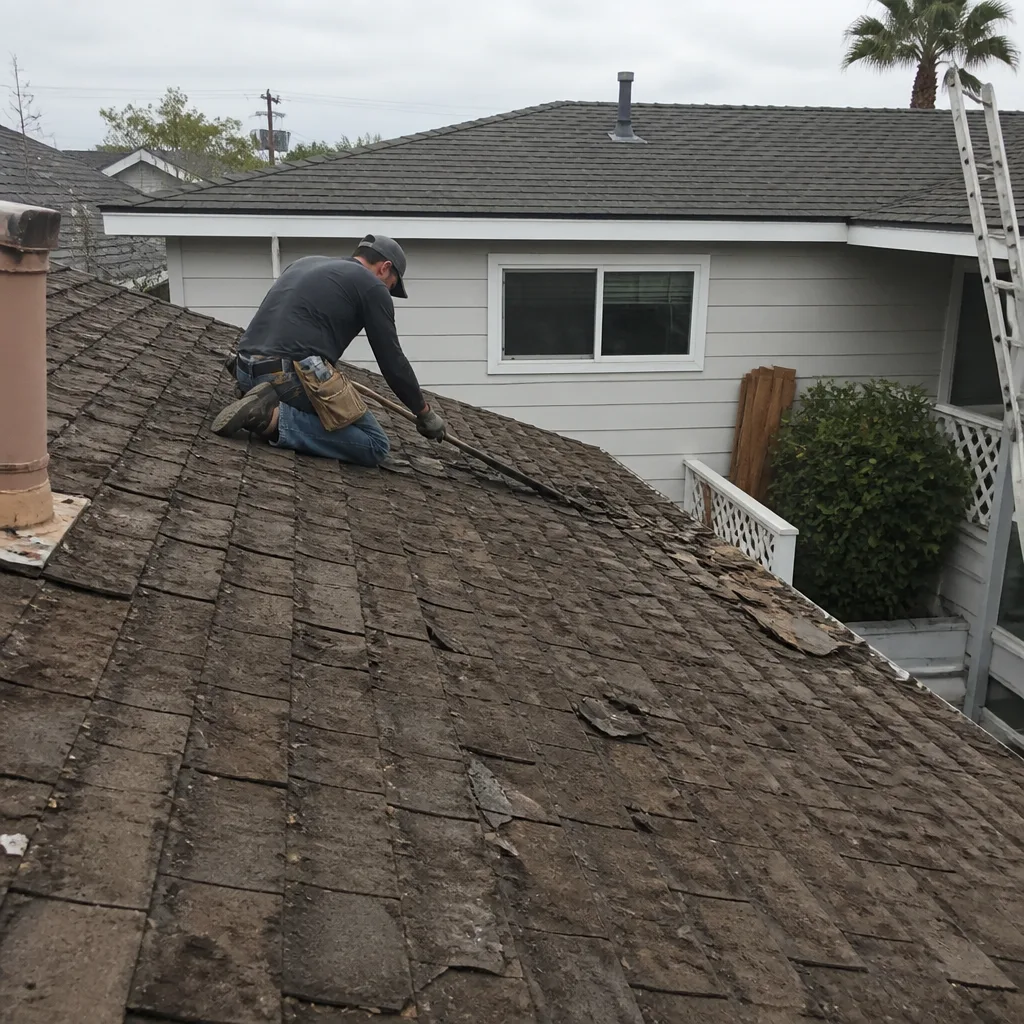 Before
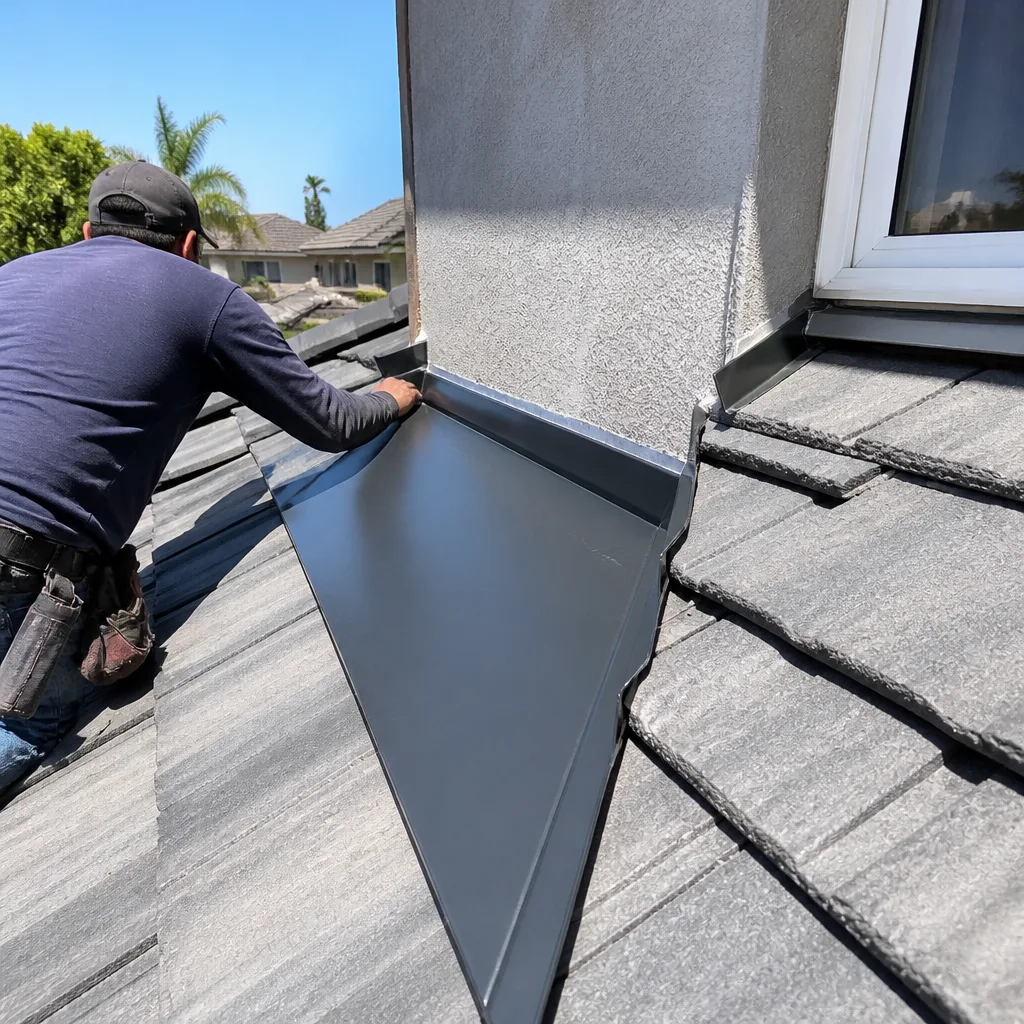 After
 Before
 After
 Before
 After