Last updated October 30, 2026
 Metal roofing
 Architectural shingles
 Tile roofing
 GAF
 Owens Corning
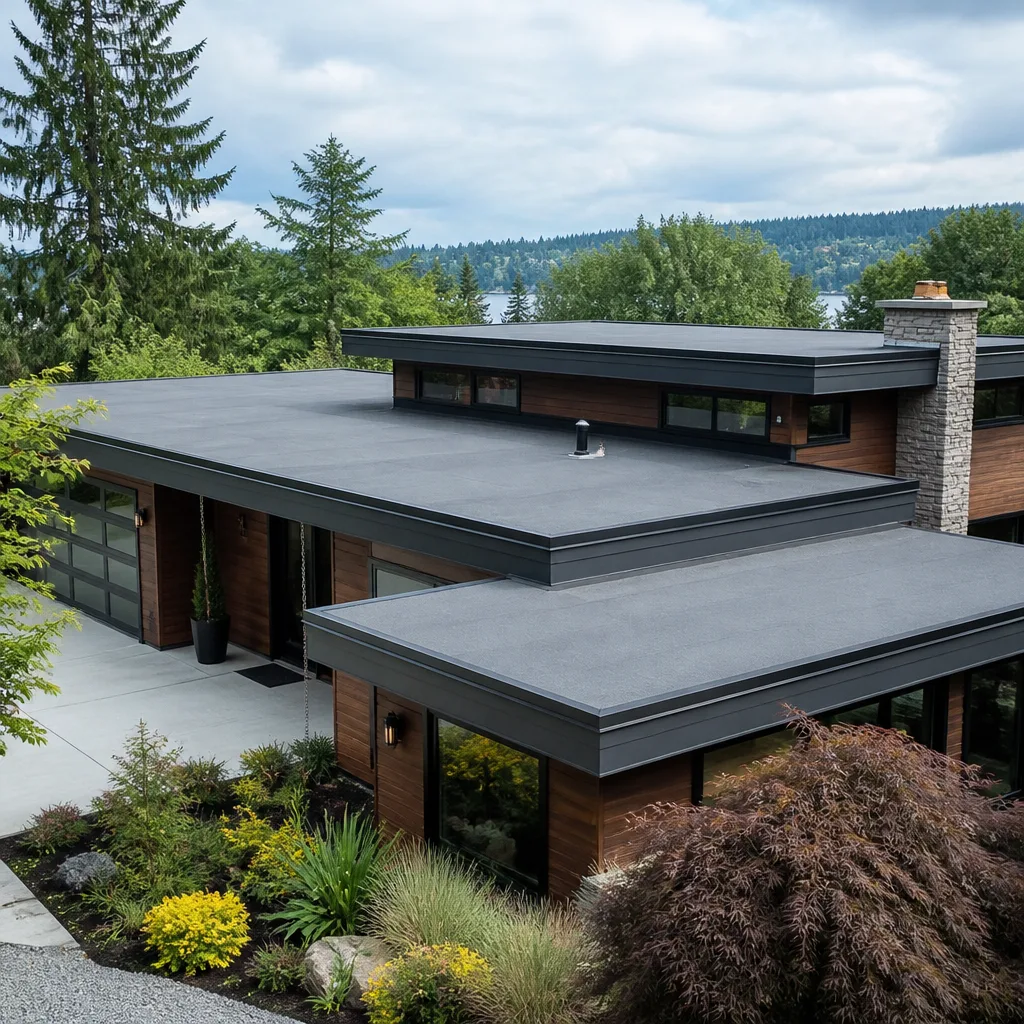 Flat & low-slope
Free roof inspection with deck photos before we talk money - GAF and Owens Corning certified installation
Roofing Warning Signs: A Newport Beach Homeowner’s Reference Guide
The water stain on your ceiling isn’t a warning sign. It’s a failure. The actual warning signs were up on your roof six to eighteen months earlier, visible to anyone who knew where to look. What makes Newport Beach different is that our roofs age faster than they do ten miles inland, not because of rain but because of salt, sun, and the marine layer that sits on your shingles every night. This Complete Guide to Roofing in Newport Beach will teach you to read your roof the way we do, organized by location, with the coastal-specific degradation patterns most generic checklists miss.
Styles & brands we work with
Quick Answer
The most reliable roof warning signs in Newport Beach are found at flashings, penetrations, and low-slope transitions rather than on the shingle surface itself. Look for white oxidation on metal flashing, granule loss concentrated around vents and pipes, sealant shrinkage at roof-to-wall joints, and interior nail pops or paint bubbling in your ceiling. Any one of these warrants a professional inspection within 30 days; two or more means you should call a roofing specialist now.
Table of Contents
- Why Newport Beach Roofs Fail Differently
- Ridge Warning Signs: The Crown of the Roof
- Field Warning Signs: The Shingle Surface
- Penetration Warning Signs: Vents, Pipes, and Skylights
- Flashing Warning Signs: Where Water Actually Gets In
- Valley and Eave Warning Signs: The Drainage System
- Interior Warning Signs: What Your Ceiling Is Telling You
- Common Mistakes to Avoid
- When to Call a Professional
- Frequently Asked Questions
- The Bottom Line
Why Newport Beach Roofs Fail Differently
Newport Beach sits in one of the most corrosive roofing environments in Southern California. The salt air that makes our coastline beautiful also deposits a fine film of sodium chloride on every exposed roof surface, roughly 0.3 to 0.7 milligrams per square meter per day during summer onshore flow. That salt accelerates oxidation on metal flashing, breaks down sealant bonds faster than UV exposure alone, and works its way under shingle tabs during morning condensation cycles. A roof in Newport Beach that looks ten years old may actually have the material degradation of a fifteen-year-old roof in Irvine or Costa Mesa.
We’ve walked roofs along Balboa Peninsula, Corona del Mar, and the Heights where granule loss near vents was visibly concentrated on the windward side, the side facing the ocean’s prevailing breeze. That’s a pattern you won’t find in seasonal roofing care guides written for backyard-with-pool suburbia. The marine layer that rolls in most evenings leaves your roof damp until mid-morning. That daily moisture cycle, combined with salt residue, creates a micro-environment at every seam, joint, and fastener that inland roofs never experience.
This means your inspection priorities need to shift. The shingles themselves aren’t where Newport Beach roofs usually fail first. The seams are.
Ridge Warning Signs: The Crown of the Roof
The ridge is the horizontal peak where two roof slopes meet. It’s the highest point of the roof, which means it gets the most direct sun and the most consistent wind exposure. In Newport Beach, it’s also where salt spray collects and dries in a repeating cycle, day after day.
What to look for
- Ridge cap shingle lifting or curling: The caps run perpendicular to the field shingles. If they’re lifting at the edges, the adhesive strip underneath is failing. Wind-driven rain can enter through the exposed underside.
- Cracked or missing mortar on tile ridges: Many Newport Beach homes, especially in Corona del Mar and the older sections of the Balboa Peninsula, have tile roofs with mortar-set ridge tiles. Hairline cracks in that mortar are entry points for moisture.
- Rust staining below metal ridge vents: A faint orange-brown trail running down from a ridge vent means the metal is oxidizing and the protective coating is gone. Salt air accelerates this significantly.
Urgency
Minor lifting: monitor it yourself, check again in 60 days. Missing caps or visible gaps: schedule a professional inspection within 30 days. Water staining on the ceiling directly below the ridge: call now.
The ridge is also where we find the most failed sealant on Newport Beach homes. The sealant under ridge caps shrinks in the dry heat of summer, then salt works into the micro-gaps during the damp marine-layer cycle. By the time you see a lifted cap, the sealant underneath has usually been compromised for months.
Field Warning Signs: The Shingle Surface
The field is the main expanse of shingles or tile between the ridge and the eave. This is where most generic checklists tell you to look, and it matters, but in Newport Beach the field often looks worse than it actually is. Salt haze and UV exposure cause cosmetic aging, blistering, and color fading that don’t necessarily mean your roof is failing. The trick is telling the difference between a weathered surface and a compromised one.
Cosmetic aging vs. structural warning signs
- Uniform color fading: This is cosmetic. Asphalt shingles lose color pigment from UV exposure on a predictable schedule. A faded but intact shingle still sheds water.
- Scattered granule loss: You’ll see some granules in your gutters every year. That’s normal wear. A tablespoon per linear foot of gutter annually is typical for a mid-life roof.
- Bare patches or exposed fiberglass matting: This is structural. When the granules are gone and you see a shiny, glass-like surface underneath, the shingle’s protective layer is depleted and UV is breaking down the asphalt binder.
- Cupping or curling shingle edges: This is structural aging. The shingle loses moisture content and its shape memory. Curled edges catch wind and tear off in storms. They also allow water to run underneath.
- Blistering: Small raised bubbles on the shingle surface. Common in Newport Beach due to trapped moisture that expands in direct summer heat. If the blisters have popped and left tiny craters, the shingle’s granular surface is compromised.
One pattern we see consistently in Newport Beach: granule loss concentrated on the south-facing and west-facing slopes, which take the most direct afternoon sun, especially in summer when roof surface temperatures can exceed 140 degrees on the Peninsula. If you’re seeing bare matting on those slopes, the shingles are beyond cosmetic aging.
If you’d like a professional eye on your field shingles, our roof inspection service covers all the details. If repair is warranted, see our roof repair page for what’s involved.
Penetration Warning Signs: Vents, Pipes, and Skylights
Penetrations are anything that pokes through the roof surface: plumbing vent pipes, HVAC vents, skylights, antenna mounts, satellite dish brackets. Each penetration creates a seam where water can enter, and each sealed joint is a point of failure waiting for the wrong conditions. In Newport Beach, the wrong conditions arrive daily.
The salt-air pattern near penetrations
Here’s what standard guides don’t tell you: in coastal environments, granule loss patterns around penetrations tell you about sealant failure before you can see the sealant. When the rubber boot around a plumbing vent shrinks, it pulls away from the pipe on the ocean-facing side first. That tiny gap channels morning condensation and wind-blown salt spray down the pipe, where it wicks under the shingles on that one side. The shingles there lose granules faster because they’re getting micro-doses of salt water from underneath.
If you see a crescent of granule loss on just one side of a vent pipe, that’s a coastal-specific warning sign. The boot is failing. The water hasn’t reached your ceiling yet, but it’s working on it.
What else to look for
- Cracked or chalky rubber boots: The black rubber collar around plumbing vents turns gray and develops hairline cracks after five to seven years in salt air. Touch is the test: if the rubber feels stiff instead of pliable, it’s failing.
- White oxidation on metal collars and flashing: A powdery white film on galvanized metal means the zinc coating has oxidized and the steel underneath is next. This is accelerated dramatically by salt.
- Skylight sealant shrinkage: The bead of sealant around skylight curbs should be continuous and flexible. If you see gaps at the corners, or the sealant has pulled away from either the metal or the shingle, moisture is getting through.
- Satellite dish and antenna mounts: These are often installed by technicians who aren’t roofing specialists. The mounting brackets may have been sealed with the wrong product, or not sealed at all. If you see rust staining around any mount, water is already in.
Urgency
Cracked rubber boot or visible sealant gap: schedule a professional inspection within 30 days. Rust staining around any mount: call now. The water is already traveling, and the next stop is your attic insulation, then your ceiling drywall.
Flashing Warning Signs: Where Water Actually Gets In
Here’s the section that separates this guide from every other roof-warning-signs article you’ll find. Flashing is the metal material installed at every transition point on your roof: where the roof meets a wall, where it meets a chimney, where two slopes change angle. Flashing failures are responsible for more Newport Beach roof leaks than shingle failures by a wide margin. The number is roughly seventy percent of the leak calls we take. Most homeowners never look at their flashing.
Why flashing fails first in Newport Beach
Flashing is thin metal, usually galvanized steel or aluminum, bent into shapes that channel water away from seams. Inland, flashing oxidizes slowly. In Newport Beach, the salt air works on exposed flashing like sandpaper. The galvanized coating breaks down, the metal develops pinholes, and the sealant used at lap joints shrinks and cracks. A flashing system that would last twenty-five years in Rancho Santa Margarita may last fifteen on Balboa Island.
Step-by-step flashing inspection
- Look at every roof-to-wall junction. Where your roof meets a second-story wall or a chimney, you should see metal flashing, often called step flashing, tucked under the siding and overlapping the shingles. If the metal looks white, chalky, or rusted, the coating is gone.
- Check the sealant at apron flashing. The apron is the L-shaped vertical flashing at the bottom of a chimney or skylight where it meets the sloped roof. The sealant bead at that joint should be continuous. If it’s cracked, peeling, or has gaps, water moves in.
- Examine the counterflashing at chimneys. Counterflashing is the second layer of metal embedded in the chimney mortar above the base flashing. Look at the mortar joint itself. In salt air, that mortar erodes faster than expected. If the mortar is recessed by more than a quarter inch, water pools there.
- Look for pinholes in exposed metal. Hold your phone camera close and photograph any rusted flashing. Zoom in. Pinholes will appear as dark spots. Water moves through pinholes during rain, but also during the slow wicking of morning condensation.
Urgency
White oxidation alone: monitor, plan to have it addressed at your next inspection. Rusted or pinhole-damaged flashing: schedule a professional inspection within 30 days. Sealant gaps at any transition: call now. These are the highest-risk failure points on your entire roof.
Valley and Eave Warning Signs: The Drainage System
Valleys are the V-shaped channels where two roof planes meet, and they carry more water volume than any other part of the roof. The eaves are the lower edges where water exits into the gutters. Both are drainage infrastructure, and both give you early warning when they’re failing.
Valley warning signs
- Granule accumulation in valleys: Your roof’s valleys collect granules that wash off the field shingles. Some accumulation is normal. A thick, visible band of granules that’s been there across multiple months suggests accelerated field-shingle wear above.
- Exposed metal in open valleys: If you have open metal valleys, the metal itself should have a consistent, unoxidized surface. White oxidation or rust means the protective coating is gone and the metal is now vulnerable to salt pitting.
- Debris accumulation: Leaves, pine needles, and organic debris trap moisture against valley metal and shingles. In the damp marine layer cycle, that trapped debris keeps the valley wet long after the rest of the roof dries. Moisture plus salt plus trapped organics equals accelerated corrosion.
Eave and gutter warning signs
- Granule piles in gutter corners: Run your hand along the inside of your gutters during your next gutter cleaning. A fine sand-like accumulation is normal shedding. Chunky, heavy piles concentrated at the downspout elbows indicate rapid granule loss.
- Vegetation growing from eaves or gutter seams: Tiny green sprouts mean moisture is present consistently. On a Newport Beach tile roof, vegetation growth between tiles near the eave is a sign that water is pooling rather than draining.
- Sagging eave line: Stand back from your home and look at the horizontal eave line. If it dips anywhere, the underlying decking or rafter tails may have moisture damage. This is structural, not cosmetic.
Urgency
Debris accumulation: clean it and monitor. Exposed, oxidized valley metal: schedule a professional inspection within 30 days. Sagging eave line: call now. You may have active deck deterioration.
Interior Warning Signs: What Your Ceiling Is Telling You
By the time water reaches your ceiling, the problem has been active for months. But your ceiling and attic can give you earlier signals if you know what to look for. Interior warning signs are where the generic guides stop, and where real roof diagnosis begins.
Beyond the obvious stain
- Nail pops in ceiling drywall: A small circular crack or bump in the ceiling surface, often with the faint head of a nail visible. When attic moisture levels rise, the drywall absorbs humidity, swells slightly, and pushes nails out. Nail pops on your ceiling aren’t always a roof leak, but in a Newport Beach home with an older roof, they’re worth investigating.
- Paint bubbling or peeling on ceiling or upper-wall corners: Active moisture creates hydrostatic pressure under paint films. If you see small raised bubbles or flaking paint in a localized area, especially near exterior walls, the moisture is coming from above, not from the room itself.
- Attic humidity readings: If you have a hygrometer in your attic, consistent readings above 60 percent relative humidity indicate a ventilation or moisture-entry problem. During the marine-layer season, Newport Beach attics naturally run damper than inland attics. Persistent high readings combined with any of the other signs here mean a leak is probably feeding that humidity.
- Musty smell that comes and goes: That passing smell of dampness when you open the attic hatch or walk into a specific upstairs room. It’s not your imagination. It’s organic material, likely insulation or wood decking, holding moisture and releasing it on a cycle.
How to check your attic
- Go into the attic on a dry afternoon when the sun is on the roof. Bring a flashlight.
- Look at the underside of the decking, especially around penetrations and along the ridge. Water staining on the wood shows as dark, irregular patches.
- Run your hand over the decking near any stains. Damp wood feels cool and slightly soft. Dry staining may be old damage; damp wood is active.
- Check insulation condition. Compressed, matted, or moldy insulation near penetrations is a clear sign of past or ongoing moisture.
Urgency
Nail pops and humidity readings alone: schedule a professional inspection within 30 days. Paint bubbling, visible staining, or damp decking: call now. The water has reached your home’s interior, and every additional day increases the repair scope.
Common Mistakes to Avoid
- Assuming salt haze means shingle failure. The gray-white coating on your shingles is typically cosmetic, a surface layer of mineral dust and salt residue. Don’t replace a roof over what’s essentially a winter coat. A professional inspection can tell you the difference.
- Ignoring sealant at flashings and penetrations. Most homeowners focus on the shingles, but the sealant at transitions is aging faster than anything else on your Newport Beach roof. The shingles can look fine while the sealant is quietly failing.
- Painting over ceiling stains without finding the source. A fresh coat of paint hides the stain but not the leak. Water won’t stop because you can’t see it. By the time it reappears, the decking damage may be significantly worse.
- Doing a visual inspection only from the ground. From your driveway, you can see about forty percent of your roof’s surface. The flashings, penetrations, and valley channels, the highest-risk areas, are only visible from on top of the roof.
- Waiting for a storm to test the roof. Newport Beach’s rainfall pattern is sporadic. If you wait for a rainy day to reveal leaks, you’ve waited until water is actively entering your home. The time to inspect is during the dry stretch.
- Using cheap sealant to patch flashing gaps. Hardware-store sealant applied over oxidized flashing without cleaning or priming will fail within a season. Salt air is unforgiving to shortcuts. The problem comes back, but now it’s hidden under a layer of false security.
When to Call a Professional
Some roofing issues are safe to monitor from the ground for a season. Minor granule loss, uniform color fading, and light debris accumulation fall into that category. But the moment you see curling shingle edges, rusted flashing, sealant gaps at any transition point, white oxidation on metal, granule loss concentrated on one side of a vent, or any interior moisture indicator, the time to act is now. Roof problems in Newport Beach compound faster than inland because the salt-air cycle never pauses. A small sealant gap becomes a decking repair in a single rainy season.
Sunridge Roof Repair offers free estimates for Newport Beach homeowners and our roofing services cover the full scope. A professional inspection costs less than a single decking repair. We inspect before we recommend, and we’re roofing-only specialists. Call (833) 589-5180 to schedule a free inspection estimate.
Frequently Asked Questions
A professional roof inspection in Newport Beach typically runs between $200 and $450 for a thorough assessment that includes attic access, flashing inspection, and a written findings report. Some roofing companies offer free estimates that include basic visual assessment. When you call Sunridge Roof Repair at (833) 589-5180, we can walk you through what’s included in our inspection process and give you a clear picture of costs before any work begins.
Salt-air degradation is measurable within three to five years, primarily as white oxidation on exposed metal flashing and accelerated sealant shrinkage at penetrations. The shingles themselves may show cosmetic effects quickly, but structural compromise from salt typically takes eight to twelve years to become significant. Homes within a quarter mile of the coastline, like those in the Balboa Peninsula or Corona del Mar, experience the fastest degradation. Schedule a professional inspection if your roof is over ten years old and within walking distance of the ocean.
You can perform a valuable ground-level and attic-level inspection yourself using this guide as a reference, but a full assessment requires getting onto the roof surface safely. Walking a pitched tile or shingle roof without proper training and safety equipment is dangerous, and finding subtle flashing failures requires practiced observation. The most cost-effective approach in Newport Beach is to do your own preliminary scan using this guide, then explore more guides & resources or call (833) 589-5180 for a professional confirmation of anything you find.
Flashing transitions, by a significant margin. Chimney flashing, roof-to-wall step flashing, and skylight apron flashing are where we find active water intrusion on the majority of Newport Beach homes we inspect. Penetration seals around plumbing vents are second. The shingle field itself fails last in the coastal environment, which is the opposite of what most homeowners expect.
Yes. We source materials from a broad roster including GAF, CertainTeed, Owens Corning, and others, which means our repair recommendations match your existing roof system and your budget rather than a single manufacturer’s catalog. If a repair can use a value-tier product that matches your roof’s needs, we’ll say so. If the condition warrants premium materials, we’ll explain why. The brand recommendation follows the roof’s actual requirements, not the other way around.
It depends on the specific sign. Cosmetic fading and light granule loss can wait for a normal inspection cycle. Curled edges, rusted flashing, and sealant gaps should be addressed within 30 days. Any water staining, active dampness, or paint bubbling means the problem has reached your home’s interior and every additional week increases the repair cost. The safe rule in Newport Beach is to call (833) 589-5180 sooner rather than later, because the marine layer means your roof never fully dries between damp cycles.
The Bottom Line
Your roof in Newport Beach is fighting a daily battle against salt, sun, and moisture that homes in Irvine or Tustin never face. The seams fail first: flashings, penetrations, valleys, and sealant joints. The shingle surface is where everyone looks, but it’s usually the last thing to actually fail. Learn to read the transitions, check your attic for moisture signals, and act on warning signs within the urgency windows this guide provides. When you need a professional assessment, roof repair or replacement guidance, or a standalone inspection, call Sunridge Roof Repair at (833) 589-5180. We inspect before we recommend, every time.
Written by the team at Sunridge Roof Repair, serving Newport Beach since 2011.
See the difference
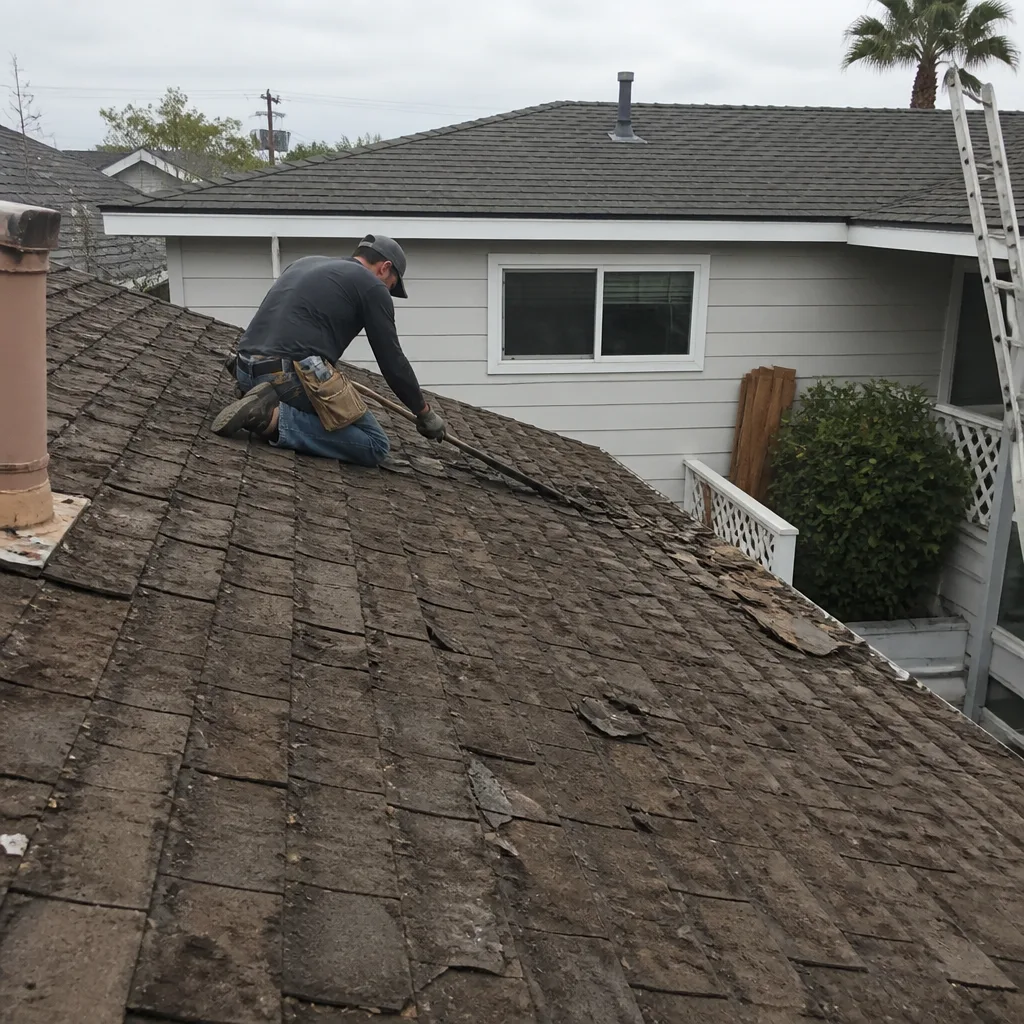 Before
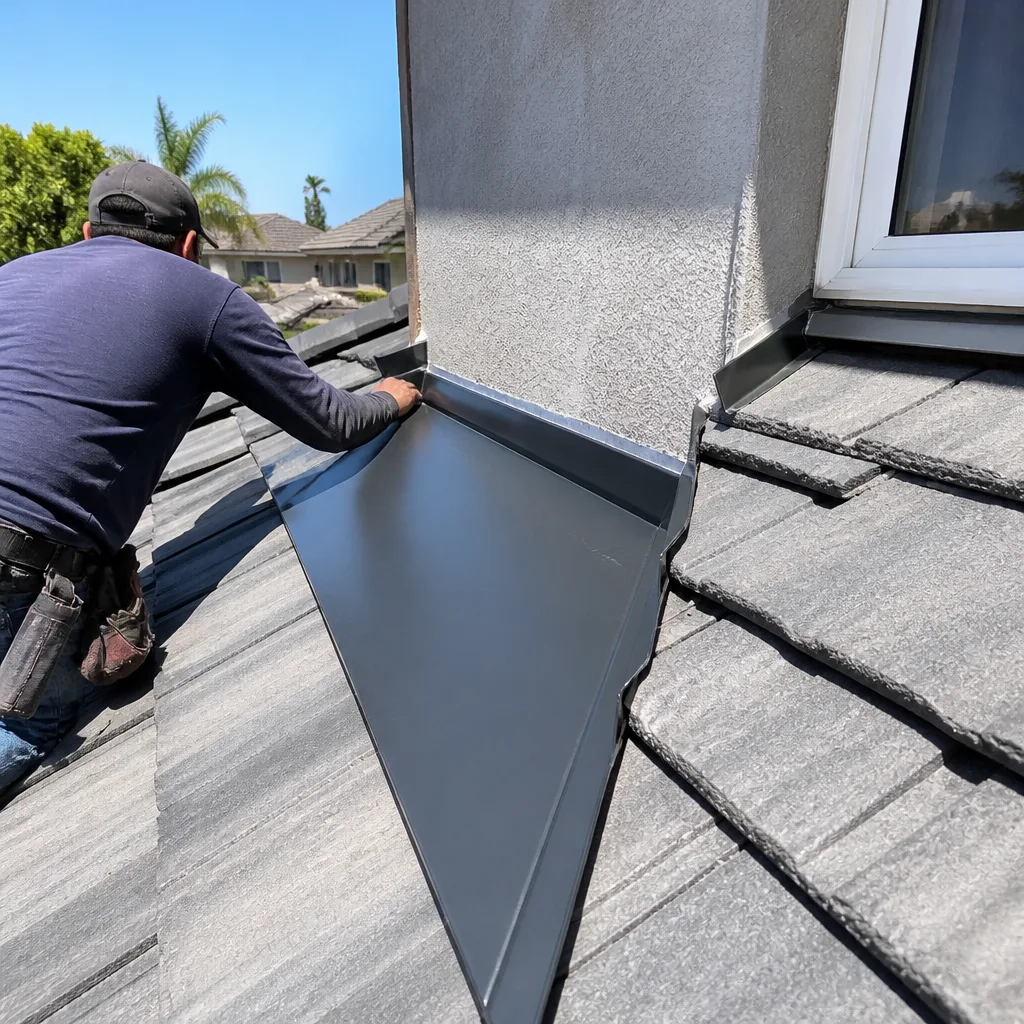 After
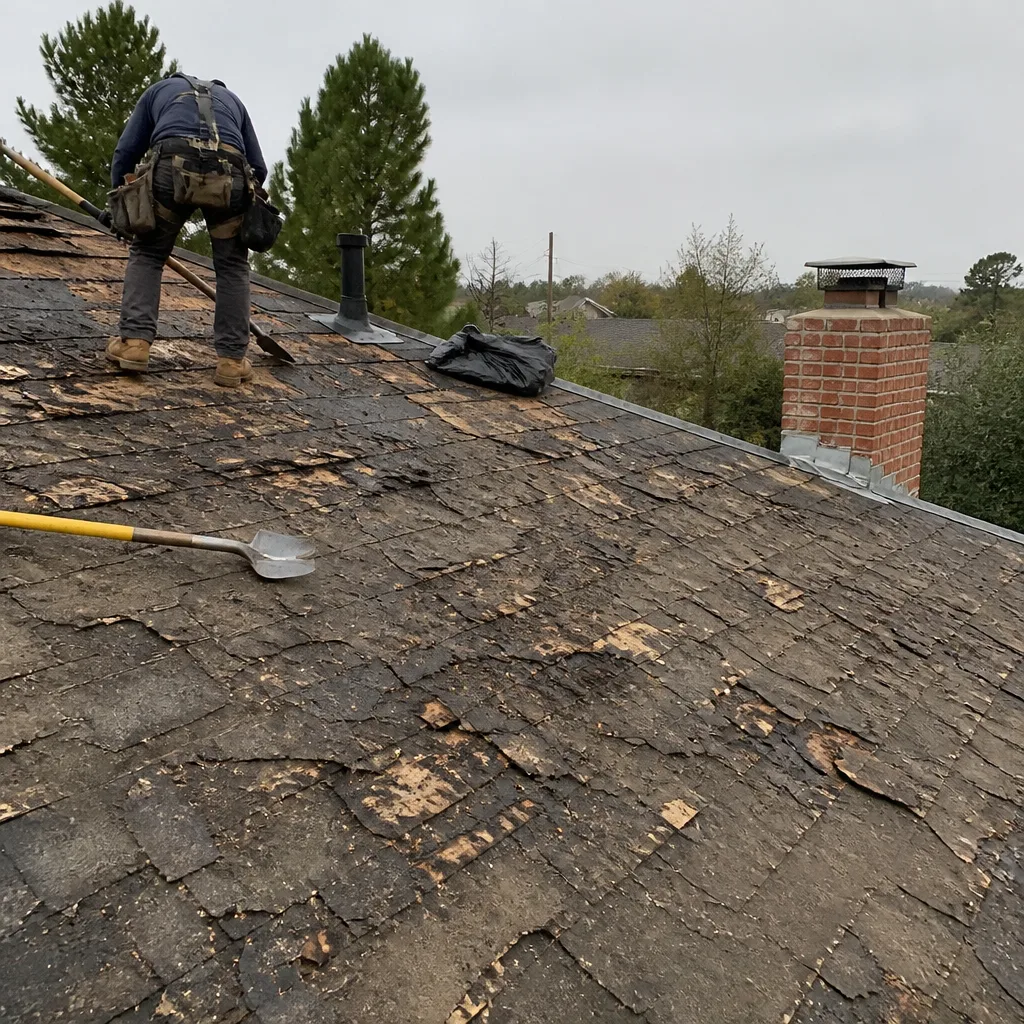 Before
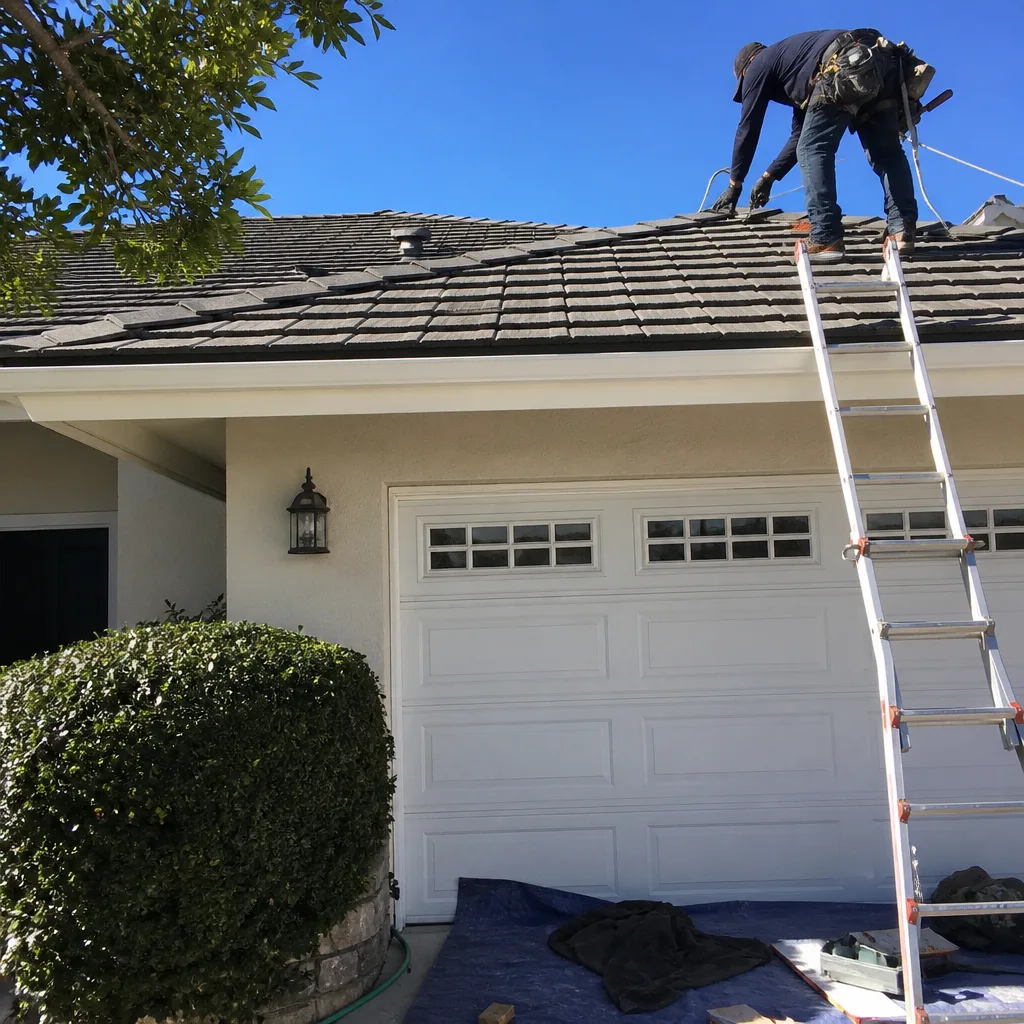 After
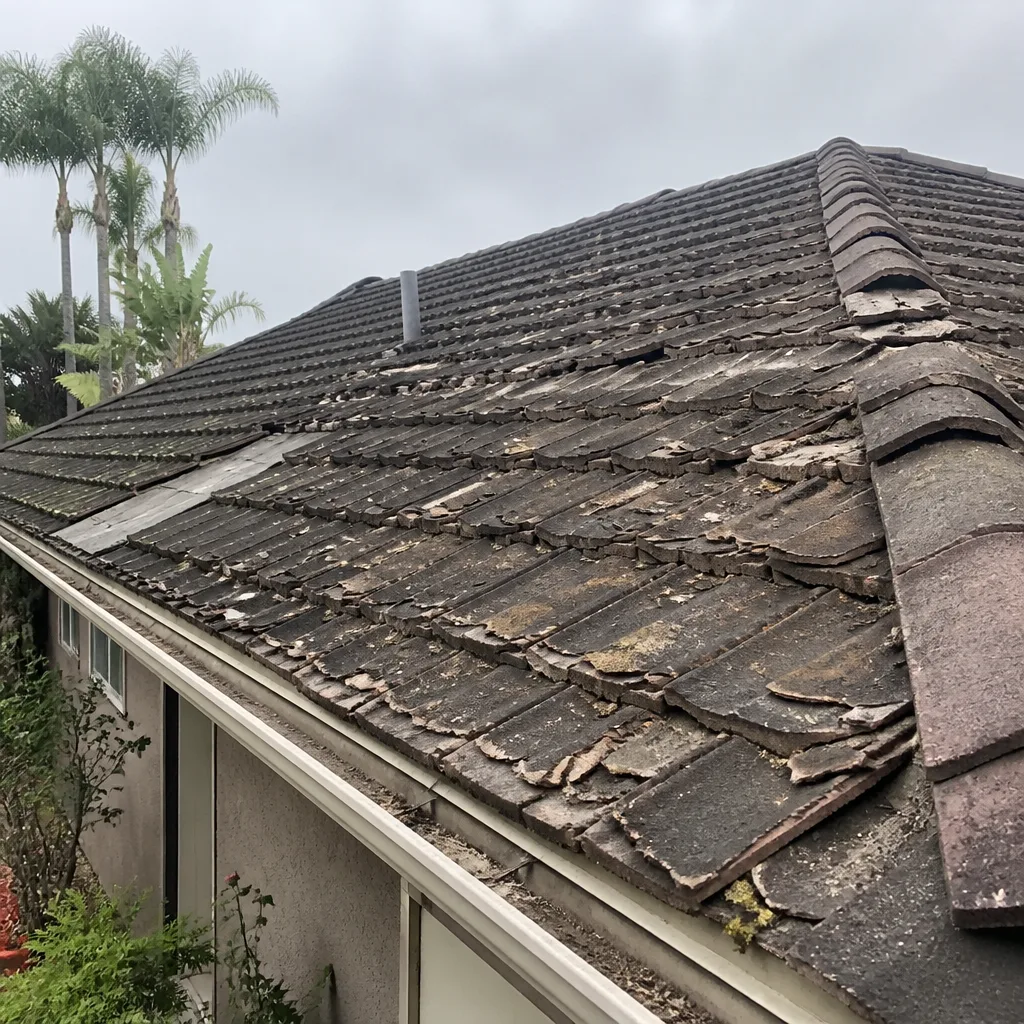 Before
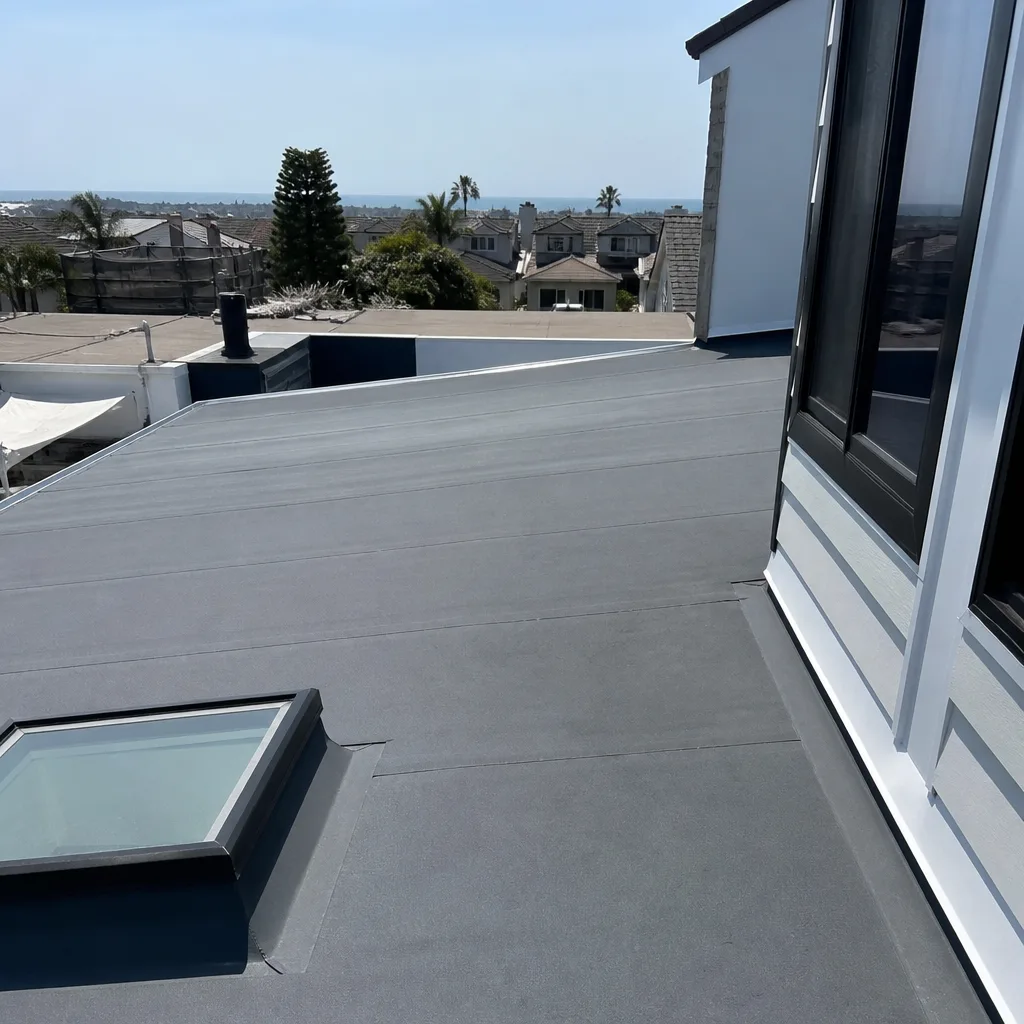 After